
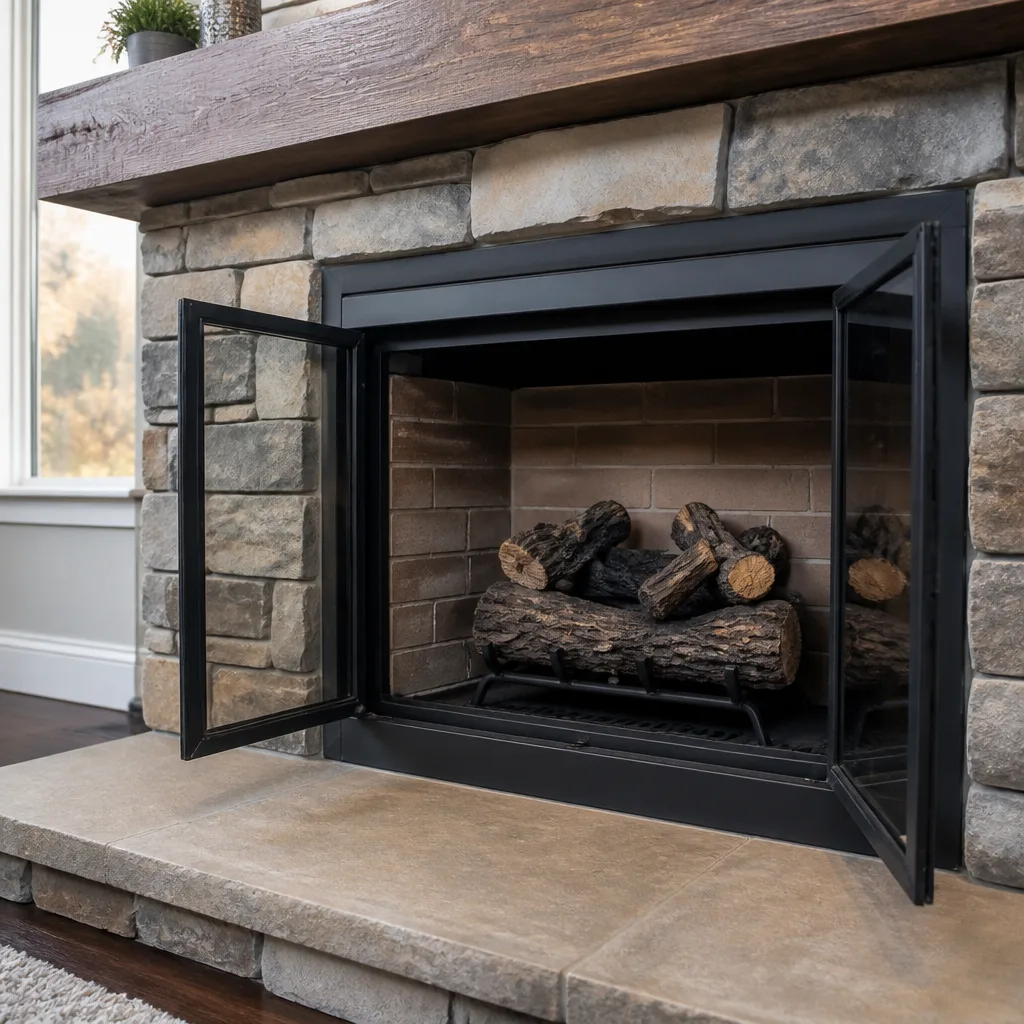
 Gas fireplace service
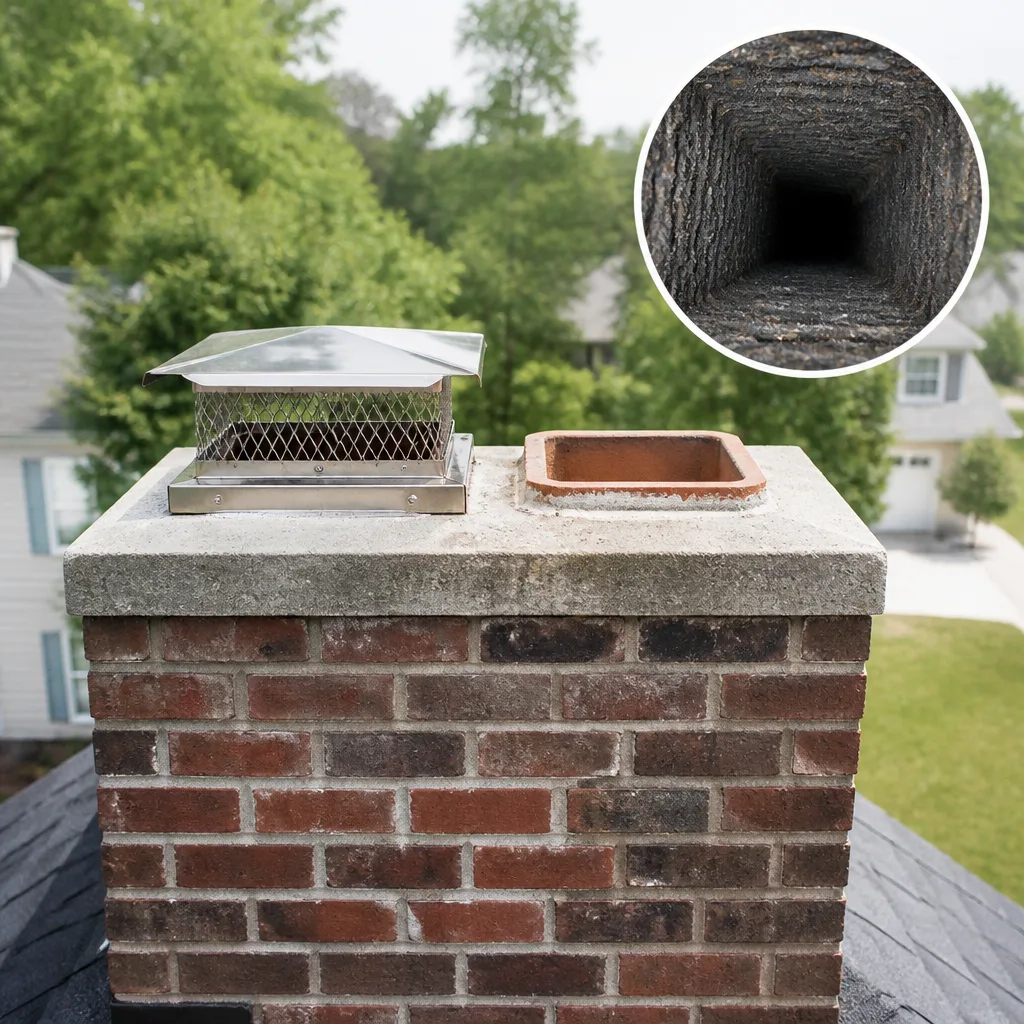 Sweep & inspection
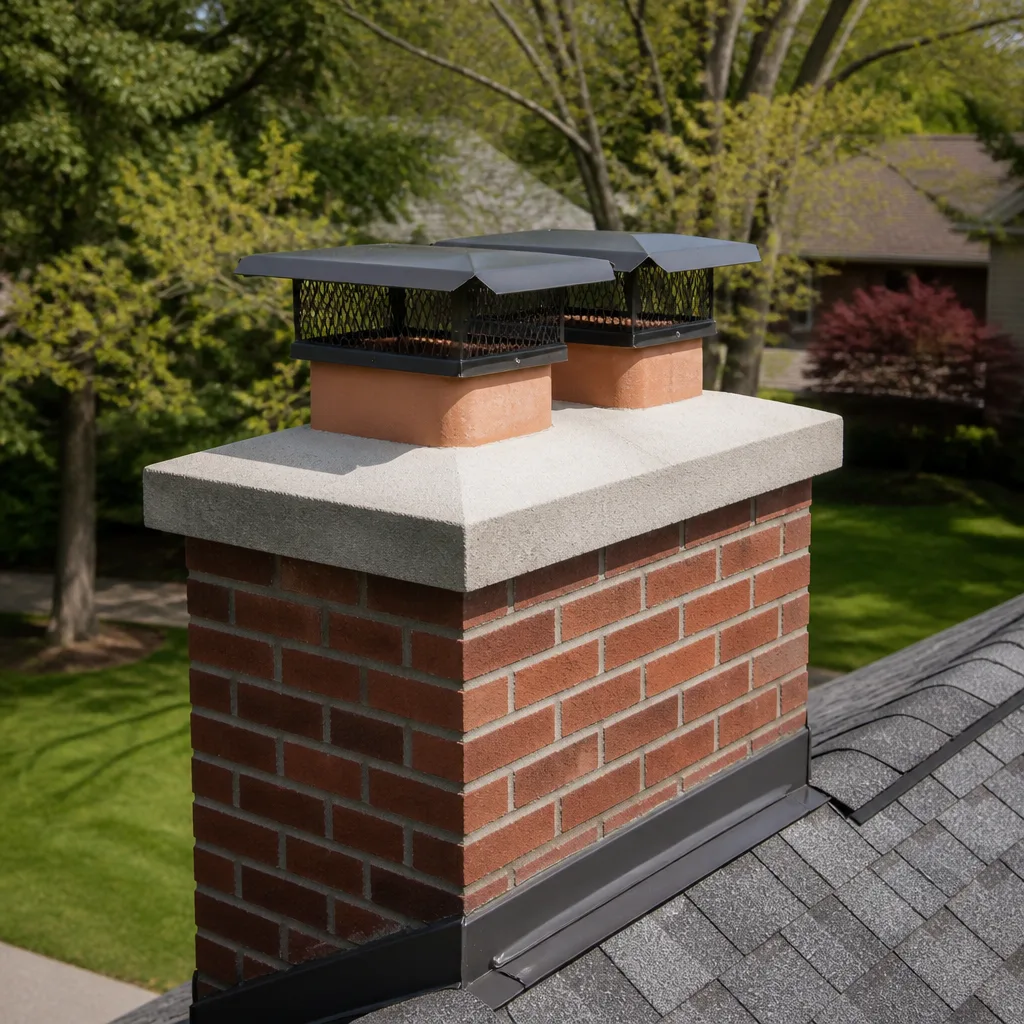 Caps & crowns
 Flue relining
 Masonry repair
Level 1 sweep and inspection to the NFPA 211 annual standard - flue, crown, cap, and flashing checked and photographed
Chimney sweep logs do not sweep chimneys. They loosen some creosote - which then falls where a brush and vacuum still have to collect it.
Why North Buffalo Homeowners Choose HeatShield Chimney Cleaning
We provide independent HeatShield chimney cleaning service in North Buffalo, and what sets our work apart is that we treat HeatShield as a liner system to be inspected and maintained, not a brand name to sell against. That means we check the liner itself, the Thermix insulation behind it, and the top-plate seal at the crown instead of simply declaring the flue “good to go.” We’re an independent service provider. We’re not affiliated with or authorized by HeatShield, and we don’t pretend otherwise.
HeatShield is a relining system, and homeowners across North Buffalo live with it every heating season, whether or not they know the name of it. Our technicians have up to 13 years of experience reading what these liners are telling them. Call (877) 523-6169. We answer 24/7. Fast dispatch from 7am to 7pm, Sunday through Friday.
Why Trust Chimney Sweep North Buffalo for Your HeatShield Chimney Cleaning?
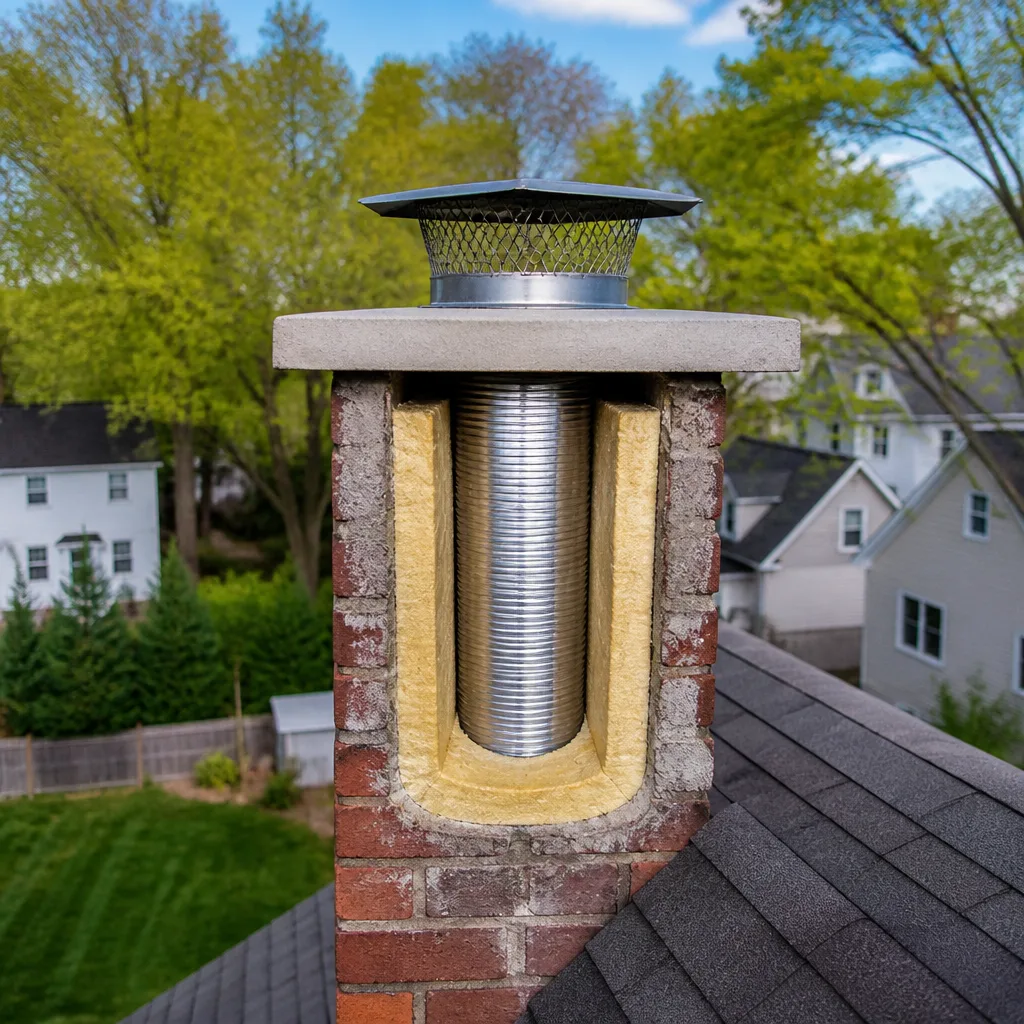
HeatShield is a cast-in-place system, which changes how a sweep has to approach it. A CeCure sleeve is bonded to the original masonry, so a technician who doesn’t know the product can do real damage with the wrong brush or by probing a joint that should be left alone. Our technicians know the difference between the sleeve, the Thermix backfill behind it, and the surrounding tile, and they work each one differently.
Parts matter here too. HeatShield is proprietary, so the only correct materials for the sleeve itself are genuine HeatShield Resurfacer, Thermix mix, and CeCure materials, and those come from a licensed HeatShield dealer. For the parts around the liner, quality aftermarket components are perfectly fine. We’re careful about which is which, because mixing them up is how a good liner gets ruined.
Warranty-safe practice is the third piece. We document what we find with photos and a written report, we don’t recommend anything the camera evidence doesn’t support, and we say plainly when a repair can wait. That protects your HeatShield installation and it protects you from paying for a reline you don’t need.
Styles & brands we work with
- Sweep & inspection
- Caps & crowns
- Flue relining
- Masonry repair
- Gas fireplace service
Common HeatShield Chimney Cleaning Problems We Fix in North Buffalo
Buffalo’s lake-effect snow and deep freeze-thaw cycles put particular stress on HeatShield terminations from November through March. These are the failures we run into most across North Buffalo.
- Top-plate seal failures. The stainless plate at the crown pulls free from its sealant over time, especially when ice works its way under the edge. Once that seal opens, rain runs straight down the annular space between the CeCure sleeve and the original flue tile. Homeowners usually notice it as water staining at the smoke chamber after a heavy rain, months after the seal actually let go.
- CeCure sleeve cracking or spalling near the top. The section of sleeve closest to the crown takes the worst of the freeze-thaw cycling, and that’s exactly where it cracks. Moisture gets behind the sleeve, and by the time it shows up as staining or flakes on the firebox, it’s been working its way through for a while.
- Thermix insulation voids. Thermix backfill that didn’t completely fill the space around the sleeve leaves uninsulated sections. Those sections heat unevenly, which stresses the surrounding masonry tiles and can crack them. It also shows up as poor draft on cold starts, when the flue can’t hold heat the way it should.
- Undersized or missing caps over the termination. A CeCure termination that sits under a cap that’s too small, or no cap at all, is open to downdraft and driving rain. Creosote collects at the very top of the flue, right where a sweeping brush reaches least effectively. That’s a fire-risk spot that gets missed on a quick sweep.
- Staining and flaking on the firebox. Rust streaks or flaking refractory on the firebox often trace back to moisture coming from above rather than a problem in the firebox itself. Resurfacing the firebox without fixing the water source just means doing it again next season.
HeatShield Parts & Our Repair-vs-Replace Approach
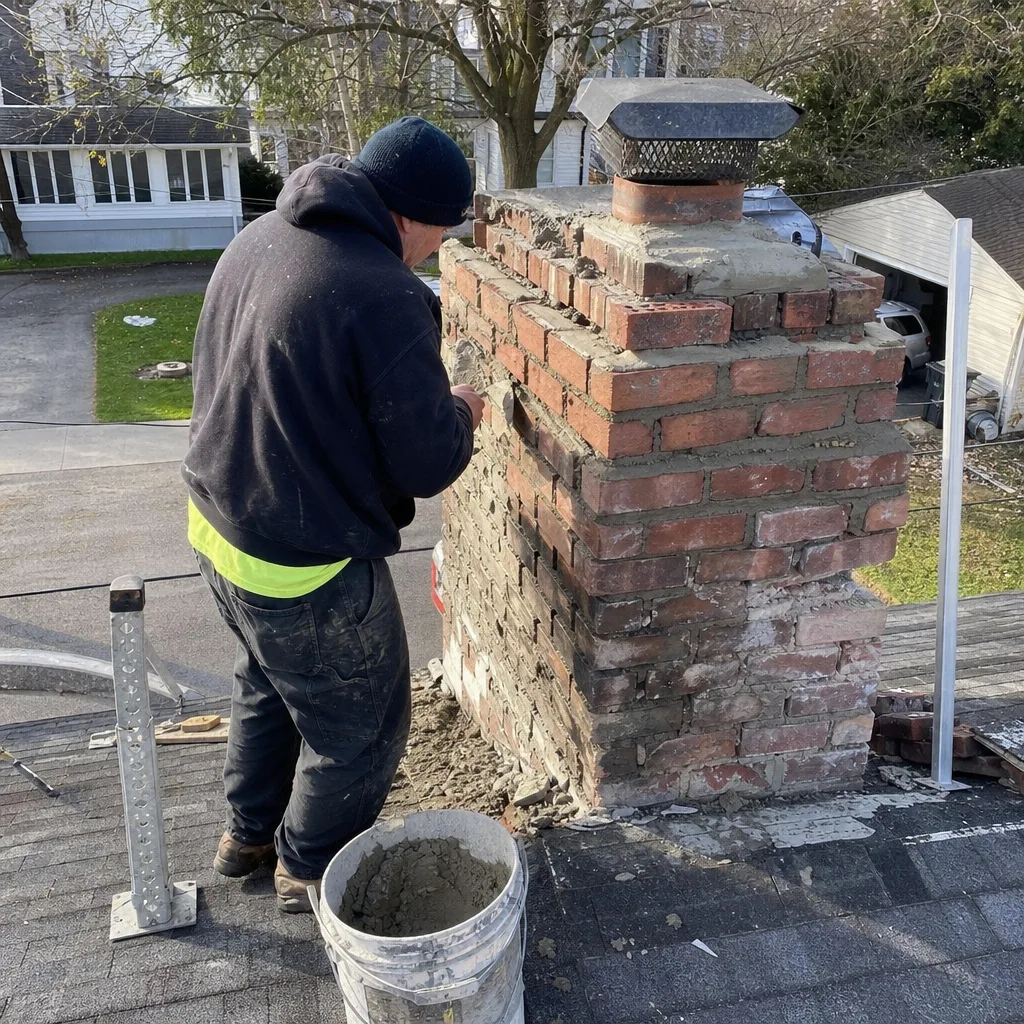
Most HeatShield flues we look at in North Buffalo don’t need a new liner. They need a top seal, a properly sized cap, or a crown rebuilt. That’s the honest call, and because we’re independent, we have no reason to say otherwise. A contractor who makes their money on relines will tell you the liner is shot. We’d rather show you the photos and let you see the actual condition.
When genuine HeatShield materials are needed for the sleeve, we source them through a licensed HeatShield dealer. For caps, dampers, crowns, and flashing, we use quality components from lines like Gelco and Olympia Chimney. Those are durable parts built for the job, not hardware-store substitutes. When a sleeve has failed structurally and can’t be safely repaired, we’ll tell you that too, and lay out what relining with a DuraFlex flexible liner would involve. Call (877) 523-6169 for a free estimate and an honest read on which category your flue falls into.
Our HeatShield Service Process – Step by Step
- 1
Diagnosis. We start with a Level 2 inspection of the HeatShield system: the CeCure sleeve, the Thermix coverage behind it, the top plate and crown seal, and the cap. A camera run shows us cracking, voids, and moisture intrusion the eye won’t catch from the firebox. You see the images we see.
- 2
Repair or install. If it’s a top-seal or crown issue, we reseal, rebuild, or coat as needed and fit a correctly sized cap on the termination. If the sleeve itself has failed, we explain the options and the limits of repair before anything is ordered.
- 3
Test. We check draft and confirm the flue is pulling properly, especially on cold starts, and verify no moisture path remains above the termination.
- 4
Documentation. You get a photo report and a written record of what was done and what to watch for. That record matters if a warranty question ever comes up.
See the difference
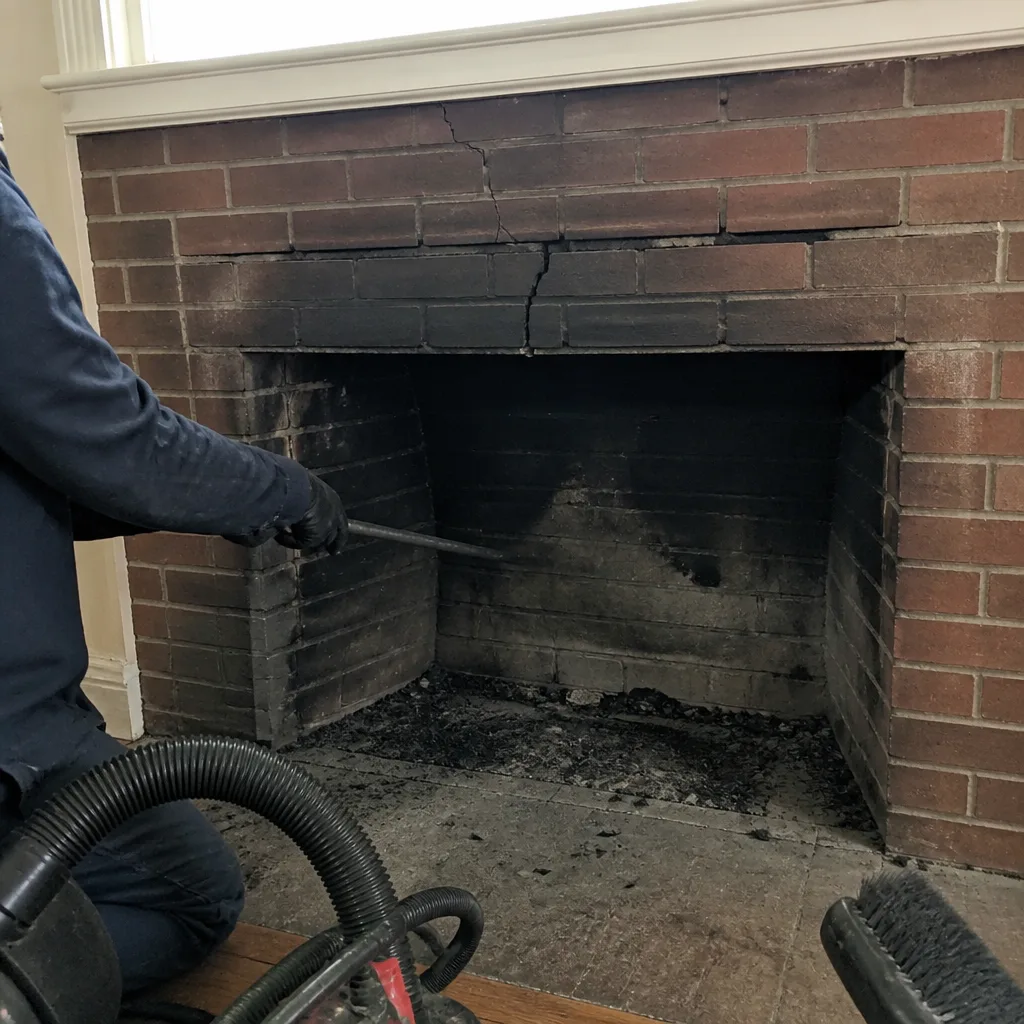 Before
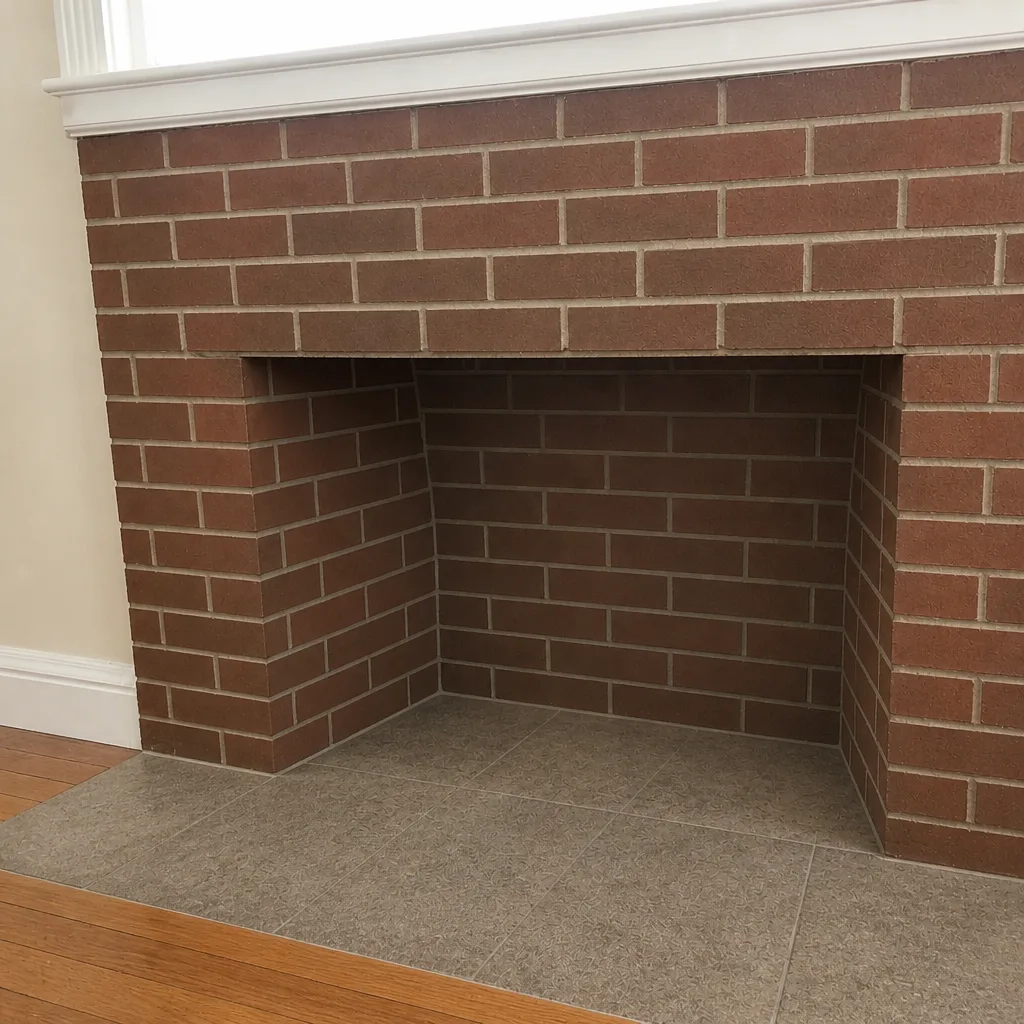 After
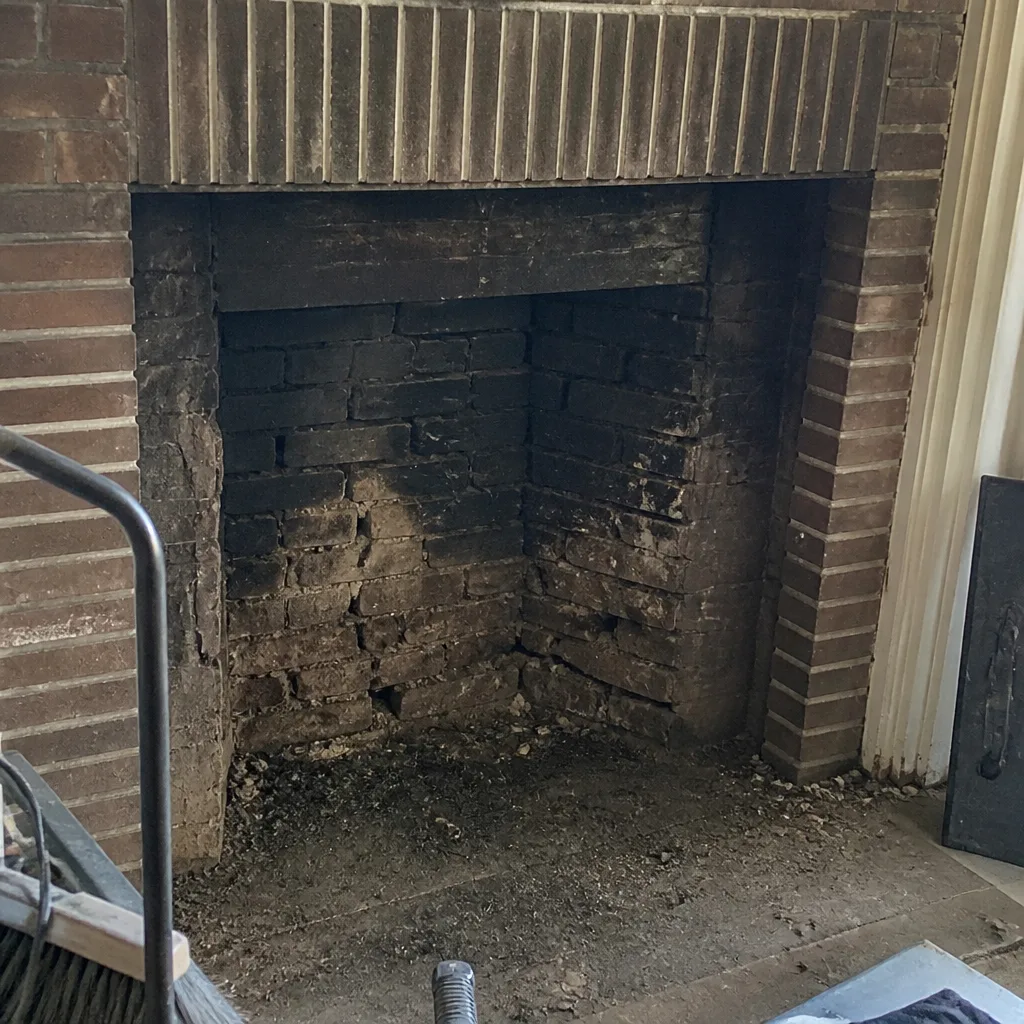 Before
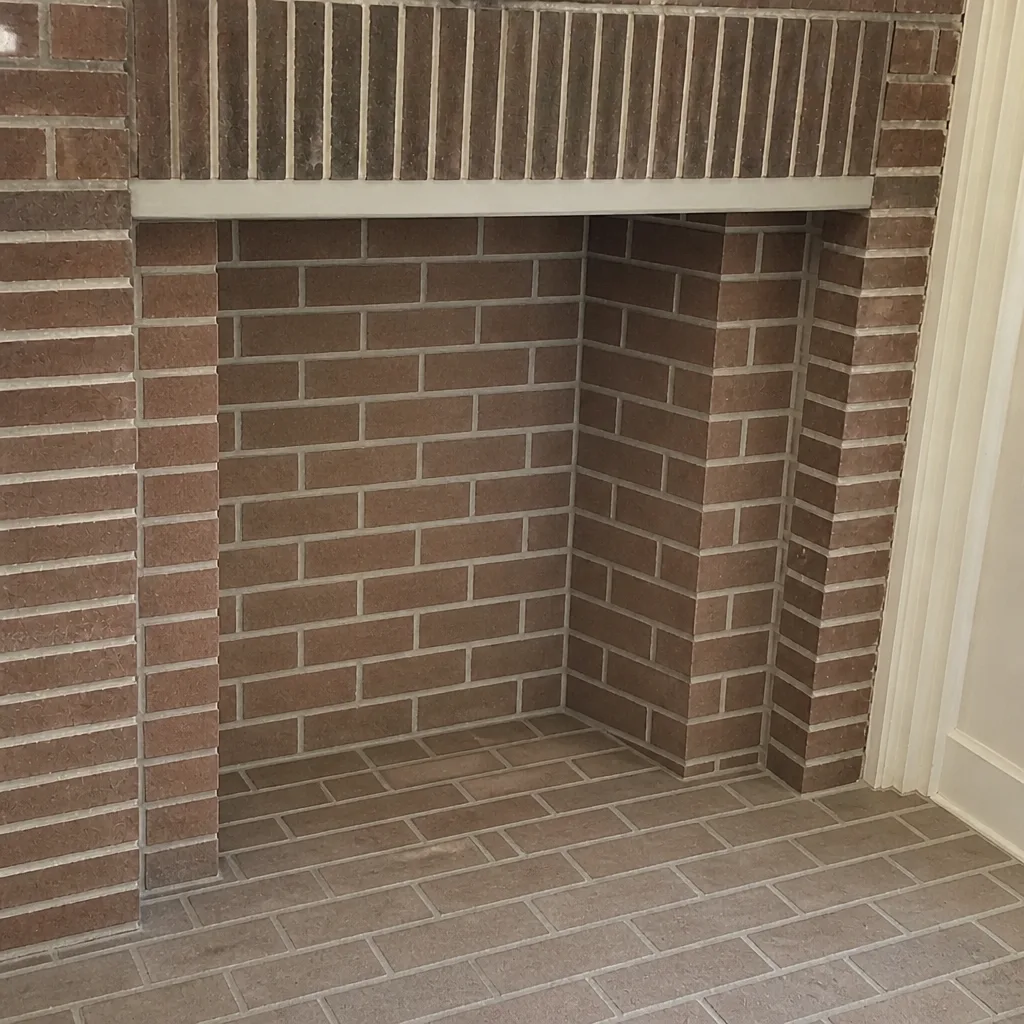 After
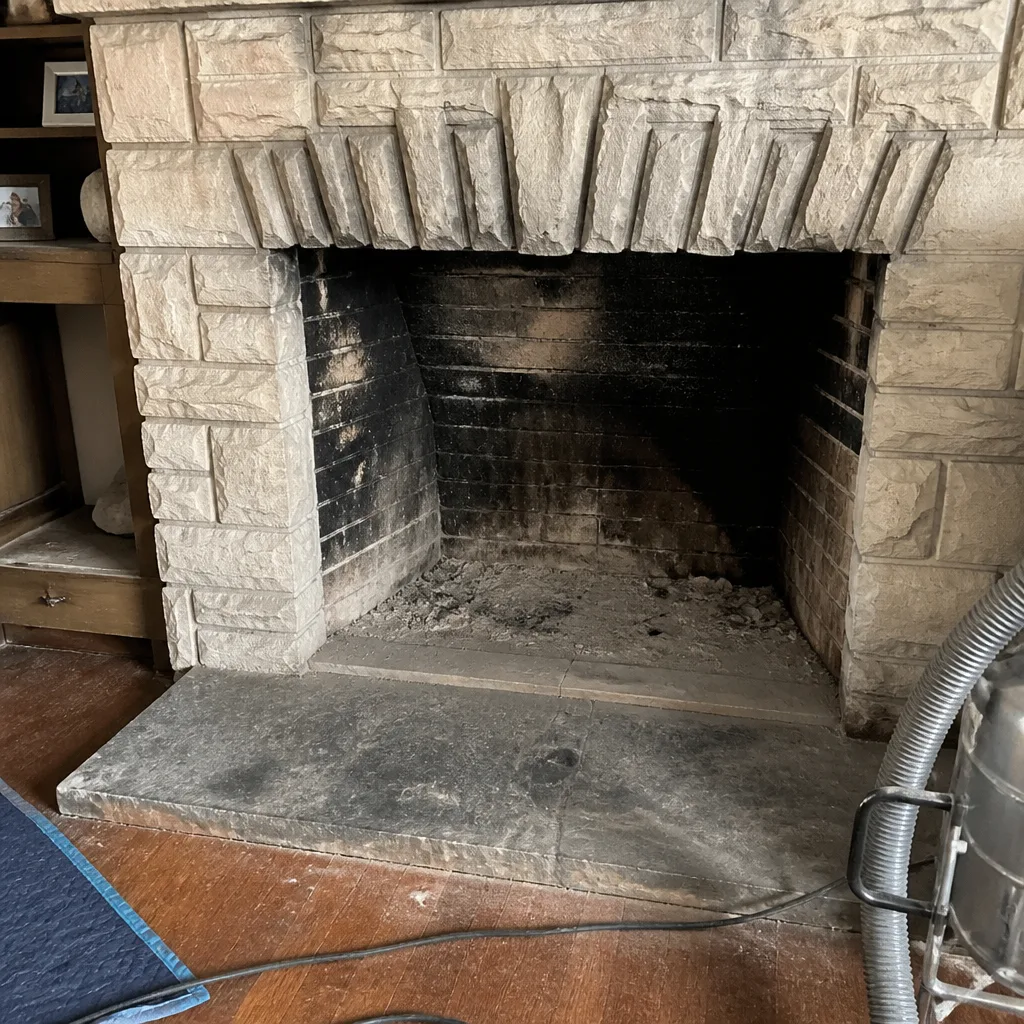 Before
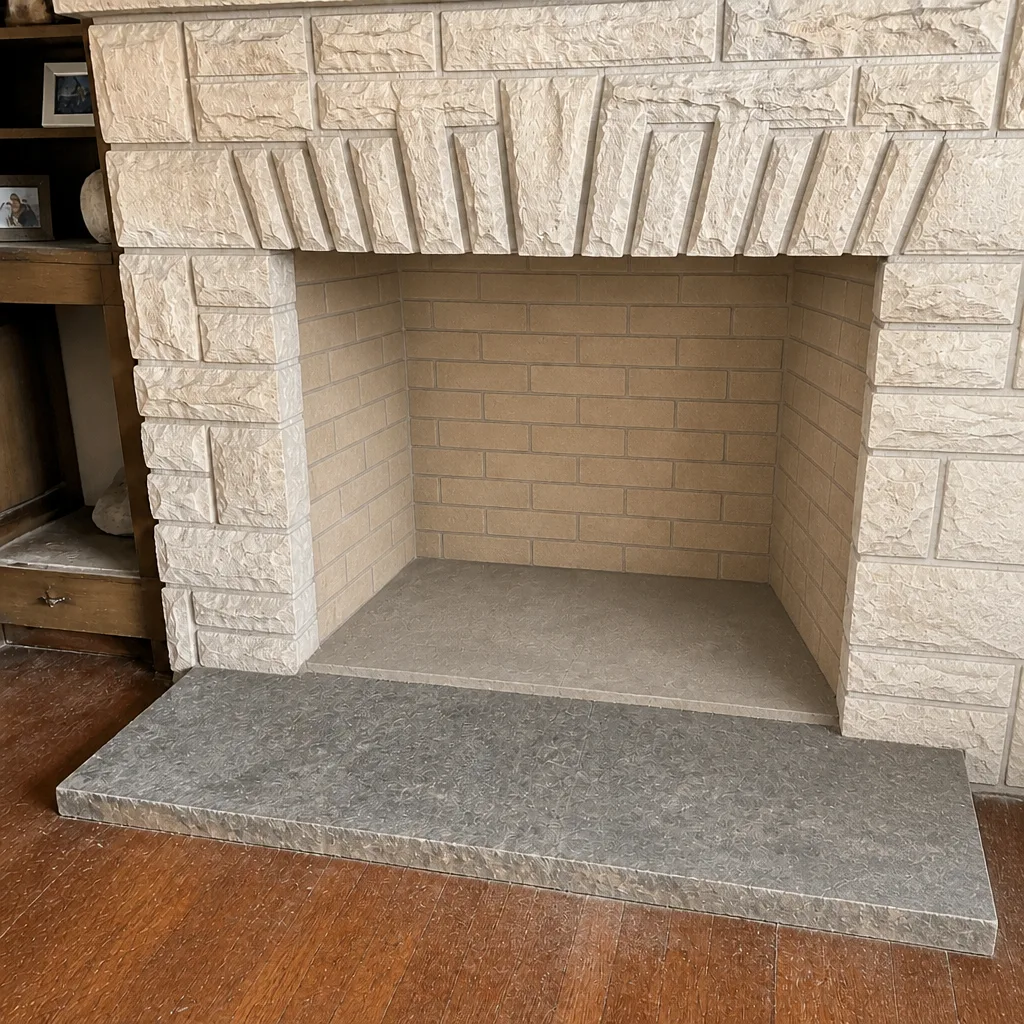 After
HeatShield Products We Service & Install in North Buffalo
We work with the HeatShield system as a whole, which means the components that make it function as a liner. That includes the CeCure cast-in-place sleeve in masonry flues, the Thermix insulating mix used with it, and the stainless top plate and crown-seal assemblies at the termination. On the firebox and smoke chamber side, we work with HeatShield Resurfacer and refractory mortar to restore surfaces that have spalled or flaked. We don’t publish a parts catalog or claim to stock HeatShield materials. What we do is inspect, clean, repair, and service these systems in North Buffalo homes, and source the right materials when a job calls for them.
We Also Service These Brands
HeatShield isn’t the only liner system in North Buffalo, and we don’t treat it as the only answer. We also work with DuraFlex flexible liner systems, which are often the right fit when a flue’s shape or condition won’t take a cast-in-place sleeve, and with Gelco products for caps and crown work. That range means we can match the fix to the flue rather than the other way around.
FAQs – HeatShield Chimney Cleaning Service in North Buffalo
No. We’re an independent service provider, not a HeatShield dealer and not authorized or affiliated with the manufacturer. We service and repair HeatShield systems, and we source genuine materials through a licensed HeatShield dealer when a job requires them.
Yes, with a clear split. For the sleeve itself, only genuine HeatShield Resurfacer, Thermix mix, and CeCure materials are correct, since generic refractory mortar is not interchangeable. For the surrounding parts like caps, crowns, dampers, and flashing, quality aftermarket components from lines like Gelco and Olympia Chimney work well and hold up through Buffalo winters.
A sweep and Level 2 inspection on a HeatShield flue usually takes a couple of hours, since we’re checking the sleeve, the insulation, and the top-plate seal along with the standard cleaning. A top-seal repair or cap installation is often done the same visit. Crown rebuilding takes longer because the material needs to cure properly, and we’ll give you a realistic timeline in the written estimate rather than guessing on the phone.
We cover the CeCure cast-in-place sleeve and the Thermix insulating mix used with it, the stainless top plate and crown-seal assemblies at the termination, and HeatShield Resurfacer and refractory mortar for firebox and smoke-chamber work. If you’re not sure which system is in your chimney, an inspection will tell you.
Proper service shouldn’t void it, and that’s exactly why we document everything with photos and a written report. What does put a liner at risk is work done with the wrong materials, like generic mortar packed against a CeCure sleeve, or a repair that skips the actual water source. We stick to the correct materials for the sleeve and keep a record of what was done.
A HeatShield sweep with a Level 2 inspection typically runs in the range of a standard sweep plus the extra inspection time, and we set the exact price per job in a written estimate before we book. Resealing a top plate or fitting a cap is usually a modest addition. A crown rebuild costs more because of the materials and curing time. Call (877) 523-6169 for an exact quote. Estimates are free.
Yes. A CeCure sleeve gives you a smooth, sealed flue surface, but creosote and soot still build up on it with every fire, and the top of the flue under the cap is where it collects worst. Annual sweeping keeps that buildup from becoming a fire risk. Call (877) 523-6169 to book a sweep.
Water staining at the smoke chamber after heavy rain, rusty streaks on the firebox, or visible gaps and lifted sealant where the stainless plate meets the crown are the usual signs. The plate can look fine from the ground and still be letting water past the seal. An inspection from the top confirms it. Call (877) 523-6169 for a free estimate.
Sometimes it can be repaired, sometimes it can’t, and the difference is where the crack sits and how much of the sleeve is affected. Cracking near the top from freeze-thaw is more often addressable than a sleeve that’s failed through its length. A camera inspection tells us which situation you’re in. Call (877) 523-6169 to schedule one.
Poor cold-start draft usually points to Thermix voids leaving uninsulated sections, or a termination that’s undersized or missing a proper cap. The flue can’t hold heat the way a fully insulated one does, so it struggles to establish draft. An inspection confirms whether that’s the cause. Call (877) 523-6169 for a free estimate.
It depends on the appliance and the liner’s size and condition, and it’s not something to assume. A new insert or a gas conversion changes the venting requirements, and the existing sleeve has to be checked against them. We assess the liner and the appliance together before anyone commits. Call (877) 523-6169 to talk it through.
Book Your HeatShield Service in North Buffalo, NY
If you’ve got a HeatShield liner and you’re not sure of its condition, an inspection settles it. We’ll show you what we find, tell you honestly whether a repair can wait, and set the price in writing before we book. Call (877) 523-6169 for a free estimate. We answer 24/7. Fast dispatch from 7am to 7pm, Sunday through Friday.
Written by the team at Chimney Sweep North Buffalo.