
Last updated November 25, 2026
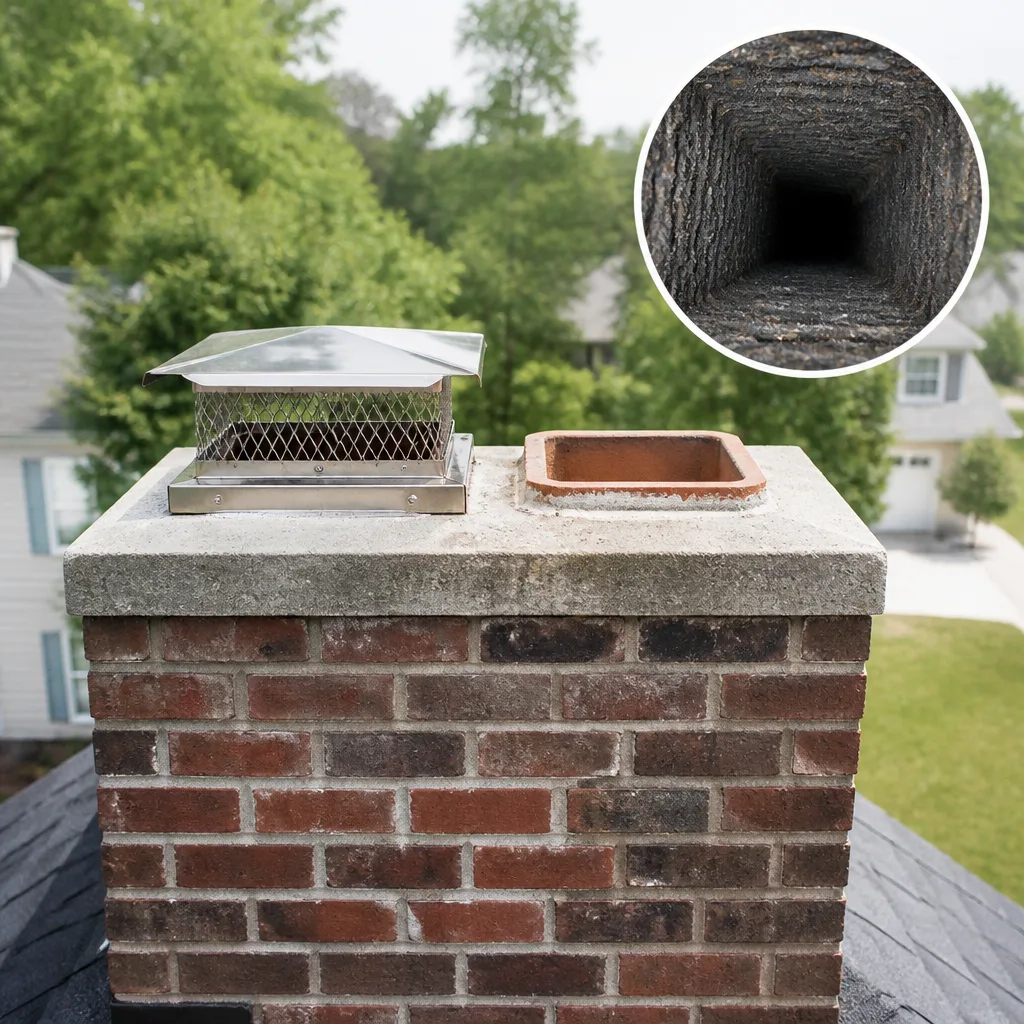 Sweep & inspection
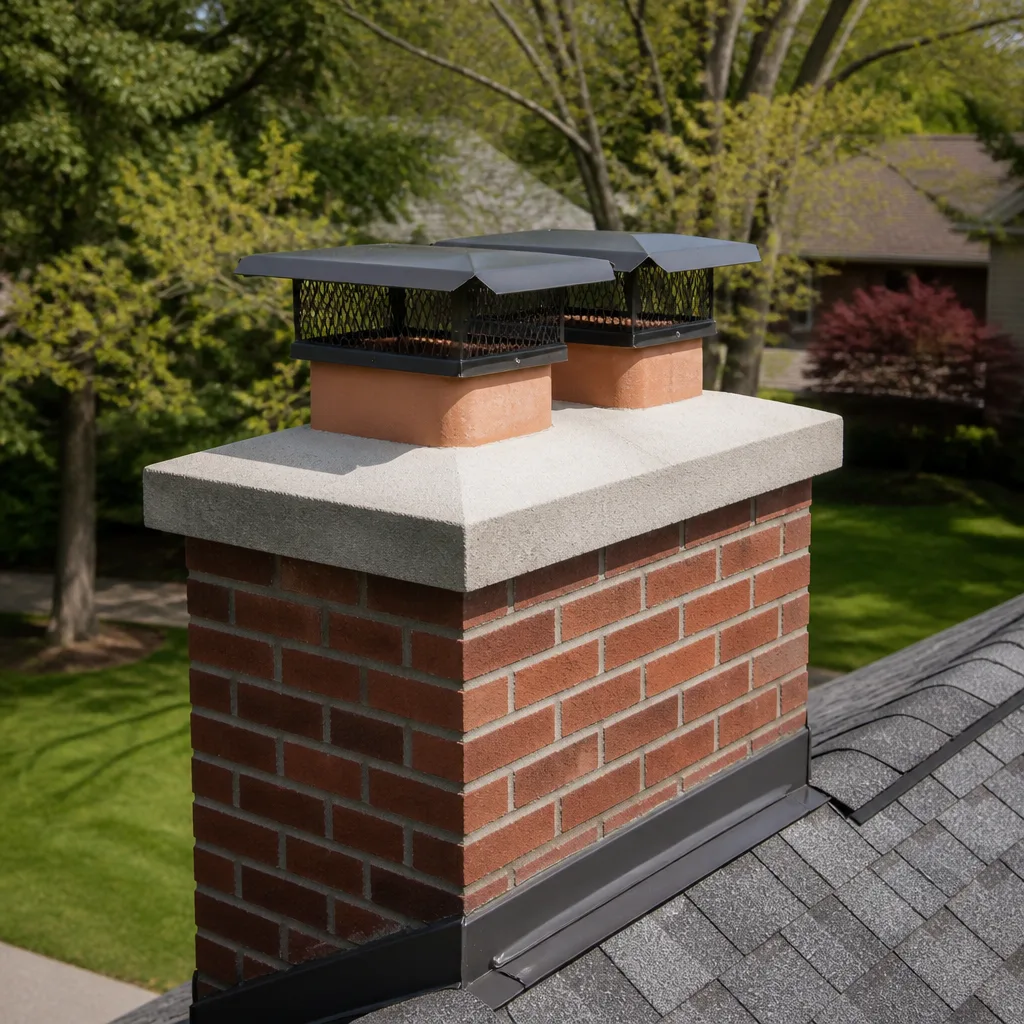 Caps & crowns
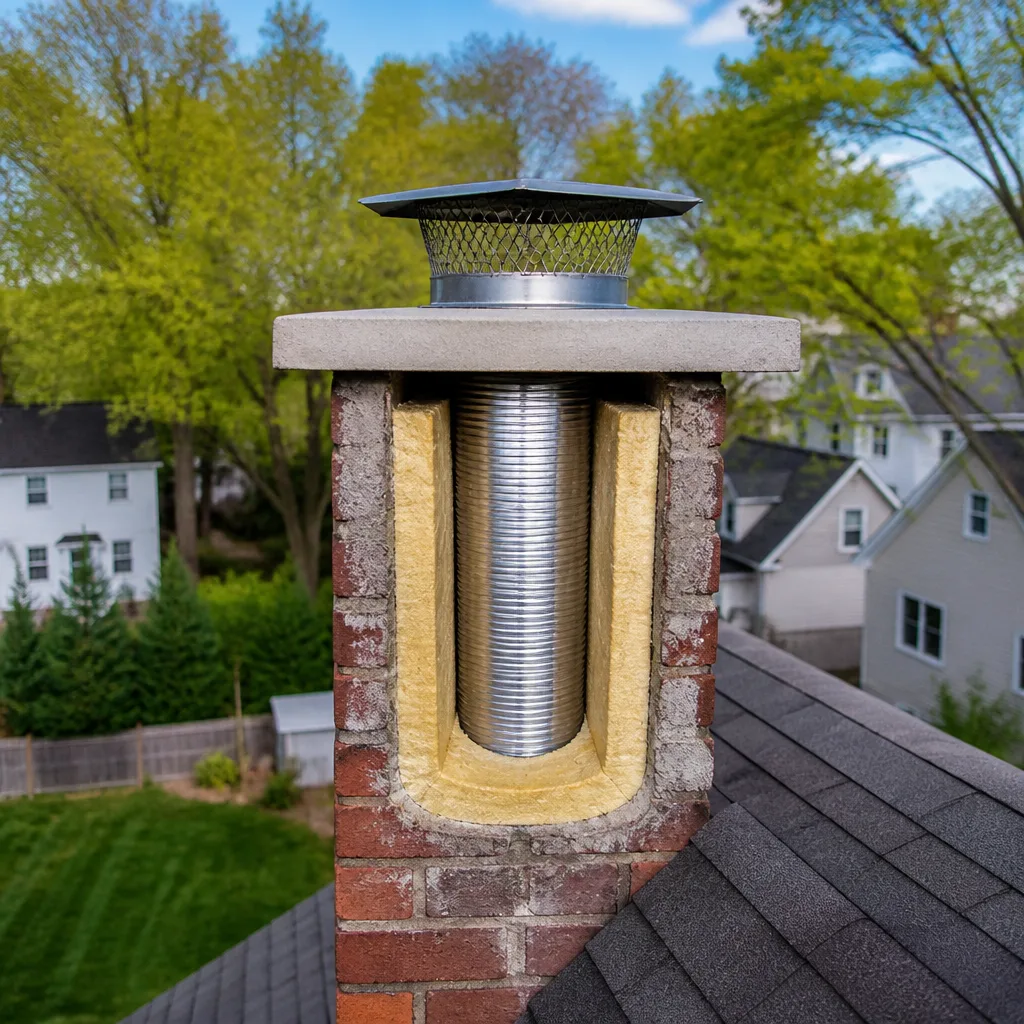 Flue relining
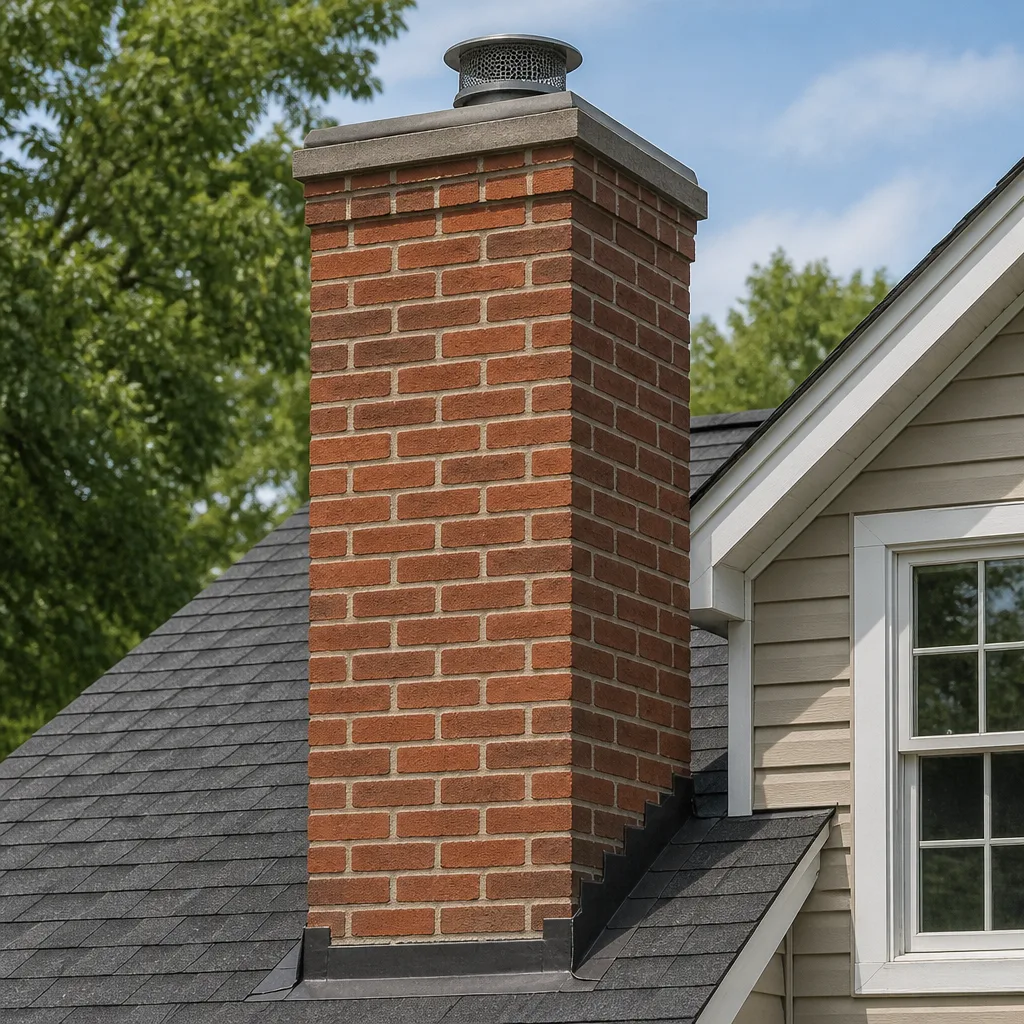 Masonry repair
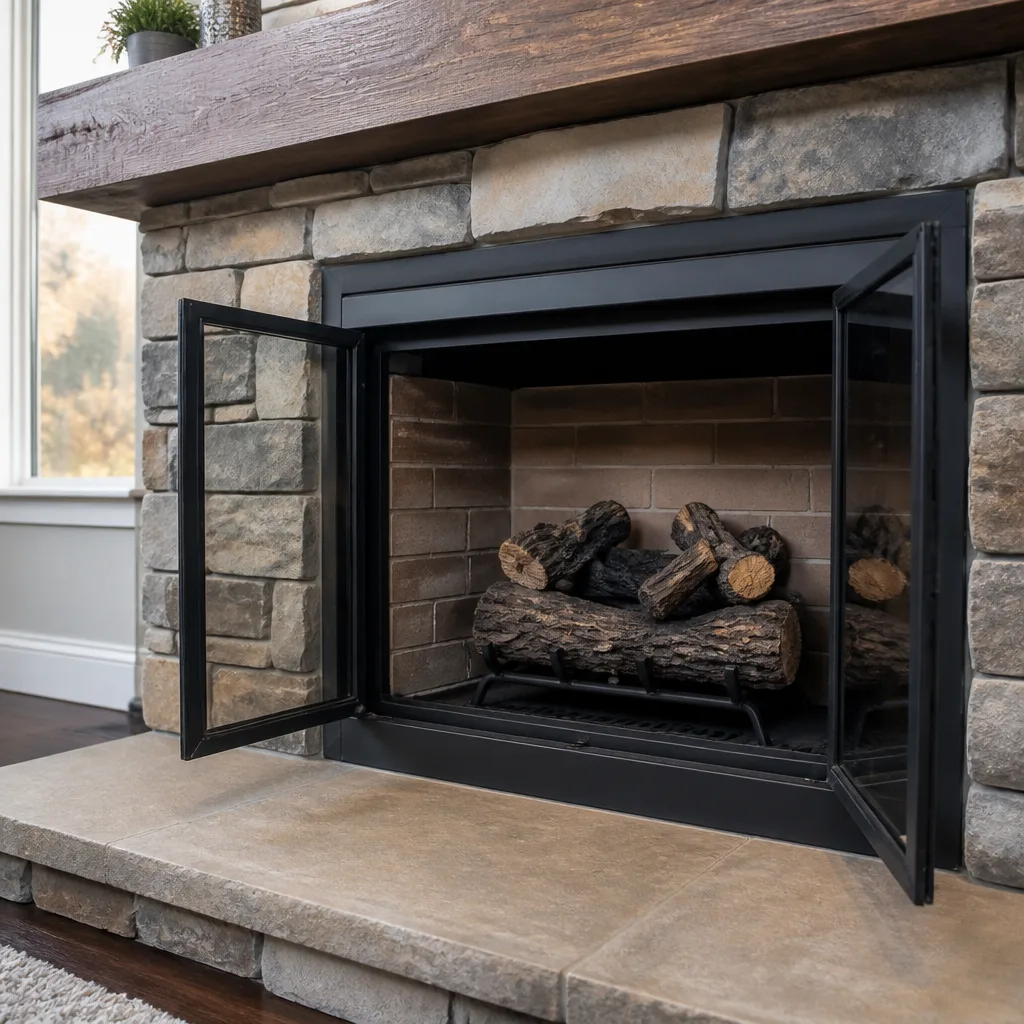 Gas fireplace service
Level 1 sweep and inspection to the NFPA 211 annual standard - flue, crown, cap, and flashing checked and photographed
Chimney sweep logs do not sweep chimneys. They loosen some creosote - which then falls where a brush and vacuum still have to collect it.
Chimney Cleaning Warning Signs: A North Buffalo Homeowner’s Reference Guide
A white stain on the outside of your chimney isn’t cosmetic. It’s the brick telling you water is moving through the masonry, and by the time that stain is visible from the ground, the damage behind the surface is already well underway. Most chimney problems announce themselves clearly before they become dangerous. The trouble is that most homeowners don’t know the vocabulary of what they’re seeing, so they wait, or they write it off as normal. This reference guide translates the visual and functional warning signs of chimney deterioration into plain language. By the end, you’ll know what a musty smell between fires actually means, why fallen flue tile is a stop-use condition, and which exterior signs in North Buffalo are the ones people ignore until they become structural.
Quick Answer
The main chimney cleaning warning signs are: a strong creosote smell between uses, smoke that backdrafts or spills into the room, visible sooty drips around the damper, fallen pieces of flue tile in the firebox, and exterior masonry problems like white staining, cracked crowns, or loose bricks. Any one of these is a reason to stop burning and get the flue inspected. Fallen tile and heavy creosote buildup are urgent; a stained exterior is a scheduling matter but shouldn’t wait a full season.
Styles & brands we work with
- Sweep & inspection
- Caps & crowns
- Flue relining
- Masonry repair
- Gas fireplace service
Table of Contents
- The Vocabulary of Chimney Trouble: What You’re Actually Looking At
- Backdrafting vs. Smoke Spillage: Two Symptoms, Two Different Fixes
- What a Persistent Smell Between Fires Tells You
- Fallen Flue Tile in the Firebox: A Stop-Use Condition
- Exterior Masonry Warning Signs Visible From the Ground
- Creosote Drips Around the Damper: Why This Should Never Happen
- Why North Buffalo’s Cold Season Makes These Signs More Urgent
- Sorting the Signs by Severity: When to Call, When to Wait
The Vocabulary of Chimney Trouble: What You’re Actually Looking At
Chimney problems have a language, and learning a handful of words makes you a far harder person to mislead. When a technician tells you the flue is “spalling” or the crown is “failing,” they’re describing specific physical conditions with specific causes. Knowing what those words mean lets you ask better questions and verify what you’re being told.
The core pieces of a chimney are simple. The flue is the vertical passage the smoke travels through. The liner is the protective layer inside the flue, historically clay tile joined with mortar. The crown is the concrete cap at the very top that sheds water away from the masonry. The damper is the metal plate above the firebox that controls airflow. The smoke chamber is the sloped transition between the firebox and the flue. Every warning sign in this guide points back to one of those components.
Two terms come up constantly in our work around North Buffalo, and they’re worth knowing precisely:
- Creosote is the residue left behind by wood smoke. It starts as a light soot, progresses to a flaky crust, and at its worst stage becomes a glazed, tar-like coating that clings to the liner. The glazed stage is the one that fuels chimney fires.
- Efflorescence is that white, chalky staining on exterior brick. It’s the visible evidence that water is passing through the masonry and depositing mineral salts on the surface as it evaporates.
Here’s the part people miss: a sign you can see is evidence of a process you can’t see. The white stain is the end product of water that’s been migrating through the brick for a while. The creosote smell is the visible tip of a buildup that continues up the flue. That’s why we always inspect before recommending anything. The sign tells us where to look; the inspection with a camera tells us how far the problem actually goes.
If you want to understand what a proper assessment covers, our page on a chimney sweep walks through how the process works from the firebox up.
Backdrafting vs. Smoke Spillage: Two Symptoms, Two Different Fixes
Smoke entering the room is not one problem. It’s at least two, and they point to completely different fixes. Homeowners often lump them together as “my chimney doesn’t work,” but a technician needs to know which one you’re seeing, because addressing a draft problem as if it were a blockage wastes money and doesn’t solve anything.
Smoke spillage is a blockage problem. The flue has something in it that the smoke has to travel around or fight through: a heavy creosote load, a bird nest, a collapsed tile, a leaf mass from the fall. The smoke comes out the wrong place because there’s less than an open path up. Spillage tends to be worse during the beginning of a fire, when the flue is cold and the blockage has the most effect.
Backdrafting is a pressure problem. The flue is clear, but the house is pulling air down the chimney instead of letting it rise out. This happens when the home is under negative pressure relative to the outside: a tightly sealed house, a powerful kitchen exhaust fan running, a bathroom fan, a furnace pulling combustion air from the same space, or simply a chimney that’s too short for the roof line it’s next to. In North Buffalo, where many homes are older and have been sealed up over the years with new windows and insulation, pressure problems are common and easy to misdiagnose.
Here’s how the two typically behave, so you can tell your technician what you’re seeing:
- Describe when it happens. Spillage usually starts as a fire lights and eases as the flue warms. Backdrafting can happen any time and often appears when another exhaust appliance kicks on.
- Note whether it’s worse on windy days. A draft that fights the wind points toward a pressure or height issue rather than a blockage.
- Watch the smell and the smoke together. A spillage problem usually produces smoke and soot in the room. Backdrafting often brings a cold draft and a smoky smell before you even light a fire.
- Check what else is running. If turning off the kitchen fan stops the problem, you’re looking at a pressure issue.
Both are worth a professional assessment, and neither is fixed by opening a window. Getting the diagnosis right is the whole game. On our chimney repair work, we see plenty of both, and the repair for one is nothing like the repair for the other.
What a Persistent Smell Between Fires Tells You
A musty, smoky, or acrid smell coming from a fireplace that hasn’t been used in days is a signal, not a nuisance. It tells you something is sitting in the flue that shouldn’t be, and the character of the smell narrows down what. This is one of the most reported signs in North Buffalo homes, especially in late summer and early fall when the humidity is high and the house is closed up.
A smoky or charred smell between fires usually means creosote. When the humidity rises or the outdoor temperature drops, air movement in the chimney changes, and the flue can push stale creosote air back into the room. A light soot smell is one thing. A sharp, bonfire-like smell coming down the chimney on a humid day points to a heavier load higher up the flue, and that’s the load that matters.
A musty or earthy smell usually means moisture. Water is entering somewhere and the masonry or the flue is staying damp, which is creating the conditions for rot, spalling, and eventually structural damage. Musty smells in a closed-up house in North Buffalo often go hand in hand with the exterior stains described later in this guide.
A sweet or acrid burning smell when there’s no fire lit is worth paying attention to. It can indicate that something other than wood has been in the flue, or that heat is reaching a component it shouldn’t. If you smell this and can’t trace it, get an inspection before you use the fireplace again.
What ties all three smells together: they’re the first clue most homeowners get before anything visible goes wrong. If the smell is persistent, if it’s gotten stronger since last season, or if it’s accompanied by any of the other signs on this list, that’s a yearly sweep pulled forward by a few months. Our guide to Chimney Sweep North Buffalo explains what a proper sweep removes and why a stale smell usually means the removal is overdue.
Fallen Flue Tile in the Firebox: A Stop-Use Condition
If you open the firebox and find a curved, broken piece of clay or terracotta tile on the floor of the fireplace, stop. Don’t light a fire until the flue has been inspected. This is the one sign in this guide that’s not a “schedule it soon” matter; it’s a “don’t burn until it’s checked” matter. Here’s why.
The flue liner in most older homes is built from stacked clay tiles joined with mortar. When a piece of that tile ends up in the firebox, it means the liner above it has lost integrity somewhere: a mortar joint has failed, a tile is cracked, or a section has come loose. Any of those creates a path for heat and combustion gases to escape the flue and reach the surrounding wood framing or the interior of the chimney structure. Those gases include carbon monoxide. And a compromised liner is one of the conditions that lets a chimney fire start inside the chase where nobody sees it.
Here’s how to check for tile debris without climbing anything:
- Look at the firebox floor before you light a fire. Shine a light and look for curved, brick-like fragments, mortar crumbs, or clay-colored shards.
- Look up at the damper and the smoke chamber. If you can see the damper area, look for cracks or loose material around it.
- Note any debris that appears between uses. A shard that shows up after you thought the firebox was clean is more concerning than one that was always there.
The good news: this is exactly the condition a proper inspection is designed to catch. A camera run down the flue shows the tile joints in detail, so you can see the crack for yourself rather than taking someone’s word for it. When resurfacing is the right fix, HeatShield is a system built specifically to restore a deteriorated flue liner without tearing out the whole thing, and when a full relining is needed, DuraFlex flexible systems handle the cases where a rigid liner won’t fit. The point isn’t to sell you a job. The point is that a broken tile has a specific repair, and the repair is determined by what the camera shows, not by the shoe size of whoever inspects.
Exterior Masonry Warning Signs Visible From the Ground
You don’t need binoculars or a ladder to catch some of the most important warning signs. These are visible from the yard, and they’re the ones homeowners ignore the longest because they look cosmetic. In a climate like North Buffalo’s, where the freeze-thaw cycle runs hard from late fall through spring, exterior water damage doesn’t sit still. It gets worse every winter.
Here’s what to look for, and what each sign actually means:
- White chalky staining (efflorescence). Water is moving through the masonry and leaving mineral salts on the surface. It’s the roof leak of the chimney world: always a signal that moisture is getting in, never a paint problem.
- Dark or green staining. Persistent moisture behind the surface. Green is algae or moss, which needs water to live and is a direct sign of a damp chimney.
- Cracked, tilted, or crumbling crown. The concrete cap at the top is the first line of defense against water. Once it cracks or pulls away from the flue, water runs straight into the masonry below.
- Missing or damaged cap. A chimney cap keeps rain, snow, birds, and squirrels out of the flue. When it’s gone, everything the sky drops ends up in your chimney.
- Loose or missing bricks and eroded mortar joints. The mortar is the weather seal between the bricks. When it recedes, water gets in and the cycle accelerates.
Crown and cap problems are the single most common exterior issue we diagnose in North Buffalo. They’re also the cheapest problems to fix while they’re small and the most expensive once they’ve let water into the structure for a season or two. Gelco and Copperfield both make caps and crown products specifically engineered for chimney applications, which matters because a cap from a general hardware source and a cap from a dedicated chimney supplier are not the same object. Our chimney cap & crown page covers what properly installed protection looks like.
The North Buffalo context here is simple. The neighborhood has a lot of older brick chimneys, and older brick absorbs water when the mortar has eroded. Every freeze that follows pushes the moisture outward and loosens the brick a little more. What looks like a cosmetic stain in October is a loose brick by March. Get in front of it before the freeze-thaw window closes.
Creosote Drips Around the Damper: Why This Should Never Happen
A correctly functioning fireplace should never produce visible creosote drips around the damper. If you look up at the damper and see dark, glossy streaks or liquid drips running down from the smoke chamber, something is wrong with how the fireplace is burning. This isn’t normal wear. It’s a specific diagnostic sign.
Creosote becomes liquid when the flue gases are too cool by the time they reach the upper parts of the chimney. Cool smoke condenses on the surface, and repeated condensation builds the glazed stage of creosote that clings to the liner and the smoke chamber. By the time it’s dripping down around the damper, the buildup above it is substantial and it’s the most flammable stage there is.
Several conditions cause this, and they often overlap in North Buffalo homes:
- Burning unseasoned wood. Wet wood produces more water vapor in the smoke, and the smoke cools quicker.
- Restricted airflow. A damper that’s not fully open, or a blocked flue, cuts the air supply and lets the smoke linger.
- A cold flue. Short chimneys or chimneys on an exterior wall warm slowly and cool quickly, so the smoke condenses before it escapes.
- Oversized firebox for the flue. A big fire in a small flue cools too fast to draft cleanly.
The right response isn’t to burn hotter or to change firewood and hope for the best. It’s to get the flue cleaned so the buildup is removed, then have the draft and the flue condition assessed so the cause gets addressed. If the smoke chamber is glazed, HeatShield resurfacing can restore the surface, and a proper sweep takes out what’s removable so the next season starts clean. Liquid creosote is the stage that fuels a chimney fire, and a chimney fire can crack the liner, which opens the door to everything else on this list.
Why North Buffalo’s Cold Season Makes These Signs More Urgent
Chimney problems are seasonal in a specific way, and understanding it makes the timing of your maintenance obvious. The damaging cycle isn’t the fire. It’s the water and the freeze-thaw, which means your chimney does its most serious deteriorating between burns, not during them.
Think about the sequence:
- Fall. Rain and snowmelt enter through the top of the chimney: cracked crown, missing cap, eroded mortar. The masonry soaks it up.
- First hard freeze. The water inside the brick expands and pushes outward slightly. Micro-cracks become visible cracks.
- Thaw. Water gets deeper into the masonry.
- Repeat. Every freeze-thaw cycle over a North Buffalo winter compounds the damage. This is why exterior signs get noticeably worse in a single season.
Inside the flue, the cold months create the other problem. A chimney that’s cold between burns condenses creosote faster on the next fire. And in a house that’s been closed tight for the winter, a blocked or cracked flue has less margin for error, because the smoke has nowhere to go if it doesn’t go up.
The practical upshot is to schedule your sweep so the flue is clean and inspected before the burn season starts, not after the first smell or the first backdraft. Autumn is when a North Buffalo chimney earns its winter. Our team has seen how much difference a pre-season inspection makes, season after season.
Sorting the Signs by Severity: When to Call, When to Wait
Not every sign on this list carries the same urgency, and knowing the difference helps you make a calm decision instead of either panicking or putting it off. Here’s the way we’d sort them.
Stopping using the fireplace now:
- Fallen flue tile in the firebox.
- Glazed, dripping creosote around the damper.
- Smoke backing up into the room, or heavy backdrafting.
- A sweet or acrid smell with no fire lit that you can’t trace.
Book an inspection soon:
- A persistent smoky or musty smell between fires.
- Efflorescence or dark staining on exterior brick.
- A cracked, tilted, or crumbling crown.
- A missing or damaged chimney cap.
- Loose bricks or visibly eroded mortar joints.
Worth noting for the next visit:
- Light soot in the firebox after a season, which is normal.
- A faint smell after a long-unused fireplace, which usually clears once the flue warms.
If you’re not sure which category a sign belongs in, that’s a fine reason to call. A standalone inspection is exactly for that: to figure out what’s actually happening before deciding on any work. Nothing gets recommended without evidence you can see for yourself. If the flue is fine, you’ll hear that, and if work can safely wait, you’ll hear that too.
Common Mistakes to Avoid
- Treating a white stain as cosmetic. Efflorescence is the visible evidence of water moving through the masonry. Painting over it traps the moisture and makes the underlying problem worse, and in North Buffalo’s freeze-thaw cycle, the brick takes the damage.
- Burning a fire to “clear out” a smoky smell. That smell often means creosote or moisture is already up there. Adding a fire heats the same buildup that fuels a chimney fire, so get it looked at instead.
- Putting off fallen flue tile until spring. A broken tile means the liner has lost integrity, and carbon monoxide doesn’t care what month it is. Stop burning until the flue has been inspected.
- Assuming smoke coming into the room means a blockage. It could be a pressure problem, which is fixed differently. Describe when it happens so the technician can tell the two apart.
- Burning wet or unseasoned wood to save money. Wet wood produces more creosote and cools the smoke faster, which is exactly the recipe for the glazed stage that clings to the liner.
- Hiring a “chimney sweep” who only cleans and never inspects. A cleaning without an inspection misses cracked tile, failing mortar, and a crown that’s letting water in. Clean the flue, look at the flue.
- Letting one season go without a look at the exterior. In the North Buffalo climate, a small crown crack in October can be a wet, damaged chimney structure by the time spring arrives.
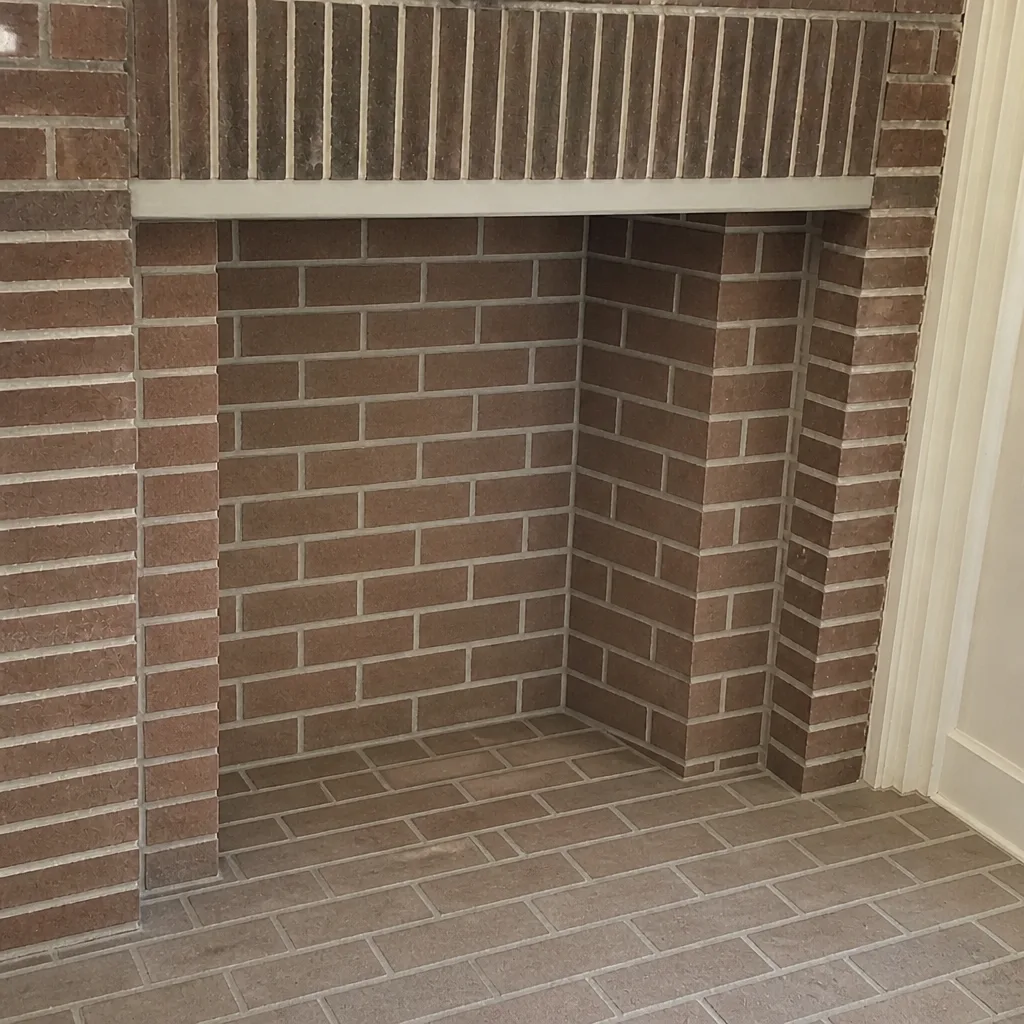
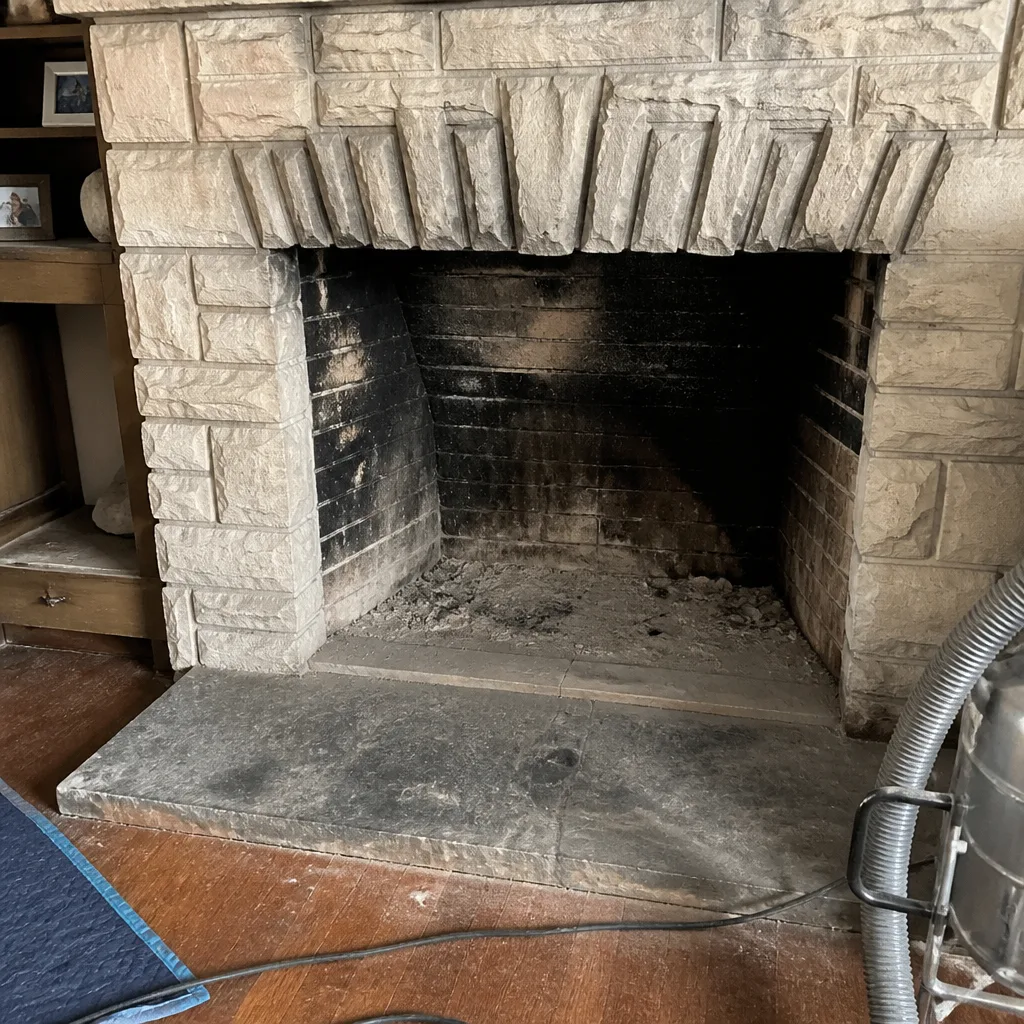
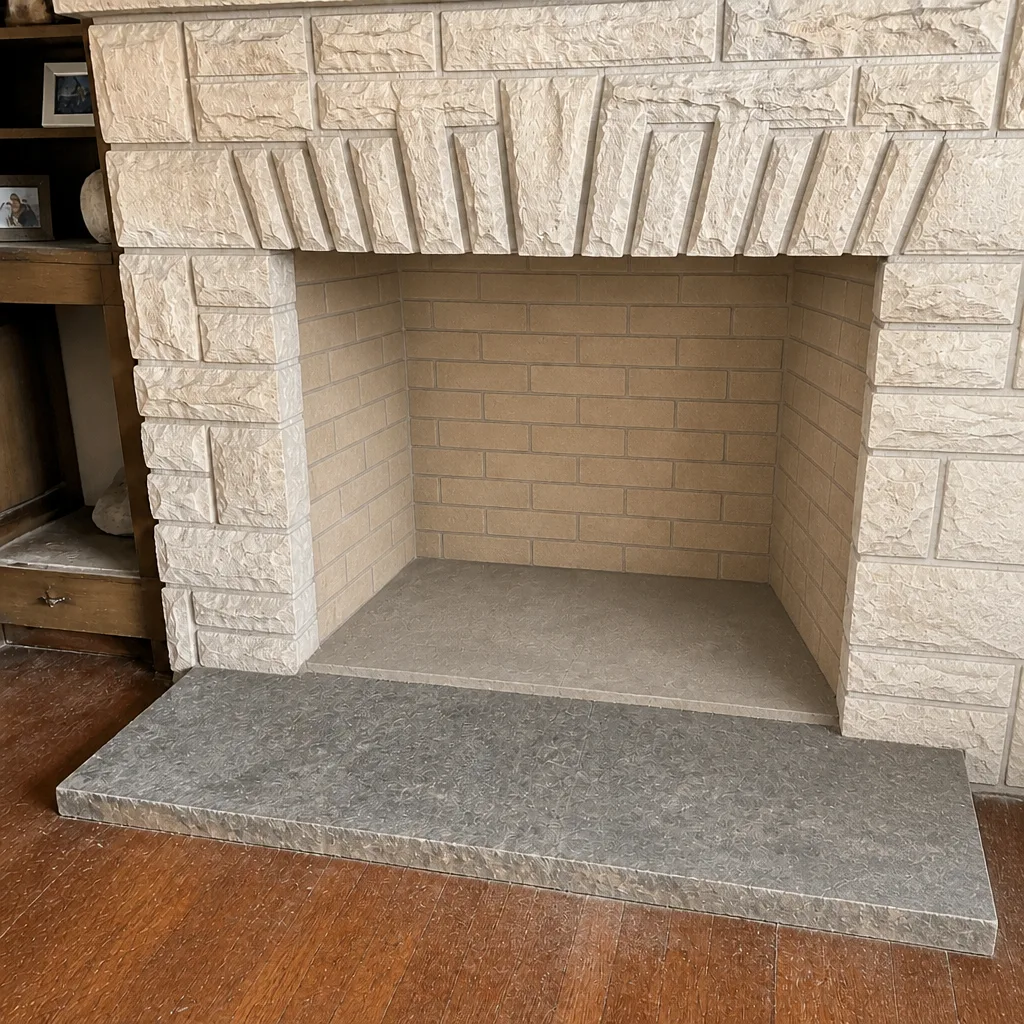
See the difference
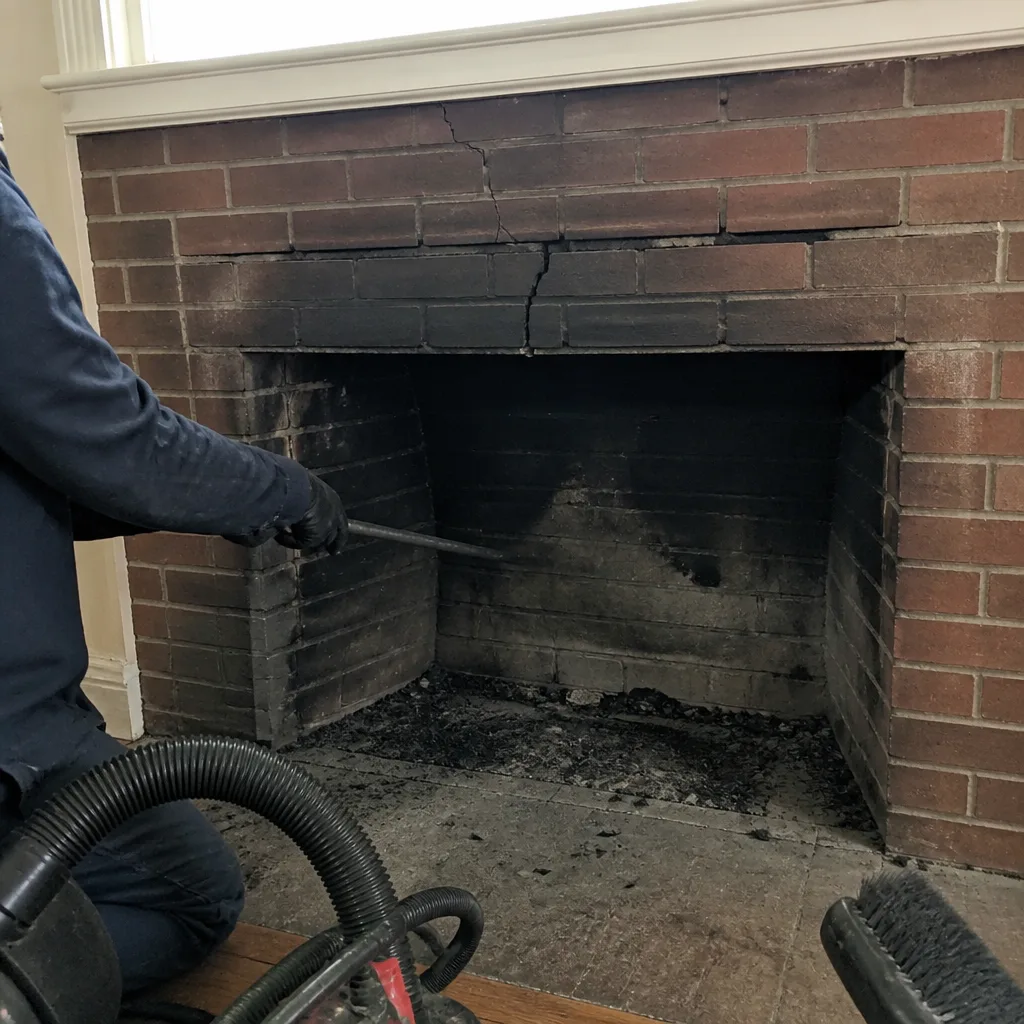 Before
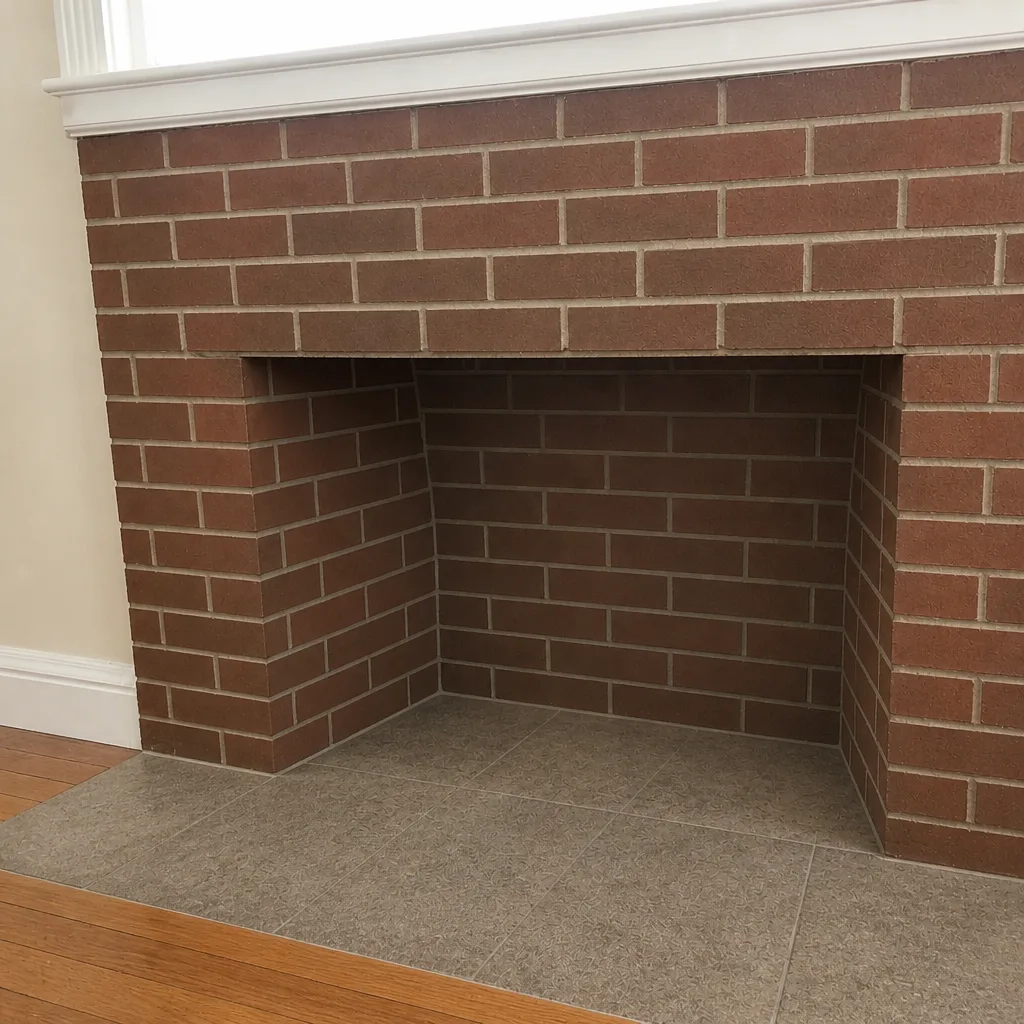 After
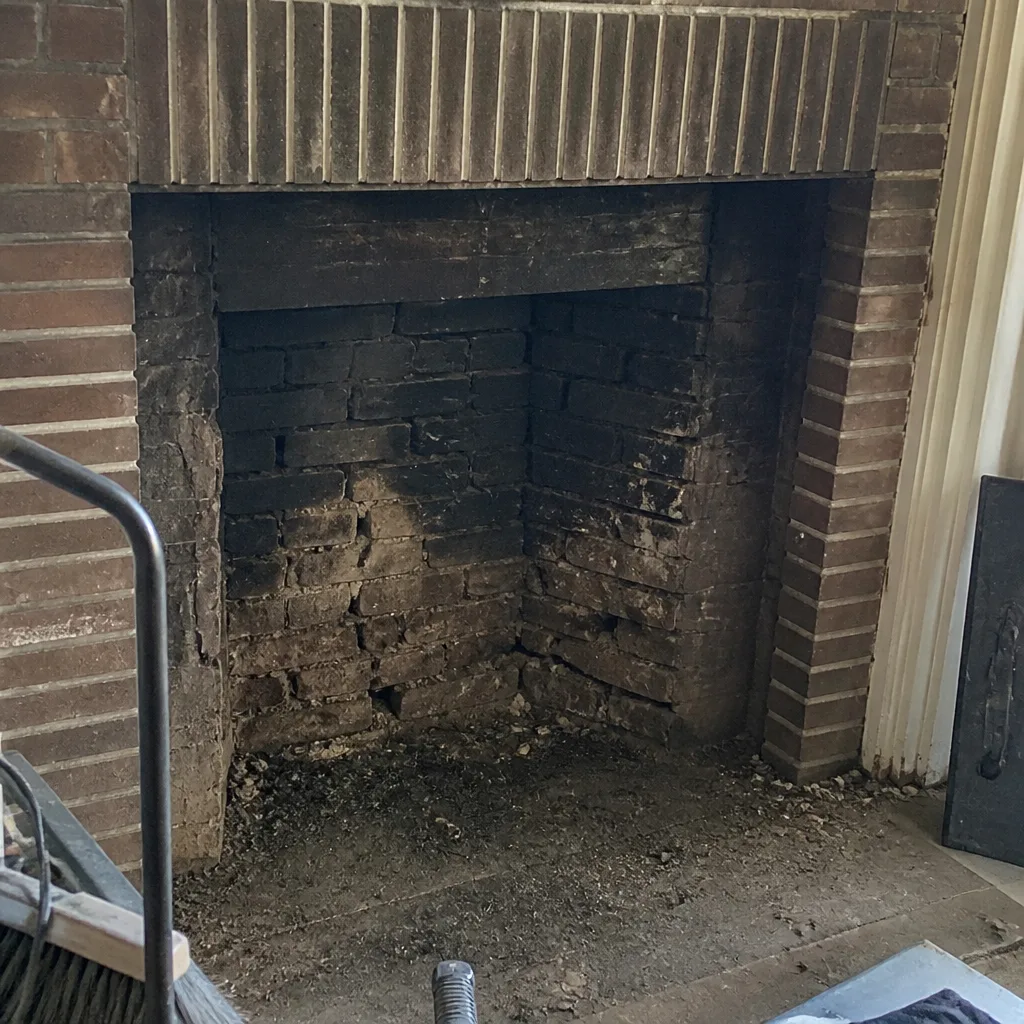 Before
 After
 Before
 After
When to Call a Professional
Call a professional chimney specialist when you see any of the stop-use signs in this guide, when you find fallen tile in the firebox, when smoke is entering the room, when there’s a persistent smell between fires, or when the exterior masonry shows staining or cracking. Call after every full burn season for a sweep and inspection, and call before the first fire of the year if you skipped it. Never try to inspect the flue above the damper yourself; you can’t see the critical upper sections from the firebox, and a camera run by a trained technician is what actually reveals the liner condition.
Chimney Sweep North Buffalo offers free estimates in North Buffalo. Call (877) 523-6169. We answer 24/7. Fast dispatch from 7am to 7pm, Sunday through Friday. If you find tile or heavy creosote and want to know whether you need a repair, an inspection first will tell you the answer with evidence you can see. Our technicians have up to 13 years of experience, and we work with professional-grade materials from DuraFlex, HeatShield, Gelco, Olympia Chimney, Famco, and Copperfield.
Frequently Asked Questions
A strong, persistent creosote smell between fires is the most reliable early warning sign. It means buildup in the flue is pushing stale air back into the room, usually when the humidity rises or the house is closed up. If the smell is sharp and bonfire-like rather than faintly smoky, the creosote load is heavier. Call (877) 523-6169 for an exact quote, because estimates are free.
Fallen flue tile is a stop-use condition and shouldn’t wait. A piece of broken tile in the firebox means the liner above it has lost integrity, which lets heat and combustion gases escape the flue. Stop burning and get an inspection before you use the fireplace again. Call (877) 523-6169 for an exact quote, because estimates are free.
Yes. White, chalky staining on exterior brick, called efflorescence, means water is passing through the masonry and depositing salts on the surface as it evaporates. It’s the visible evidence of moisture that’s already in the brick, not a surface cosmetic issue. In North Buffalo’s freeze-thaw climate, that moisture does the most damage over the winter. Call (877) 523-6169 for an exact quote, because estimates are free.
It depends on what the camera shows, and that’s why we inspect before recommending anything. When the flue liner is cracked or deteriorated but still structurally there, HeatShield resurfacing can restore it without a full relining. When the liner can’t be salvaged, a DuraFlex flexible liner handles the cases where a rigid liner won’t fit. Nothing is recommended without evidence you can see for yourself, and we’ll tell you plainly if the work can safely wait. Call (877) 523-6169 for an exact quote, because estimates are free.
Once a year for a wood-burning fireplace or stove, and more often if you burn a lot of wood. The annual sweep should come with an inspection, because the sweep removes what’s there and the inspection tells you what state the liner, crown, and cap are in. For a North Buffalo chimney, the best time to schedule it is before the burn season starts. Call (877) 523-6169 for an exact quote, because estimates are free.
Creosote keeps building up, the glaze stage becomes more likely, and the risk of a chimney fire increases. Moisture keeps working on the masonry from the outside, so a crown crack or a loose cap gets worse through the freeze-thaw season. A cracked liner from a chimney fire opens the door to carbon monoxide escaping into the house. None of this happens overnight, but none of it gets better on its own. Call (877) 523-6169 for an exact quote, because estimates are free.
The Bottom Line
Most chimney problems give you warning before they become dangerous, and the warning is usually visible if you know what you’re looking at. The white stain means water is moving through the brick. The smell between fires means creosote or moisture is sitting in the flue. The fallen tile means the liner has lost integrity. The glazed drips around the damper mean the fire is burning too cool. None of these are problems to wait out, and none are fixed by cleaning alone. If any of the signs in this North Buffalo guide are familiar, the right next step is a standalone inspection. Call (877) 523-6169. We answer 24/7. Fast dispatch from 7am to 7pm, Sunday through Friday.
Written by the team at Chimney Sweep North Buffalo.