
Last updated November 25, 2026
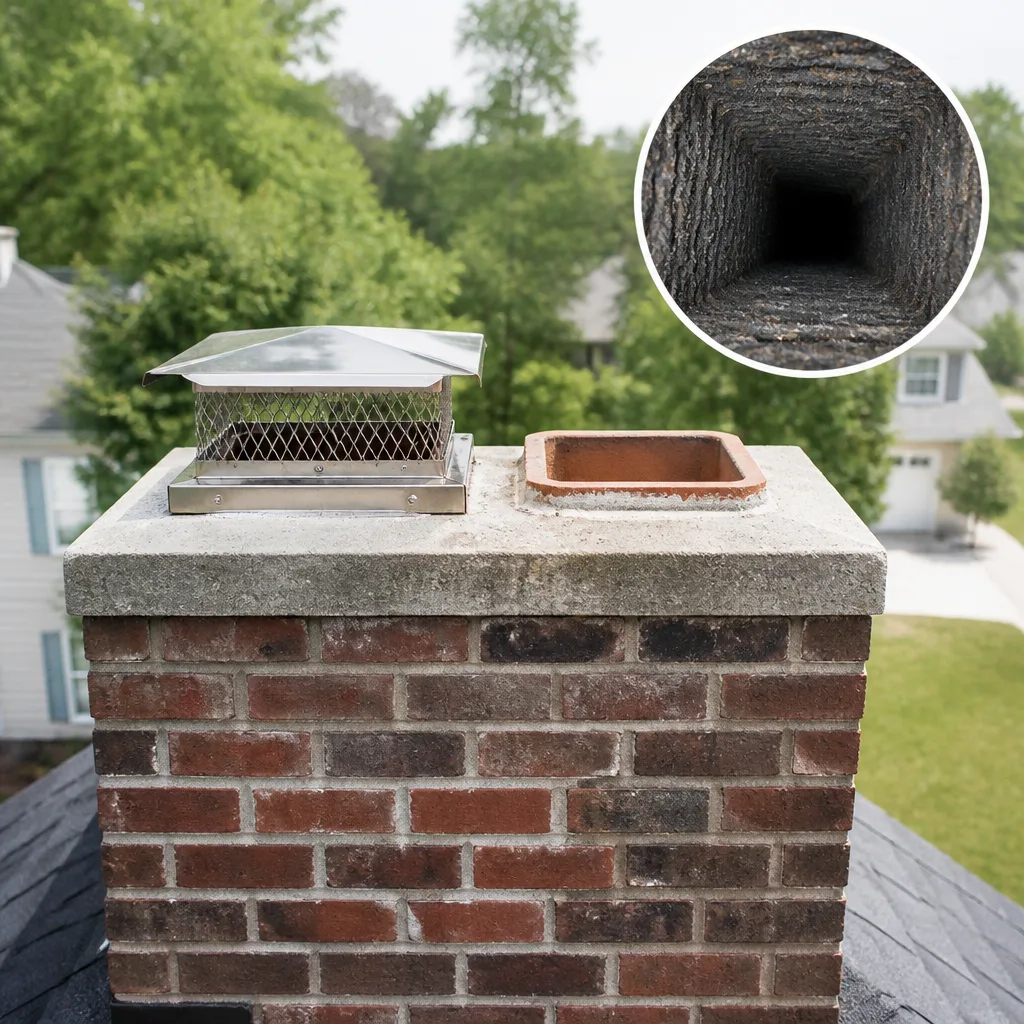 Sweep & inspection
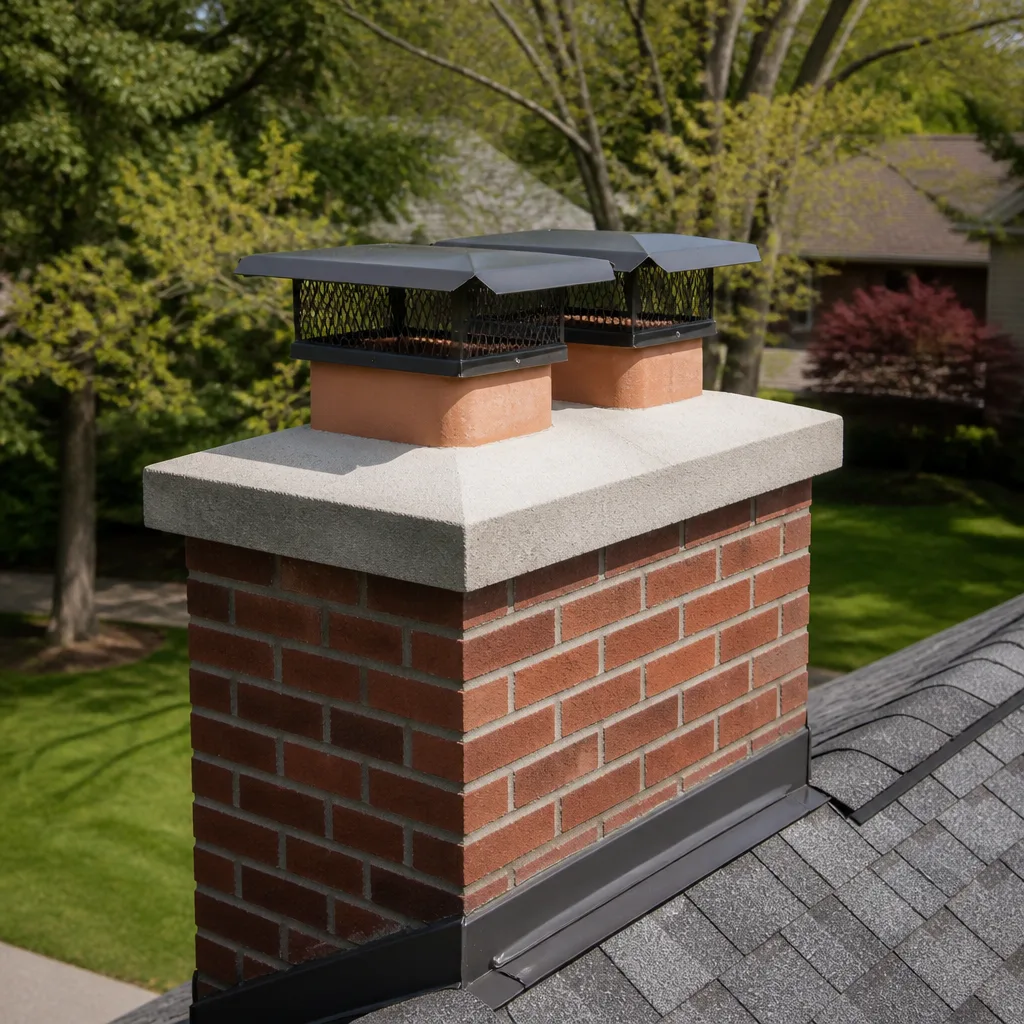 Caps & crowns
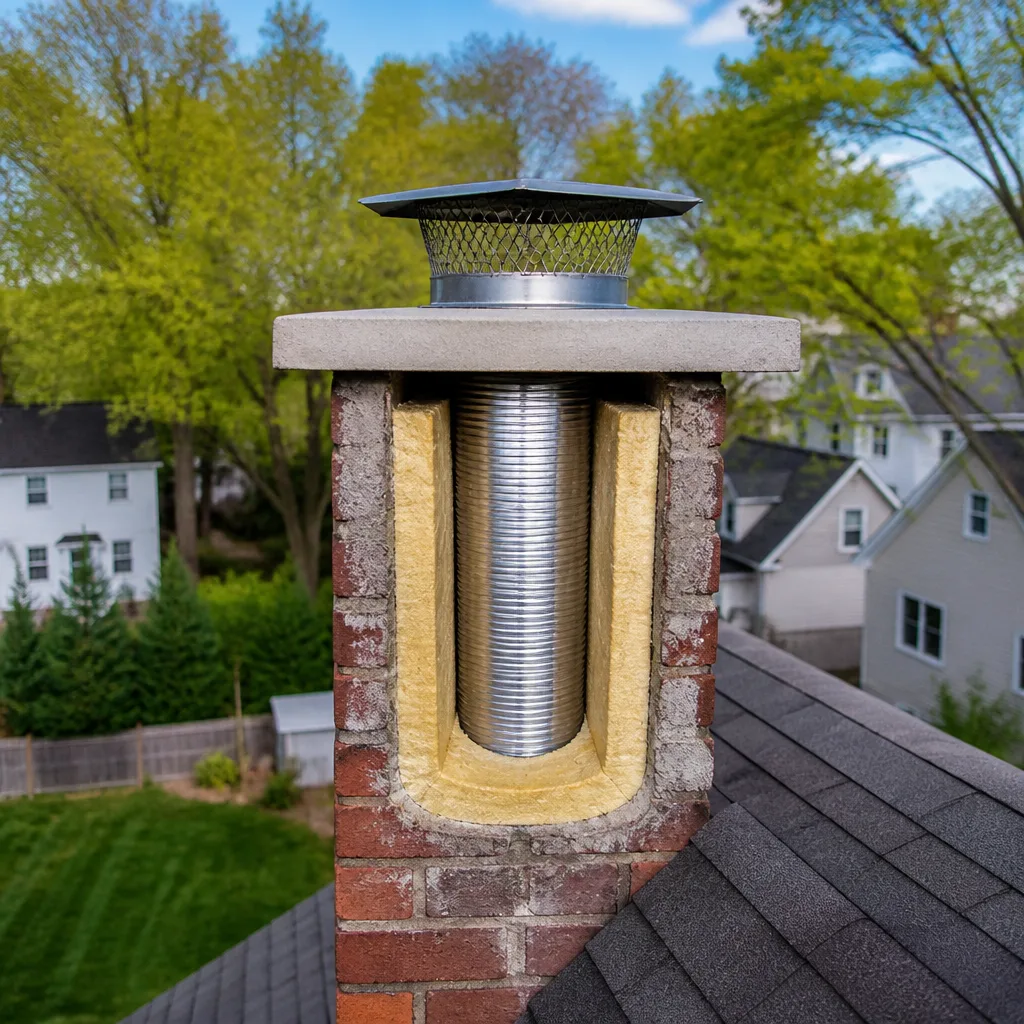 Flue relining
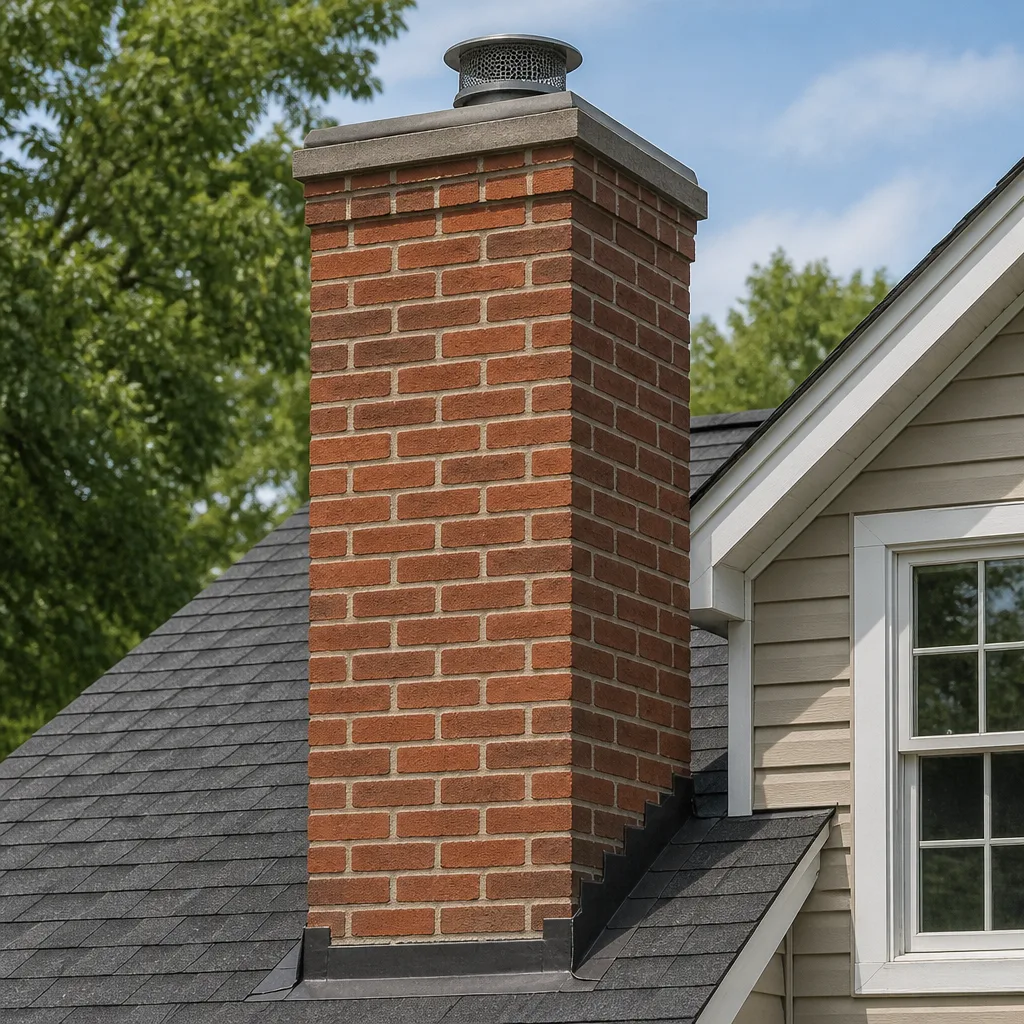 Masonry repair
 Gas fireplace service
Level 1 sweep and inspection to the NFPA 211 annual standard - flue, crown, cap, and flashing checked and photographed
Chimney sweep logs do not sweep chimneys. They loosen some creosote - which then falls where a brush and vacuum still have to collect it.
Chimney Sweep Maintenance Checklist for North Buffalo Homeowners
Most homeowners worry about the firebox and forget the damper. That’s backwards. A warped, rusted or stuck damper is one of the most overlooked sources of carbon monoxide trouble in a wood-burning system, and it’s the part people check last, if they check it at all. A damper that won’t seal lets heated room air escape up the flue when the fireplace is cold, and one that won’t open properly pushes exhaust back into the room when it’s lit. This guide is built around the actual sequence a working sweep uses on a North Buffalo chimney, not a marketing bullet list. You’ll learn what to check from the living room, what to check from the yard with binoculars, and what should always be left to a trained professional.
Quick Answer
A chimney maintenance checklist for North Buffalo homeowners should cover, in order: the damper and firebox from inside, the smoke chamber and smoke shelf, the flue and liner, the crown and cap viewed from the ground, and the exterior brick for spalling versus efflorescence. Anything involving the flue interior, the crown, or the cap should be confirmed by a certified sweep before you act on it. Items like sweeping ash, checking the damper handle, and inspecting the firebox brick from the room are legitimate homeowner tasks.
Styles & brands we work with
- Sweep & inspection
- Caps & crowns
- Flue relining
- Masonry repair
- Gas fireplace service
Table of Contents
- Why the Order of This Checklist Matters
- Inside-the-Home Checks You Can Do Yourself
- The Smoke Chamber and Smoke Shelf: What to Look For
- Crown and Cap: How to Assess Condition From the Ground
- Spalling Brick vs. Efflorescence: Two Very Different Problems
- What Requires a Certified Sweep vs. What You Can Handle
- North Buffalo Seasonal Timing
- Common Mistakes to Avoid
- When to Call a Professional
Why the Order of This Checklist Matters
A chimney is a system, and the parts interact. If you inspect the firebox before the damper, you’ll miss the most common cause of poor draft and cold-room complaints. If you inspect the brick before you’ve looked at the crown, you may mistake a moisture problem for a structural failure – or the reverse. The sequence in this guide moves from the inside out, top to bottom, following the path smoke and air actually travel.
We’ve seen this sequence work on everything from a 1920s Parkside colonial to a mid-century ranch off Kenmore Avenue. North Buffalo housing stock varies widely, and so do the chimney systems in it. Older homes around Elmwood and Delaware Park often have unlined or clay-tile-lined flues that need a different inspection path than a newer insert installation. Walking the checklist in order means you’re not chasing one symptom while missing the cause two steps back.
The other reason order matters: cost. A homeowner who catches a cracked crown from the ground with binoculars is looking at a much smaller repair than one who finds out when water has traveled into the smoke chamber. The whole point of a maintenance checklist isn’t to make you a chimney sweep. It’s to help you spot what’s changing before it becomes expensive.
Inside-the-Home Checks You Can Do Yourself
Start indoors. These are the pieces you can safely look at from the room without touching the flue interior. Don’t light a fire before finishing the checks.
- Damper operation. Open and close the damper by hand. It should move freely and seal flat when closed. Look for rust, warping, a bent frame, or a handle that no longer reaches the open or closed position cleanly. If the damper sticks partway, stops short, or won’t sit flush, don’t burn until a sweep has looked at it.
- Firebox brick and mortar. Shine a flashlight on the brick lining the firebox. Look for cracks wider than a hairline, missing mortar joints, or brick faces that have flaked away. Small hairline cracks are common; open joints are not.
- Ash buildup in the firebox. Ash should never rise above the top of the grate. A thick bed of ash blocks airflow under the fire and can damage the grate over time.
- Creosote at the firebox throat. Look up at the top of the firebox, where it narrows toward the flue. Any shiny, tarry, or glazed buildup visible there is a warning sign of the same material higher up.
- Smoke stains on the fireplace face. Streaks above the opening or on the mantel suggest draft problems or a damper that isn’t sealing when closed.
- Smoke detector and carbon monoxide detector. Test both. Make sure there’s a CO alarm on every level of the home, and one near sleeping areas.
That’s the homeowner-safe list for inside the house. Notice what’s not on it: brushing the flue, pulling the damper for repair, or examining the smoke chamber above the damper opening. Those are sweep territory. If you’re already in North Buffalo and your damper doesn’t feel right, we can look at it and tell you exactly what’s going on before recommending anything.
The Smoke Chamber and Smoke Shelf: What to Look For
The smoke chamber is the sloped section between the top of the firebox and the start of the flue. The smoke shelf is the ledge at the back that catches debris and redirects downdrafts. Most homeowners have never heard of either, and that’s why problems here go unnoticed for years.
You shouldn’t crawl into the smoke chamber or reach into it to inspect it. It’s a legitimate part of the system’s safety envelope, and it needs to be examined by someone who knows what a properly parged chamber looks like. What you can do is look up from the firebox with a strong flashlight and see whether anything obvious is wrong.
Visual indicators to note from below
- Rough, jagged, or missing parging. The sloped walls of the smoke chamber should be smooth. When the parging has broken away, the chamber catches creosote and slows smoke movement.
- Visible gaps or offsets between the firebox and the chamber. The transition should be continuous. A step or break here is a place for smoke to slow and deposit.
- Debris on the smoke shelf. Leaves, twigs, and even bird nesting material can rest on the shelf and block part of the smoke path. Nesting material also raises a fire risk.
- Heavy glazed creosote on the chamber walls. Glossy, tar-like buildup is the hard kind to remove and the most important kind to catch early.
- Daylight or bright sky visible where it shouldn’t be. A visible gap at the top of the smoke chamber, or light coming through where the flue should be solid, means the system needs a proper inspection.
If any of those are present, the next step is a professional assessment, not a DIY repair. The smoke chamber is one of the areas where a chimney repair recommendation carries real weight, and it’s also one of the areas where an honest inspection pays for itself. Our technicians have up to 13 years of experience reading these transitions and know when a chamber just needs cleaning versus when parging has actually failed.
Crown and Cap: How to Assess Condition From the Ground
You don’t need to climb a ladder to know whether your crown and cap need attention. Stand across the street or in the backyard, raise a pair of binoculars to the chimney, and work through the following steps. This is where two specific North Buffalo seasons – heavy snow load in winter, freeze-thaw in spring – do most of their damage.
What to check with binoculars
- The crown surface. The crown is the concrete cap at the very top of the chimney that sheds water away from the brick. Look for cracks, chips, or a surface that has separated from the flue. If the crown isn’t sloped so water runs off, that’s a problem even if it isn’t cracked yet.
- The cap (the spark-arrestor style cover over the flue). It should sit level, cover the full flue opening, and have intact mesh. A cap that’s tilted, missing its mesh, or rusted through lets rain, snow, birds, and squirrels straight into the flue.
- The joint where the cap meets the crown. Look for gaps, lifting, or cracked sealant at the base. This is the entry point for most water problems.
- The top courses of brick below the crown. They should be flat, in line, and free of missing mortar. If the top row looks stepped or uneven, moisture has probably been getting in from above.
- Chimney silhouette against the sky. A chimney that leans or bows has a structural issue that needs professional eyes.
A properly fitted cap and a properly sloped crown are what keep water out of the flue year-round. When either is failing, we install replacements sourced from dedicated chimney suppliers like Olympia Chimney and Famco – not hardware-store substitutes. If you’re already seeing a cracked crown from the yard, our chimney cap & crown work is the place to start.
Spalling Brick vs. Efflorescence: Two Very Different Problems
From the ground, these two look a lot alike. They aren’t the same thing, and treating one like the other will waste money or delay a real repair. Here’s how to tell them apart.
Efflorescence
Efflorescence is a white, powdery salt deposit on the brick face. Water moves through the brick, dissolves salts, and deposits them on the surface as it evaporates. It’s cosmetic until it isn’t – heavy efflorescence is a sign that water is getting into the masonry and needs somewhere to go. Wipe a small patch with a dry brush. If it comes off as powder and doesn’t leave a crater, it’s efflorescence.
Spalling
Spalling means the brick face is flaking, peeling, or popping off, leaving a rough pitted surface. It happens when water gets inside the brick and freezes. The ice expands, the face shears off, and the brick loses thickness. Run your hand along a spalled brick – or look closely with binoculars – and you’ll see a crater or a flaked face, not a powder. Spalling is substrate failure. It won’t fix itself.
Why North Buffalo weather makes this matter
Freeze-thaw cycles are the engine behind spalling, and North Buffalo gets plenty of them between November and April. A brick wall that would survive thirty winters in a milder climate can spall in ten here if water is being allowed in by a failed crown or cap. That’s why crown and cap checks belong on the same checklist as the brick.
If you’re seeing spalling near the top of the chimney, the cause is almost always water entry from above. Fix the crown and cap first, then assess the brick. Fixing the brick without fixing the source just repeats the problem next winter.
What Requires a Certified Sweep vs. What You Can Handle
Homeowners ask this more than any other question, and the honest answer is that the split is narrower than people expect. Here’s the breakdown.
Legitimate homeowner tasks
- Operating the damper and noting whether it opens, closes, and seals.
- Visually inspecting the firebox brick from the room with a flashlight.
- Checking that the cap and crown look level from the ground using binoculars.
- Testing smoke and carbon monoxide detectors.
- Keeping the firebox free of excess ash between fires.
- Looking for smoke stains on the fireplace face and noting new ones.
Tasks that always require a certified sweep
- Sweeping the flue. The tools and technique matter, and a solo homeowner can easily damage a clay tile liner trying to brush it out.
- Inspecting the flue interior with a camera. This is the only way to genuinely see what’s going on inside the liner.
- Removing glazed creosote. Glazed creosote is a fire risk and requires the right method for the right stage of buildup.
- Evaluating the smoke chamber and smoke shelf at close range. The chamber is a safety-critical space that needs trained eyes.
- Any repair to the crown, cap, flue liner, or damper. Repair work on a chimney is not a homeowner job, and it’s not a job for a handyman.
- Any roof access work. Steep roof, height, and chimney-top work together add up to a real fall hazard.
One note on the “certified” part. Not every chimney company sends a certified sweep, and not every inspection is the same. When you book, ask what the inspection covers. A Level 1 inspection is a visual check of accessible parts. If a company recommends chimney repair without a camera inspection of the flue, ask why – and expect to see the video.
North Buffalo Seasonal Timing
The best time to schedule a chimney sweep in North Buffalo is late summer or early fall, before the first cold snap turns the phone lines into a waitlist. But that’s the practical answer, not the whole answer. Each season brings its own maintenance focus.
Spring
After a winter of fires, spring is when lingering creosote and moisture from melted snow sit together in the flue. If a winter’s worth of fires built up a creosote layer, spring is the time to clear it. Spring is also a good time to check for roof-level winter damage, since freeze-thaw has had all season to work on the crown and brick.
Summer
The chimney isn’t in use, but summer is the season for animals. Birds, squirrels, and raccoons see an uncapped flue as a chimney-shaped den, and nesting material is a fire risk. If your cap is missing mesh or has lifted, summer is when a family takes up residence. It’s also the season for exterior masonry work, since mortar sets well in warm, dry weather.
Fall
Pre-season sweep territory. Getting a professional chimney sweep done before the first fire of the year means the flue is clean going in and you’re not discovering a problem mid-winter when you want heat. If your last sweep was several seasons ago, don’t guess – book one.
Winter
Keep an eye on what’s actually happening inside. If smoke rolls out of the fireplace into the room, if the fire is hard to light or won’t draft, or if you notice a CO alarm, stop burning and call. Winter is also when the crown and cap get tested for real, and when the symptoms of a failing damper show up most clearly.
The honest rule: the checklist in this guide should be walked before every heating season, and the professional sweep should be booked before the first fire. Everything in between is damage control.
Common Mistakes to Avoid
- Burning before checking the damper. Homeowners light the first fall fire without verifying the damper opens cleanly. A stuck damper means smoke has nowhere to go but into the room, and the fix is usually small if it’s caught before it’s run hard.
- Assuming efflorescence is a masonry failure. White powder on the exterior brick looks dramatic, but if it brushes off as powder it’s a moisture symptom, not a structural one. Treating it as cosmetic without finding the water source just delays the real problem.
- Assuming spalling is cosmetic. The reverse mistake, and the more expensive one. Flaked brick faces near the top of the chimney usually trace back to a failed crown or cap, and waiting a season turns a crown repair into brick replacement.
- Judging the cap by looking up from directly below. A tilted cap or one with a small gap in the mesh can look fine from six feet away. Use binoculars from across the yard, where the silhouette against the sky tells you the real story.
- Skipping an inspection because the flue “looks clean” from the firebox. The firebox opening is a tiny window into a long flue. A camera inspection from a sweep is the only way to know what’s actually in the liner, especially in older North Buffalo homes with irregular clay tile.
- Booking a sweep and repair as a bundled package before seeing the findings. A trustworthy chimney specialist will do the sweep, show you the camera footage, and recommend repair only if that footage proves it. Our inspection is offered as a standalone service, and that’s intentional – it lets you hear the assessment without the pressure of a repair ticket.
- Using a generalist for chimney work. Chimney caps and crowns need to be fitted to the flue dimensions, and liners need to match flue conditions. A handyman with general tools and no chimney-specific product lines will not get the fit right, and the failure shows up within a couple of seasons.
When to Call a Professional
Call a professional chimney sweep if any of the following are true: your damper doesn’t open, close, or seal cleanly; you can see cracked, glazed, or missing material inside the firebox throat; you notice smoke stains on the fireplace face where none were before; your cap is tilted, missing mesh, or covered in birds’ nests; you see spalling near the top of the exterior chimney; your last professional sweep was more than a heating season ago; or you’ve received a repair recommendation from an inspector, insurer, or previous technician and you want a specialist to verify it with camera evidence before you commit.
Chimney Sweep North Buffalo offers free estimates in North Buffalo – call (877) 523-6169. We answer 24/7. Fast dispatch from 7am to 7pm, Sunday through Friday. Every estimate is written before any work begins, and every repair recommendation comes with camera footage and photos you can see for yourself. If work can wait, we’ll tell you that too.
See the difference
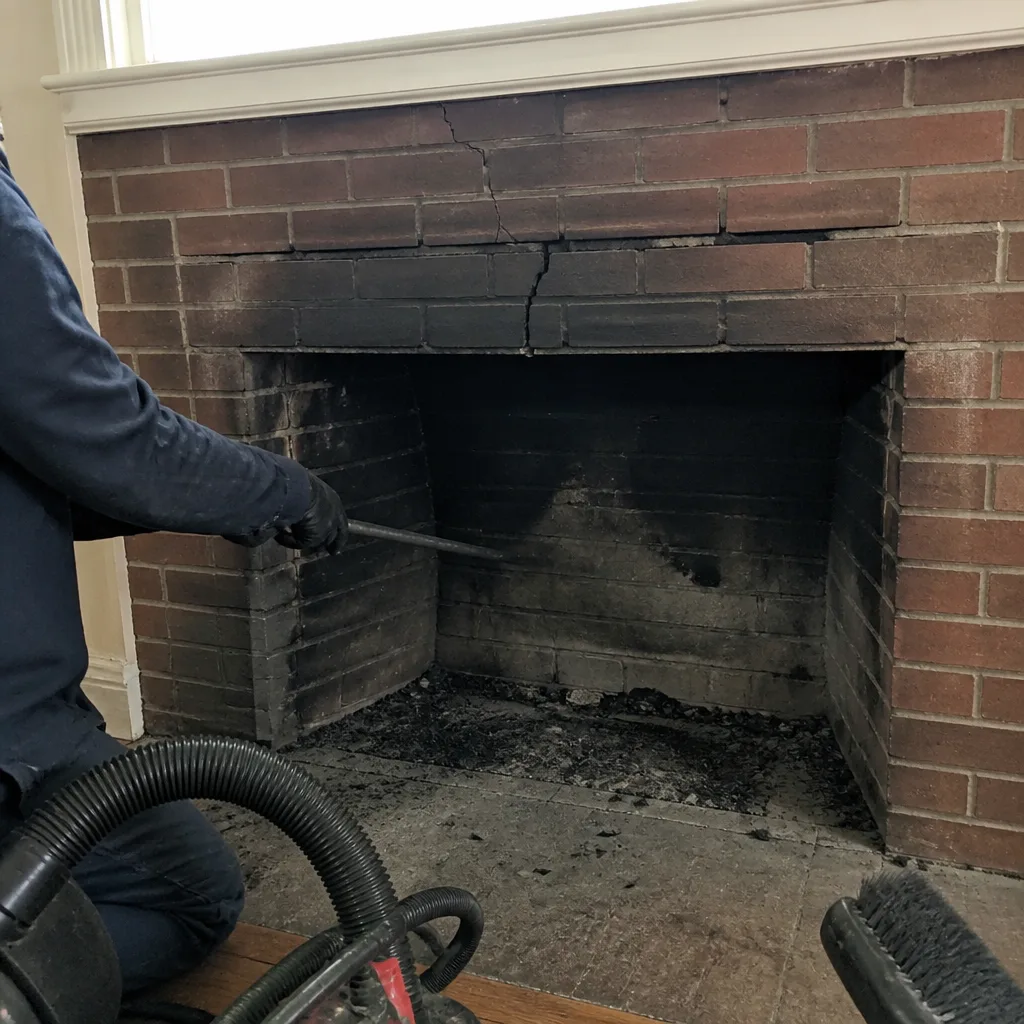 Before
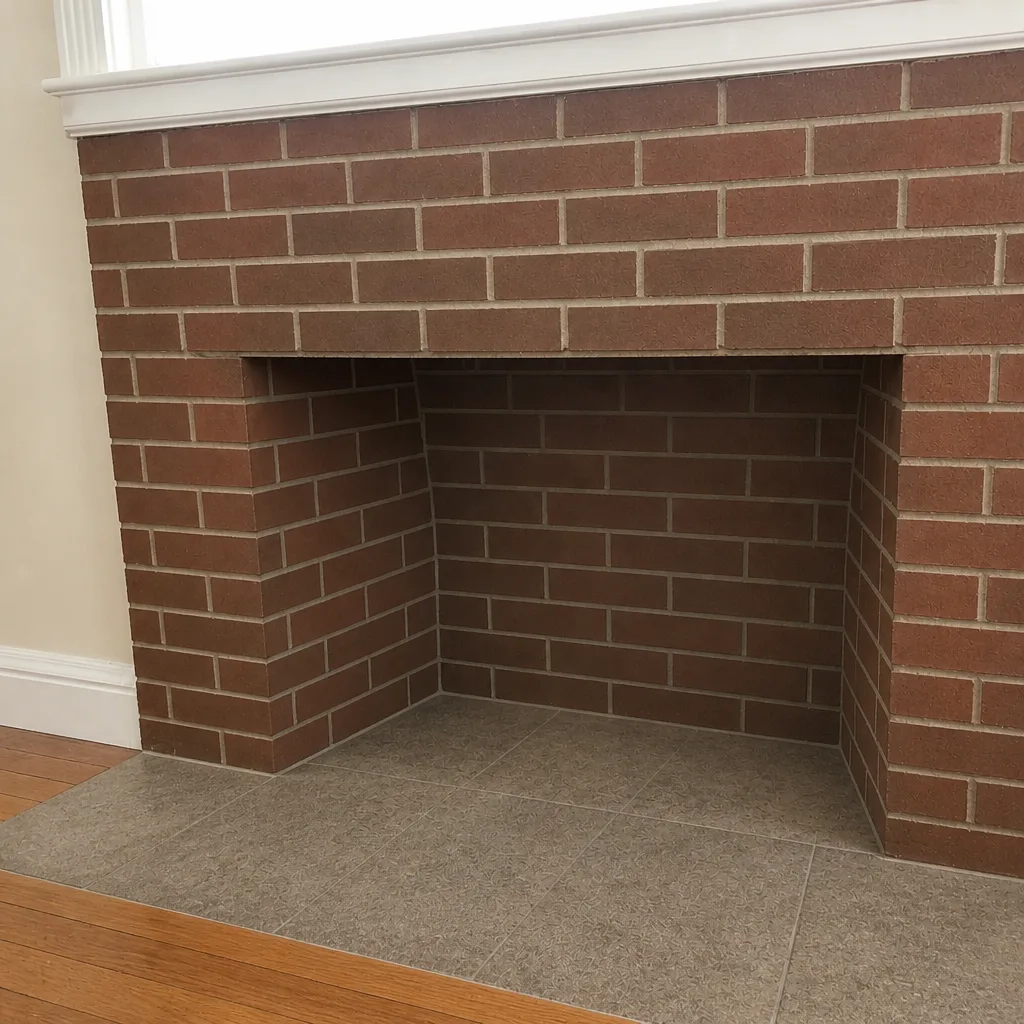 After
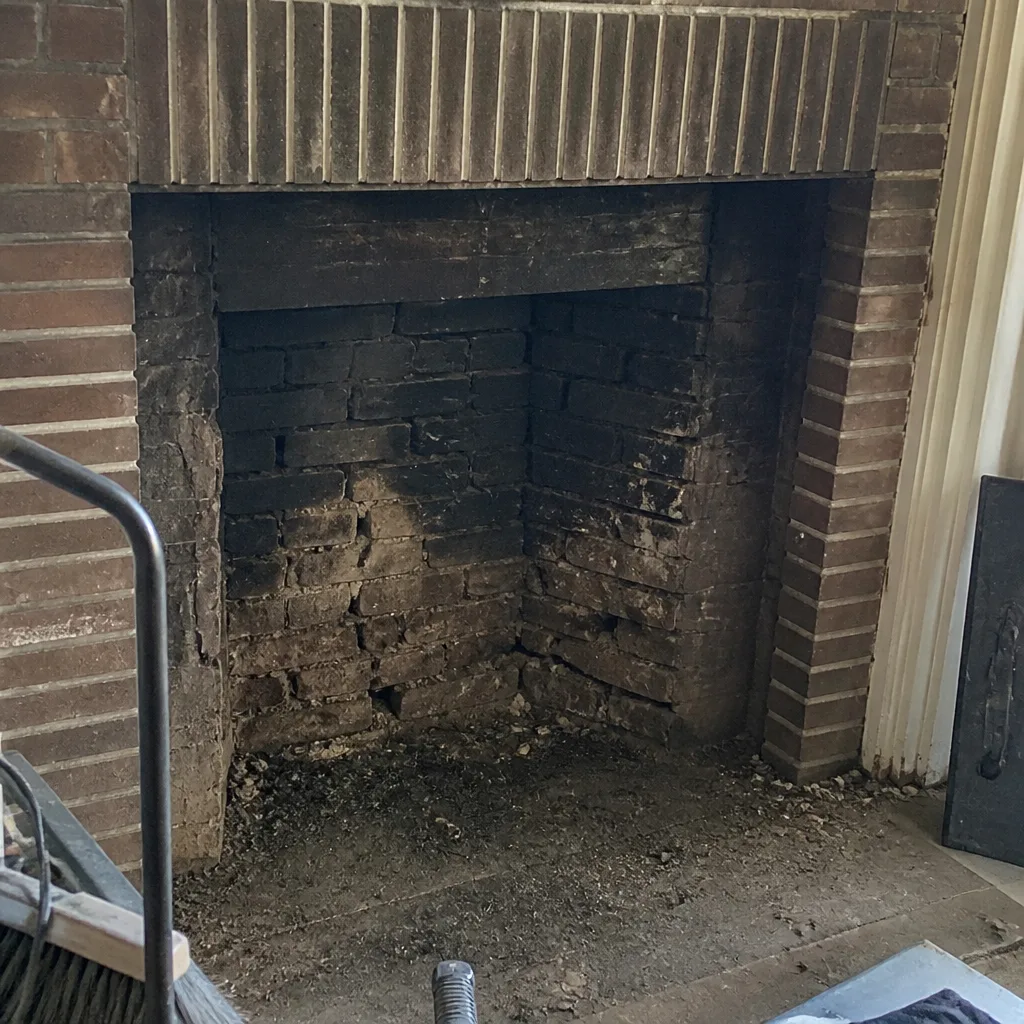 Before
 After
 Before
 After
Frequently Asked Questions
Once a year for a wood-burning fireplace that sees regular use, and again any time there’s a change in how the system performs. A chimney that’s burned through a full winter of fires needs a sweep before the next season, and a chimney that sat unused for years still needs one before it’s put back in service.
You really do need to check it, and you can do that yourself in about thirty seconds. A damper that won’t seal lets heated room air escape; one that won’t open properly pushes exhaust into the room. It’s the most overlooked component in the system, and the check is free. What you don’t do is repair it yourself. Call (877) 523-6169 if you’re not sure what you’re looking at – estimates are free.
A professional sweep brushes the flue, cleans the firebox, checks the smoke chamber and smoke shelf, and inspects the flue with a camera. The camera work is what separates a real sweep from a quick brush-and-go. We’ve seen problems on camera that were completely invisible from the firebox opening, and that footage is what we show you before recommending anything.
Yes, and you should. A pair of binoculars from across the yard will show you the crown surface, the top of the flue, the cap and its mesh, and the top courses of brick. What binoculars won’t show you is spalling versus efflorescence in fine detail, or anything going on inside the flue. Use them to catch obvious damage early, and let a sweep confirm what you find.
A liner recommendation is legitimate when the camera inspection shows a deteriorated, cracked, or broken flue interior – not before. If your flue tile is intact, the liner is fine and you don’t need one. If it isn’t, the right solution depends on the flue. We work with DuraFlex flexible liner systems for relining jobs where rigid liner won’t fit, and HeatShield resurfacing when the flue condition calls for restoration rather than replacement. Either way, you should see the evidence. Call (877) 523-6169 and ask for the camera footage.
Chimney repairs often require a permit, but the rules depend on the type of work and the local code at the time of the job. The way to know for your address is to ask the city’s building department directly before work starts. A reputable chimney specialist will be able to tell you whether your specific repair typically needs one, and won’t start work without clarifying it.
The Bottom Line
The chimney checks that matter most in North Buffalo homes are the ones homeowners do themselves: the damper first, the firebox brick, the smoke stains, the binocular look at the crown and cap. The checks that require a professional are the flue interior, the smoke chamber at close range, and the exterior brick where spalling is starting. Walk the checklist before each heating season, book a sweep before the first fire, and don’t accept any repair recommendation – ours or anyone else’s – without camera footage you’ve seen. That’s the whole point of an inspection done right. When you’re ready, call (877) 523-6169 for a free estimate.
If you’re looking for the parent company overview, we’ve written that up at Chimney Sweep North Buffalo, including how the inspection-first process works on every repair recommendation.
Written by the team at Chimney Sweep North Buffalo.