
Last updated November 25, 2026
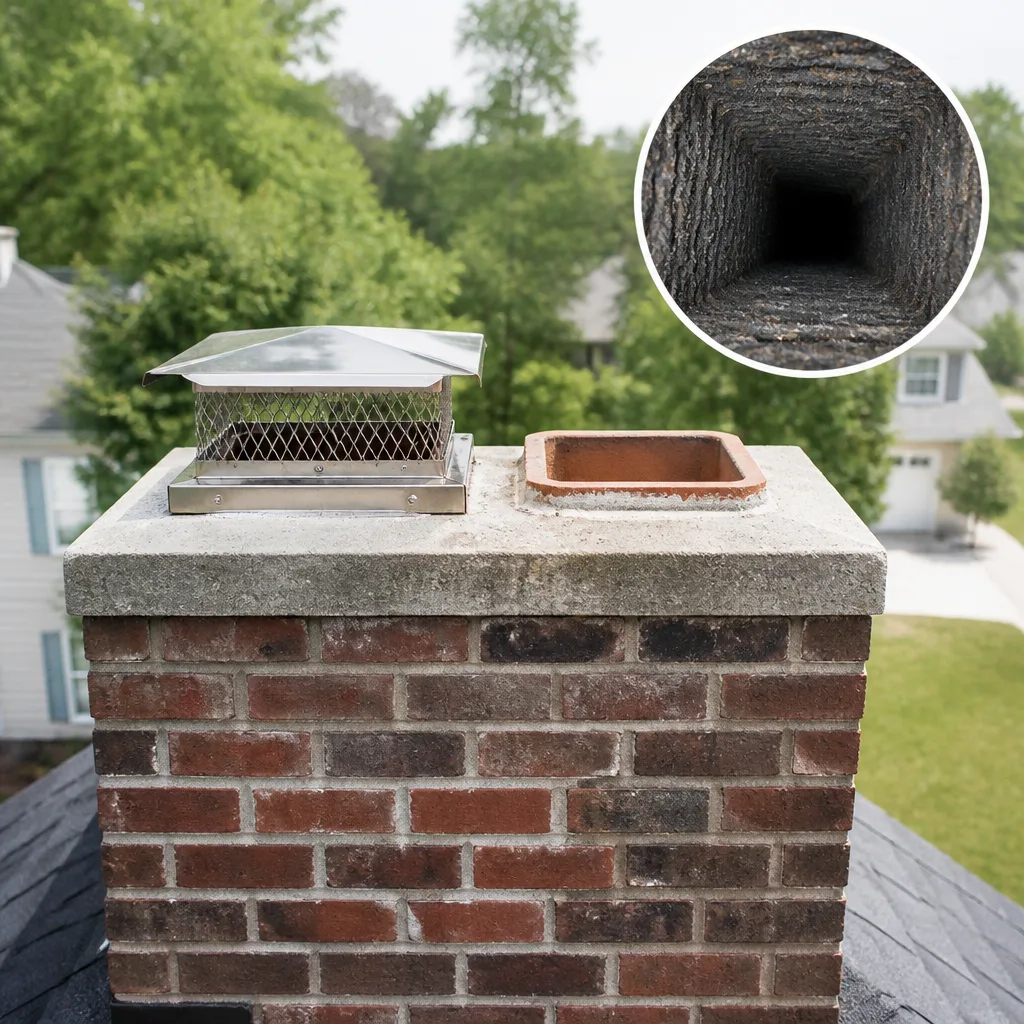 Sweep & inspection
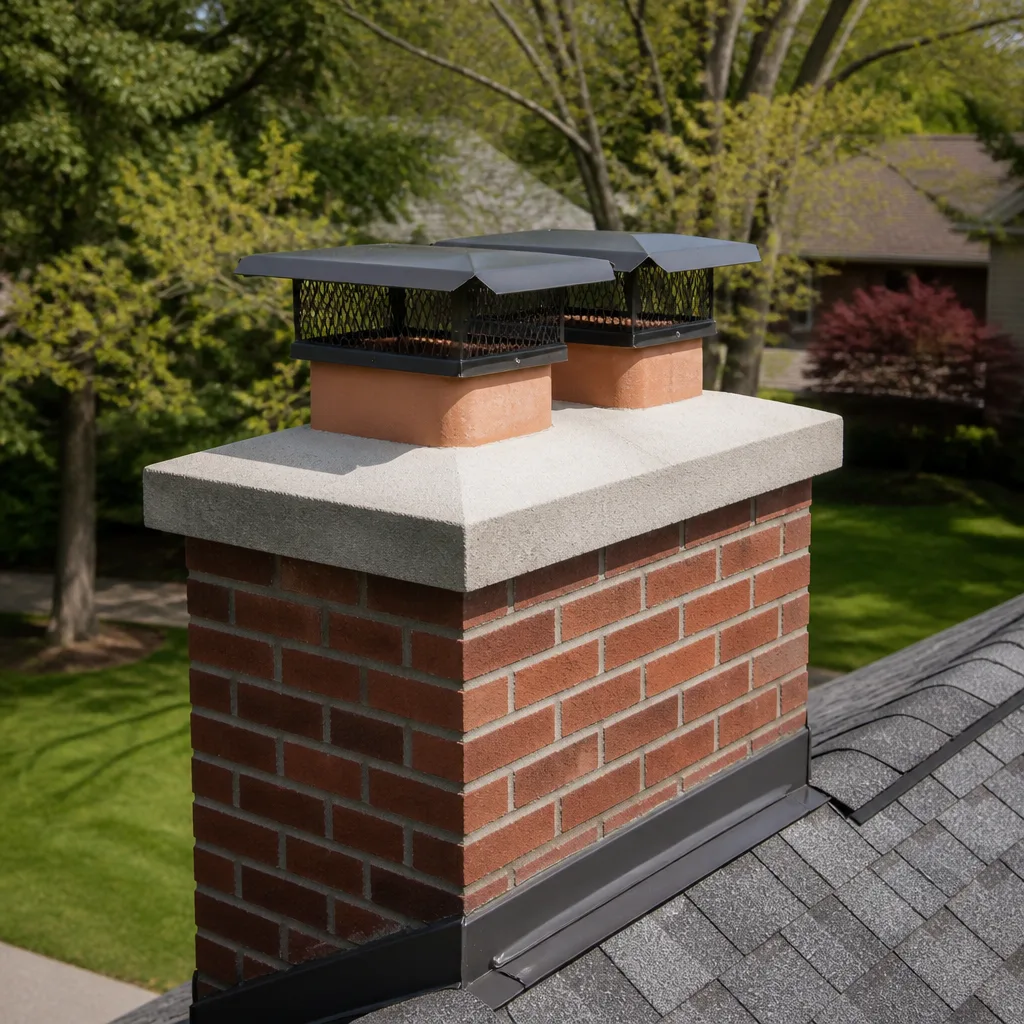 Caps & crowns
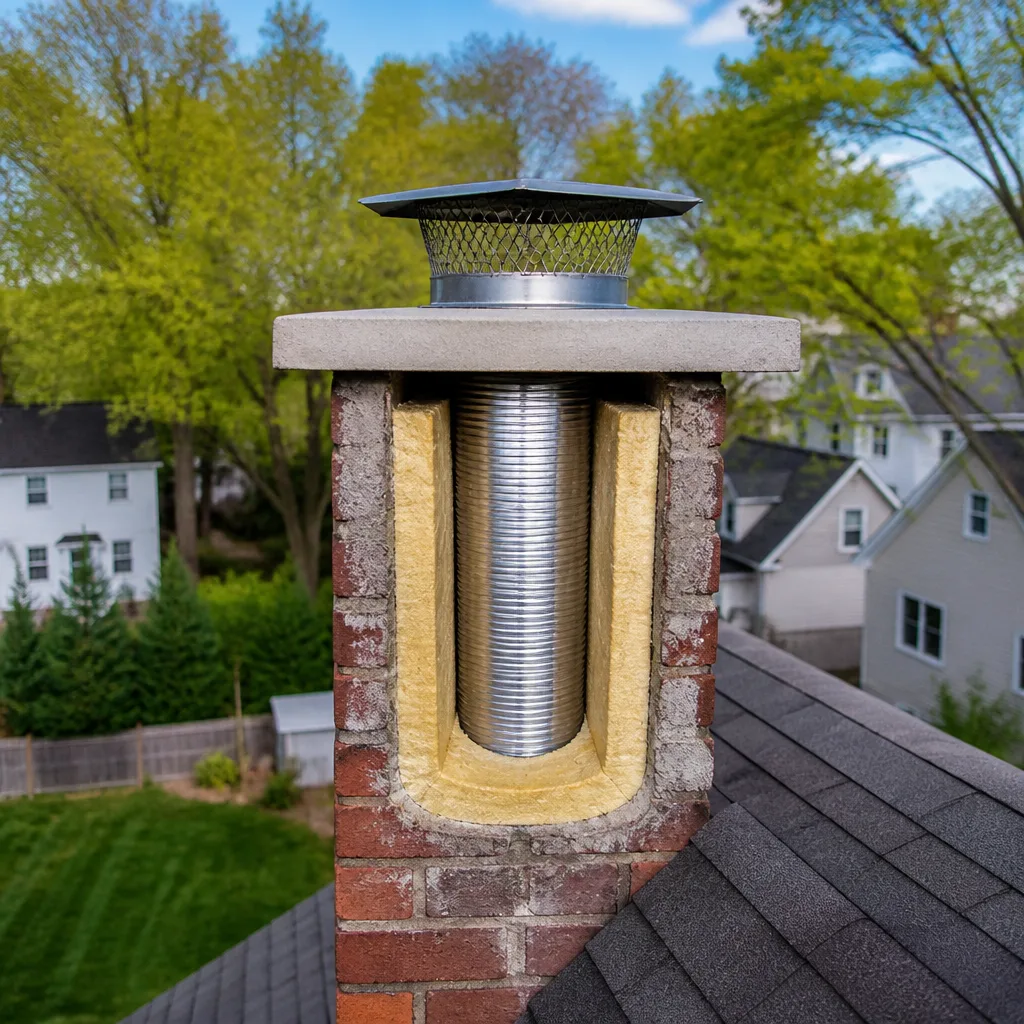 Flue relining
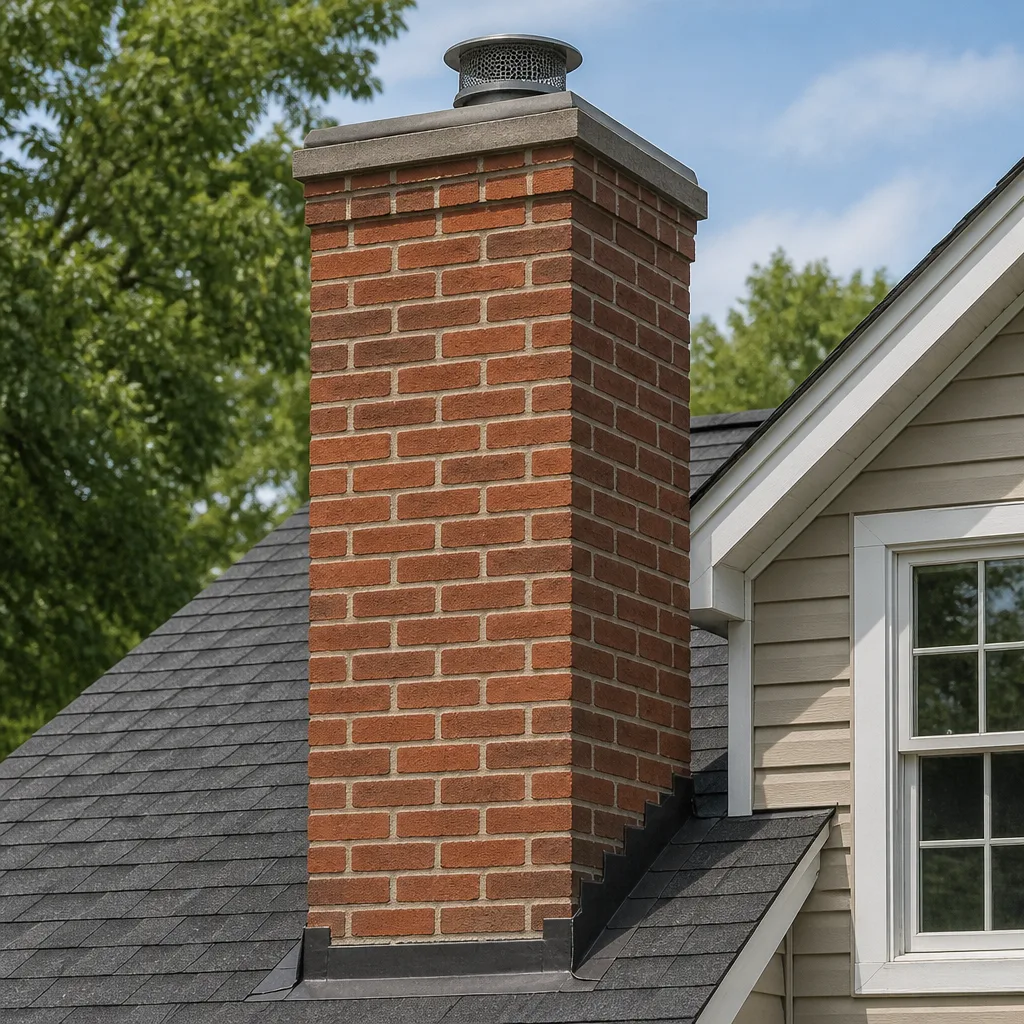 Masonry repair
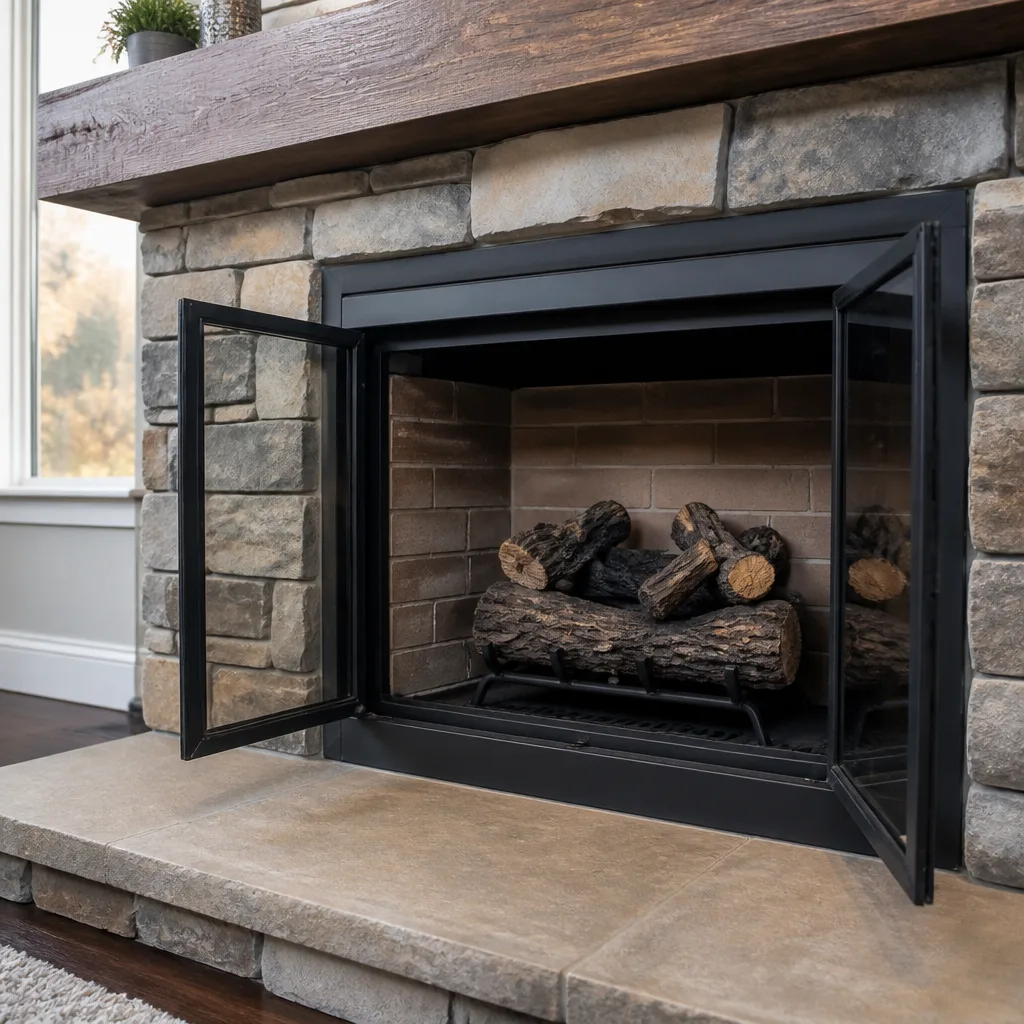 Gas fireplace service
Level 1 sweep and inspection to the NFPA 211 annual standard - flue, crown, cap, and flashing checked and photographed
Chimney sweep logs do not sweep chimneys. They loosen some creosote - which then falls where a brush and vacuum still have to collect it.
Chimney Cleaning Permits, Codes & Inspections in North Buffalo, NY: What You Need to Know
Most homeowners assume every chimney job needs a permit, or that none of them do. Both guesses are wrong. In North Buffalo, a routine annual cleaning is maintenance and needs no paperwork at all, but as soon as liner work, a rebuild, or a structural repair enters the picture, the regulatory picture changes quickly. The trouble is that homeowners rarely find out until an insurance adjuster or a buyer’s attorney asks for proof, and by then a job done without proper documentation is hard to untangle. This guide walks through where the line sits under New York State and City of Buffalo rules, what NFPA 211 means when you sell, and the records worth keeping on file.
Quick Answer
In North Buffalo, NY, a routine chimney sweep generally requires no permit, while alteration or repair work on the chimney – relining, rebuilding a crown, replacing a chase section – typically does require one through the City of Buffalo and must follow the New York State Building Code as adopted locally. Any chimney inspection needed for a sale or insurance review should follow NFPA 211 standards, and a licensed technician can document that. Keeping your permit records is what protects you at resale.
Styles & brands we work with
- Sweep & inspection
- Caps & crowns
- Flue relining
- Masonry repair
- Gas fireplace service
Table of Contents
- Maintenance vs. Repair: Where the Permit Line Sits
- How the New York State Building Code Applies in North Buffalo
- Erie County and City of Buffalo Jurisdiction in North Buffalo
- What NFPA 211 Requires for Sales and Insurance
- How to Verify a Contractor Is Pulling Permits
- The Documentation to Keep After Chimney Work
- Common Mistakes to Avoid
- When to Call a Professional
Maintenance vs. Repair: Where the Permit Line Sits
This is the single distinction that causes the most confusion among North Buffalo homeowners, and it’s worth getting straight before you book anything. A cleaning removes creosote, soot, and blockages from the flue. It doesn’t change the structure of the chimney. That’s the test that matters – if the work modifies, replaces, or restores the physical chimney system, it’s no longer routine maintenance.
Under the New York State Building Code, as adopted by the City of Buffalo, alteration and repair work on a solid-fuel chimney falls into the permit category. That generally includes:
- Installation of a new stainless steel chimney liner, whether rigid or flexible
- Relining an existing flue with a resurfacing system like HeatShield
- Rebuilding a chimney crown or replacing a chase cover
- Removing, repairing, or replacing a masonry flue section
- Installation of a new wood stove or fireplace insert with a new venting connection
- Structural repair to the chimney above the roofline
Routine maintenance that typically does not trigger a permit includes:
- Annual sweeping and removal of creosote and soot
- Removing a bird nest or debris blockage
- Replacing a damaged chimney cap that’s secured with standard fasteners to an existing flue
- Inspection and documentation work
If you’re unsure which category your work falls into, ask before the job begins. A specialist who knows the code will tell you plainly, and a specialist who hesitates is not the one you want handling the work. Our team can clarify this on a call before any booking is made – chimney repair is where these questions usually come up.
How the New York State Building Code Applies in North Buffalo
New York State writes the building code, and cities like Buffalo adopt it locally with their own amendments. For chimney work in North Buffalo, that means the rules you’re actually held to combine the state code with the City of Buffalo’s local enforcement. In practice, the state code sets the technical standard for clearances, liner materials, and venting, while the city issues the permits and inspects the work.
This double layer matters more than it first appears. If a chimney is relined with a material that doesn’t meet the state code’s requirements for the fuel type, the installation can pass a casual visual look and still fail a proper inspection. The job has to meet both the technical standard and the local permit process.
What does that mean for you as a North Buffalo homeowner?
- Know which fuel your chimney serves. A wood-burning fireplace, a gas fireplace, and an oil furnace each have different venting requirements under the code.
- Ask whether a permit is required for your specific job. The answer changes based on the scope – a cap replacement and a full reline have very different answers.
- Request the permit documentation after the work closes out. The city inspection record is the proof that the work was done to code, and that record is what protects you later.
- Keep the documentation with your home records. You’ll need it at resale, and you may need it sooner if your insurer asks.
Because Buffalo draws its enforcement from both the state code and local ordinance, a contractor who works only to a national standard without accounting for local requirements can leave you with work that needs redoing. This is where having a specialist familiar with North Buffalo procedures matters over a generalist from outside the area.
Erie County and City of Buffalo Jurisdiction in North Buffalo
North Buffalo sits fully within the City of Buffalo, which means city permits and city inspections govern your chimney work. Neighborhoods like Parkside, North Park, and the streets around Hertel Avenue all fall under the same City of Buffalo permit process, so the rules don’t shift block by block within North Buffalo itself.
The county line starts to matter when you get into conversations about what triggered a requirement in the first place. Erie County shares information across municipalities, and more than one homeowner has been surprised by a compliance question surfacing during a sale or a refinance because a job was done without the paperwork the city would have required. Understanding the boundaries helps you avoid that surprise.
A few practical points:
- Permits for chimney work in North Buffalo come from the City of Buffalo, not Erie County directly, because Buffalo is within the city’s jurisdiction.
- Any work that changes the chimney’s structure is more likely to require a permit, and the city – not the contractor – makes the final call on that classification.
- Neighboring municipalities like Kenmore or Tonawanda operate separately. If you own property across the line, the permit process may differ even though the climate and housing stock look similar.
- Pre-1940 housing stock across North Buffalo often has older masonry chimneys that need careful assessment before any alteration. Two-flats and older homes in this area frequently need liner work once the flue is properly inspected.
The local climate matters too. North Buffalo winters are hard on masonry, with freeze-thaw cycles that crack crowns and open mortar joints. That wear isn’t a reason to skip the permit process – it’s exactly the reason to follow it, because repairs done to code hold up better through a Buffalo cold season.
What NFPA 211 Requires for Sales and Insurance
NFPA 211 is the national standard for chimneys, fireplaces, vents, and solid fuel-burning appliances, and it’s the benchmark that most insurance companies and real estate professionals reference when they ask about a chimney. When you sell a North Buffalo home, or when your insurer requests documentation, the inspection standard they’re most likely pointing to is NFPA 211. That standard defines the levels of inspection and what each one covers.
The three levels of chimney inspection under NFPA 211 are:
- Level 1: A visual inspection of the readily accessible portions of the chimney and venting system during routine service. Appropriate for an annual checkup or a cleaning.
- Level 2: A more detailed inspection of accessible areas, including the attic, crawlspace, and any area where the chimney passes through. Typically required when a property changes hands, when an appliance is replaced, or after a chimney fire or building event.
- Level 3: A targeted inspection of concealed areas that requires opening walls or other access points. Performed when a Level 1 or 2 reveals a concern that can’t be resolved otherwise.
For a North Buffalo home sale, the buyer’s inspector or the buyer’s attorney will frequently ask for a Level 2 inspection, and that’s where documentation matters most. A Level 2 inspection that’s been properly recorded – with photos and a written report – is the record that answer a buyer’s question without argument later on.
Insurance companies vary in exactly what they request. Some ask only for a recent cleaning receipt. Others ask for a Level 2 report when there’s been a chimney fire or when the policy is being written on an older home. The common thread is that all of these requests point to NFPA 211, and all of them are most easily answered when you have an inspection record already on file. Our team provides standalone chimney inspection as a service precisely because buyers, sellers, and insurers ask for that documentation on its own.
How to Verify a Contractor Is Pulling Permits
A contractor who discourages you from getting a permit is a liability, not a convenience. The permit isn’t just paperwork – it’s the mechanism by which the city inspects the work and confirms it was done safely. Skipping it shifts the risk onto you, and the risk surfaces at the worst possible moment: during a sale, an insurance claim, or a repair.
If you want to verify that your contractor is pulling the permits they say they are, here’s how:
- Ask who pulls the permit before the work begins. In a properly handled job, the contractor either pulls it in their name or confirms with you which party will pull it.
- Request the permit number once it’s issued. A legitimate contractor will have it available and can share it readily.
- Confirm with the City of Buffalo directly. The city’s permit office can tell you whether a permit has been issued for your address.
- Ask for the inspection sign-off after the work closes out. The final inspection record is proof the work passed.
- Never accept “we don’t pull permits for this kind of work” as an answer without checking. A contractor who uses that line for work that requires a permit is exposing you to future problems.
The most reliable contractors bring it up before you do. They know the permit process, they understand the specific requirements for a chimney system, and they don’t hedge. Our technicians have up to 13 years of experience with relining and repair work in North Buffalo, and we’ll tell you upfront which jobs need a permit and which don’t.
The Documentation to Keep After Chimney Work
After any permitted chimney work is complete, you should keep a specific set of records on hand. The documentation is what protects you at resale and with your insurer, and it’s surprisingly difficult to reconstruct if you don’t hold onto it at the time.
What to keep:
- The permit record from the City of Buffalo, including the permit number and issuance date
- The inspection sign-off or final approval showing the work passed the city’s review
- The written estimate and final invoice with a description of the work performed
- Any inspection report produced during the job, including photos of the interior of the flue
- Photos of the completed work at the chimney crown, cap, and any accessible flue section
- Manufacturer documentation for any liner product installed, such as a DuraFlex flexible liner or a HeatShield resurfacing system, which serves as evidence of the materials used
- The name of the contractor and the date of the work, kept with these records
For homeowners who’ve received a repair recommendation from an inspector or a previous technician, having a full set of documentation from the original work makes it much easier to compare that recommendation against what was actually installed. The record answers questions that would otherwise cost you a repeat inspection.
Store digital copies as well as paper ones. When a buyer’s attorney requests chimney documentation during a sale, you’ll want to send it within a day, not disappear into your basement looking for it. City of Buffalo permit records are also available through the city’s permit office if you ever need to replace a lost document, but it’s far simpler to keep your own copy from the beginning.
Common Mistakes to Avoid
- Assuming a cleaning needed a permit. A routine sweep is maintenance and doesn’t require one. But assuming a reline doesn’t need a permit – when it usually does – is the mistake that causes the real problems. Know which category your work falls into before anything starts.
- Skipping the Level 2 inspection before an older North Buffalo home sale. Buyers of pre-war homes on Hertel or in Parkside frequently request this, and having it done proactively prevents a hold-up late in the transaction.
- Trusting a contractor who says permits are “unnecessary overhead.” In a permitted job, the contractor arranges the city inspection and ensures the work meets code. A contractor who skips this step is offloading the risk onto you.
- Failing to keep permit records. It’s one of the most common documentation gaps we see. The permit is the record that satisfies an insurer and a buyer’s attorney, and without it you’re relying on memory.
- Letting a liner job go unpermitted to save a step. When unpermitted liner work is flagged during an insurance investigation, the homeowner can face a denied claim or be required to demonstrate the work meets code after the fact. Doing it right the first time avoids that scenario.
- Mixing up which municipality governs. North Buffalo is in the City of Buffalo. If your property line is in Kenmore or Tonawanda, the permit requirements may be different, so verify before you book.
- Booking a sweep and assuming it covers everything. A sweep removes creosote; it doesn’t evaluate the liner and crown the way a proper inspection does. Ask for inspection documentation separately, especially if you’re selling a home or your insurer has requested it.
When to Call a Professional
There are times when a phone call is the right first step, not a Google search or a guess. Call a professional if you’re unsure whether your job needs a permit, if a prior technician’s repair recommendation came with no documentation, if your insurer has requested an inspection, or if you’re preparing to list a North Buffalo home and haven’t had a Level 2 inspection done. Call us too if your chimney has visible damage after a cold season – cracked crowns, missing mortar, or a loose cap are the signs that wear is turning into a repair that shouldn’t wait for spring.
You should not attempt flue work yourself. Any job that involves opening the flue, working above the roofline, or touching a damaged liner needs a trained and properly equipped technician. The risk of working at height and the risk of exposing a hidden defect aren’t worth the attempt. For a chimney sweep and inspection to start, a call is the only step you need to take.
Chimney Sweep North Buffalo offers free estimates in North Buffalo – call (877) 523-6169. We answer 24/7, with fast dispatch from 7am to 7pm, Sunday through Friday.
See the difference
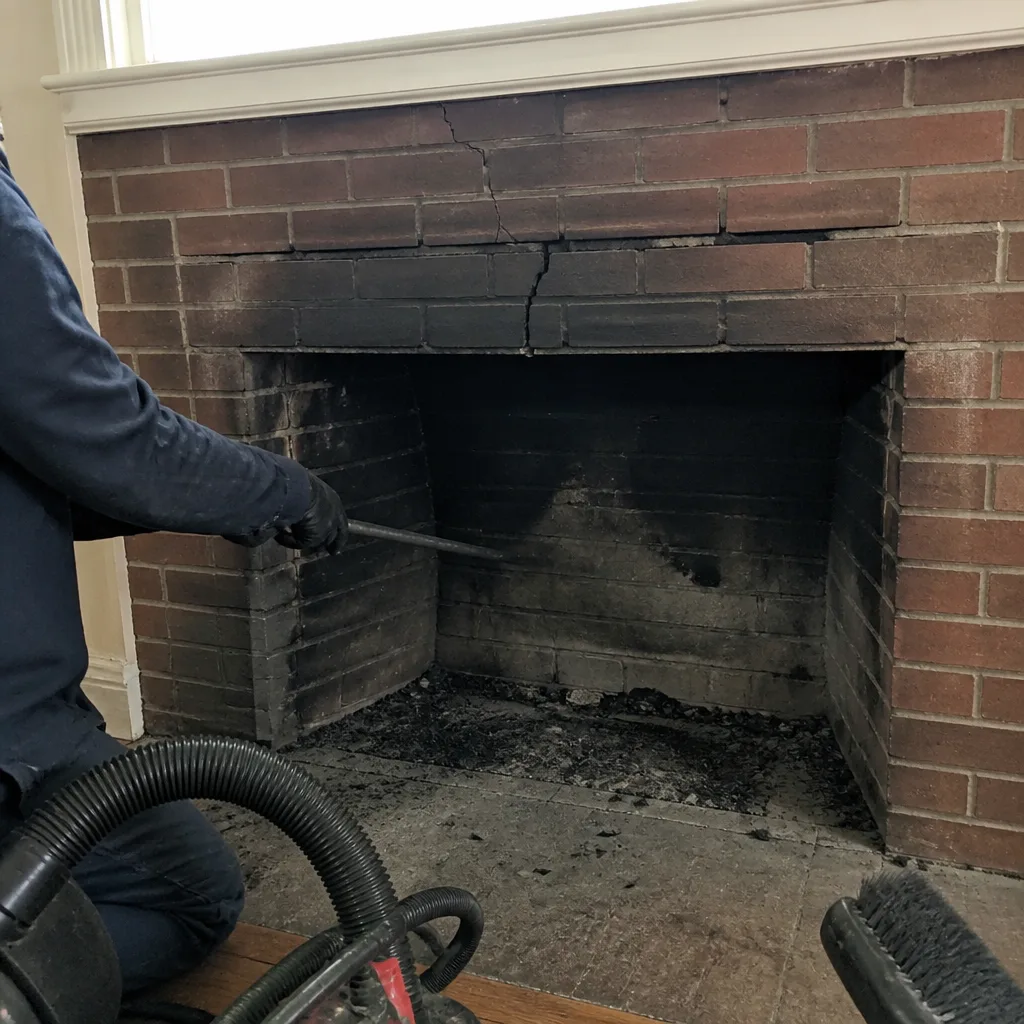 Before
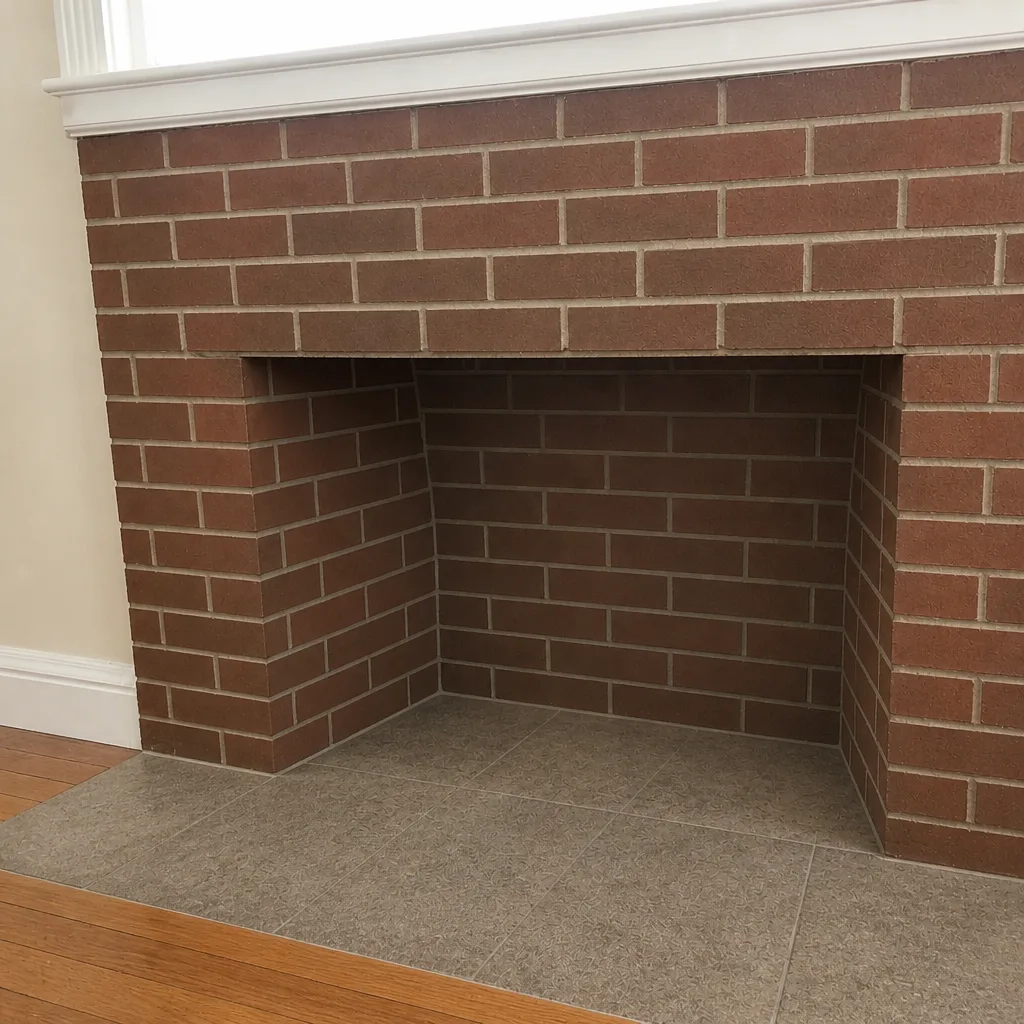 After
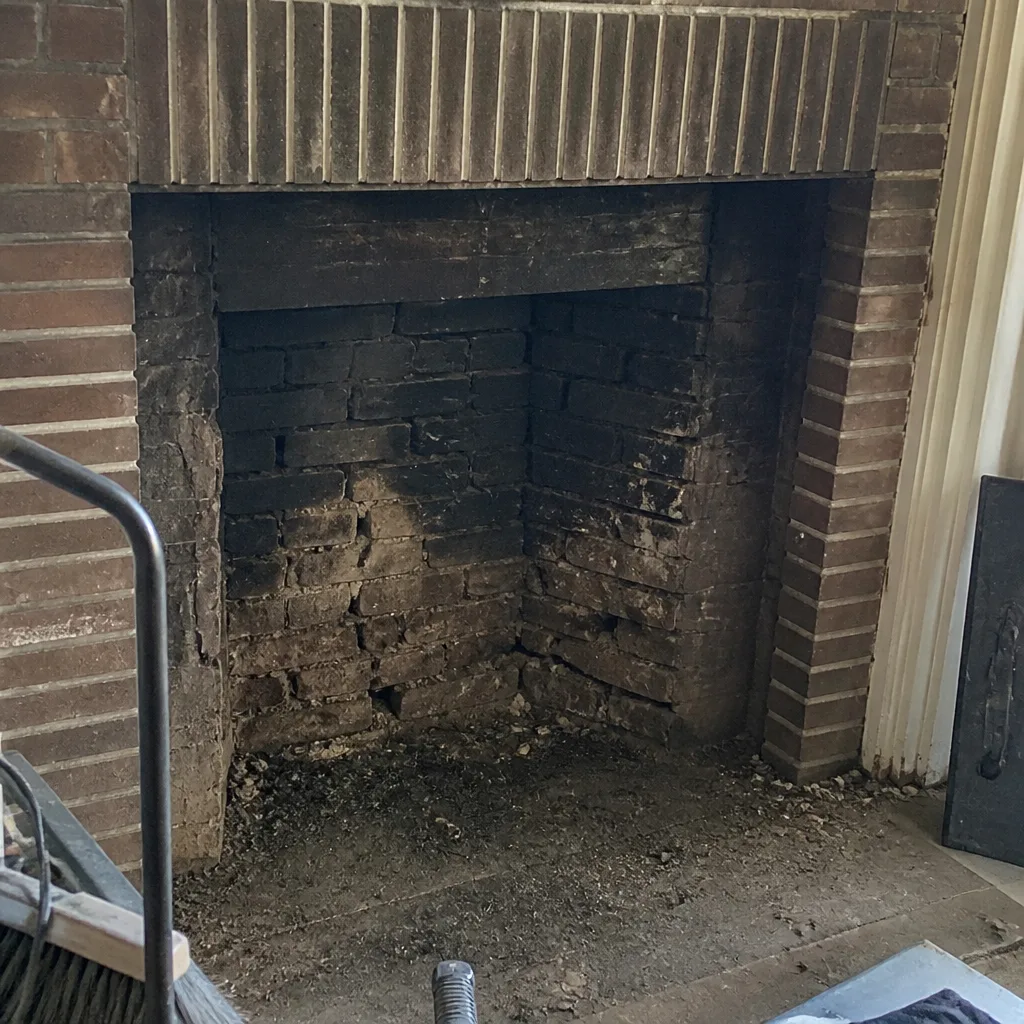 Before
 After
 Before
 After
Frequently Asked Questions
No. A routine chimney cleaning is maintenance work under New York State Building Code and doesn’t trigger a permit. Cases where permits typically apply begin when the scope changes to altering or repairing the chimney system, such as relining, rebuilding a crown, or replacing a flue section. Call (877) 523-6169 for a free estimate if you’re unsure which category your job falls into.
Yes, in most cases. Liner installation counts as alteration or repair work under the New York State Building Code, and it typically requires a permit through the City of Buffalo. The scope of the liner work and the fuel type matter, and the city makes the final call. A specialist familiar with North Buffalo procedures will tell you upfront which permits apply. Call (877) 523-6169 for a free estimate.
NFPA 211 is the national standard for chimneys, fireplaces, vents, and solid fuel-burning appliances. It defines three levels of inspection, and it’s the standard most insurers and real estate professionals reference when they ask about a chimney. A Level 2 inspection is often requested during a sale of an older North Buffalo home, and having that documentation on file makes the transaction go smoothly. Call (877) 523-6169 for a free estimate on a standalone inspection.
Ask for the permit number before work begins, and confirm it with the City of Buffalo permit office. Then request the inspection sign-off after the work closes out. A legitimate contractor will share these records without hesitation. A contractor who discourages permits for work that requires them is exposing you to risk. Call (877) 523-6169 for a free estimate.
Keep the permit number, the city inspection sign-off, the written estimate and invoice, any inspection report with flue photos, and manufacturer documentation for any liner product installed. Store both paper and digital copies. These records are what you’ll need at resale and if your insurer ever asks. Call (877) 523-6169 for a free estimate.
You can face complications when you sell the home or file an insurance claim. Unpermitted repair work is exactly the type of finding that can surface during a sale inspection or an insurance investigation, and it can lead to denied claims or a requirement to prove the work meets code after the fact. Getting the permit in the first place avoids that problem. Call (877) 523-6169 for a free estimate.
The Bottom Line
In North Buffalo, a routine cleaning needs no permit, but alteration and repair work on the chimney almost always does. The line sits at maintenance versus modification – if the work changes the physical chimney, expect a permit through the City of Buffalo and an inspection that confirms it meets the New York State Building Code. Know the jurisdiction, keep your documentation, and choose a contractor who brings up the permit question before you do. Whether the job is a routine sweep or a permitted reline, following the permit process is what protects your home at resale and in an insurance review.
For full-service chimney care – sweeping, inspection, cap work, and liner systems in the material lines that hold up through a Buffalo cold season – call Chimney Sweep North Buffalo. Our technicians have up to 13 years of experience, we offer free estimates in North Buffalo, and we’ll inspect first and recommend second. Whether it’s a cap from Olympia Chimney, a DuraFlex liner system for a tricky flue, a Gelco crown, or a Famco cover, the right material is matched to the job. For a chimney cap & crown or any repair, we’ll tell you upfront which permits apply. If you’re new to us, start with Chimney Sweep North Buffalo to see how we work.
Written by the team at Chimney Sweep North Buffalo.