
Last updated November 25, 2026
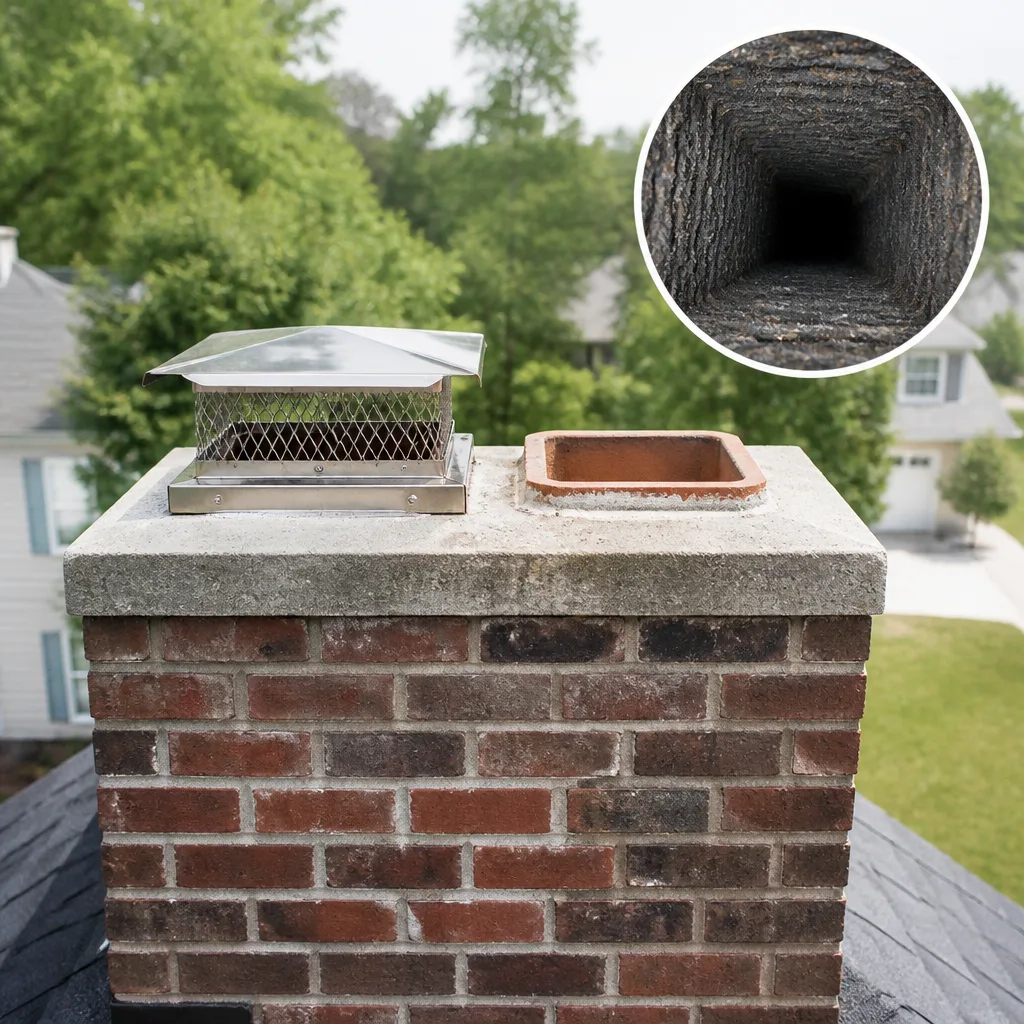 Sweep & inspection
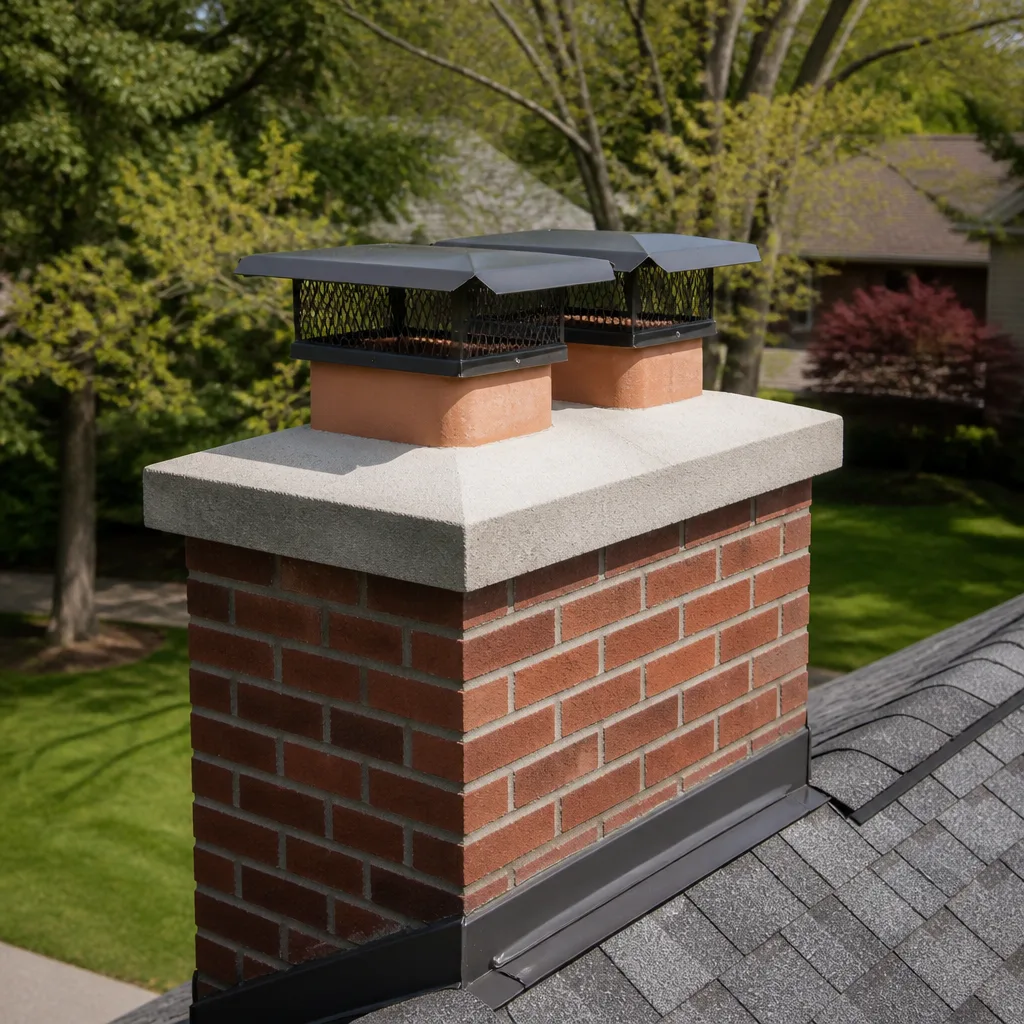 Caps & crowns
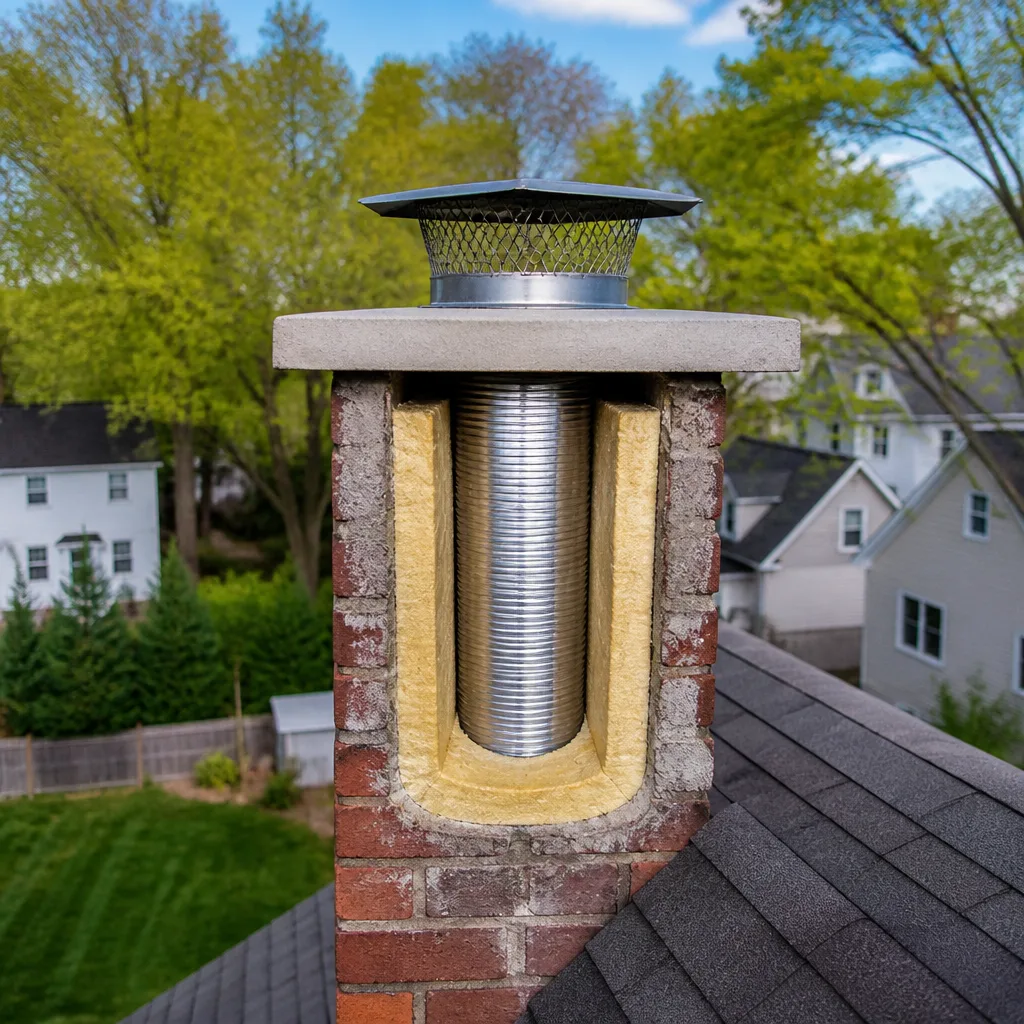 Flue relining
 Masonry repair
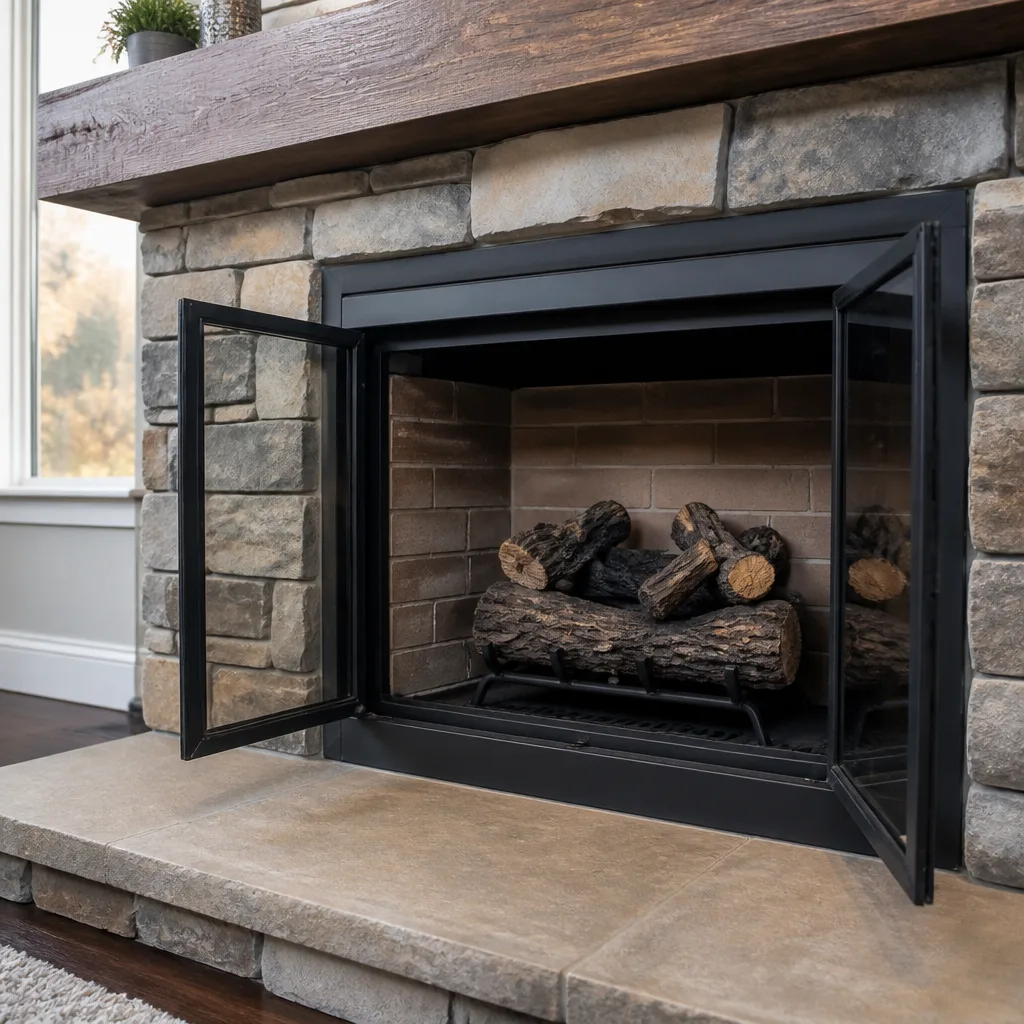 Gas fireplace service
Level 1 sweep and inspection to the NFPA 211 annual standard - flue, crown, cap, and flashing checked and photographed
Chimney sweep logs do not sweep chimneys. They loosen some creosote - which then falls where a brush and vacuum still have to collect it.
How to Hire a Chimney Cleaning Contractor in North Buffalo: A Step-by-Step Guide
Most homeowners assume the hard part of chimney care is finding someone with a certificate. It isn’t. The chimney trade has almost no barrier to entry: anyone can buy a brush set, print a business card, and call themselves a sweep by the end of the week. Certification matters, but it’s the floor, not the ceiling. There are certified sweeps who’ve never run a rotary cleaning system on a heavily glazed flue, and there are uncertified tradespeople who’ve swept more chimneys than most inspectors will see in a decade. What actually protects you is knowing what to ask beyond the certificate. This guide walks through the specific vetting criteria that separate a North Buffalo chimney specialist from a generalist looking to add a chimney line item to the invoice.
Quick Answer
To hire a chimney cleaning contractor in North Buffalo, confirm four things before you book: that a camera inspection with a photo report is included in the sweep, that the technician can show general liability and completed operations insurance coverage, that the written estimate itemizes every line, and that the contractor specializes in chimneys rather than treating it as a side service. Ask what cleaning method they use, ask what happens if the flue has glazed creosote, and ask who performs any repair work. The answers separate specialists from generalists faster than any review score.
Styles & brands we work with
- Sweep & inspection
- Caps & crowns
- Flue relining
- Masonry repair
- Gas fireplace service
Table of Contents
- The Five Questions to Ask Before You Book
- What a Legitimate Written Estimate Should Itemize
- Why the Lowest Bid Often Means No Camera Inspection
- What Proper Insurance Coverage Looks Like for Chimney Work
- Red Flags in Contractor Reviews Most Homeowners Read Past
- How North Buffalo Weather Shapes When and How Often to Book
- What Material Lines a Real Chimney Contractor Should Carry
- Step by Step: How a Proper Booking Should Work
The Five Questions to Ask Before You Book
These are the questions most homeowners never think to ask. Each one exposes whether you’re talking to a chimney specialist or someone with a brush and a flexible schedule.
- “Do you do a camera inspection as part of the sweep, and do I get a photo report?” A specialist never treats video inspection as an optional add-on. If the answer is vague or the camera is “extra,” you’re paying for a surface clean that tells you nothing about the liner.
- “What cleaning method do you use, and how do you handle glazed creosote?” Standard brushing doesn’t cut glazed, tar-like creosote. A real sweep knows the difference between routine soot and stage-three glaze and can tell you what tooling or chemical treatment gets it off.
- “Who performs the repair if one is needed?” If the answer involves a subcontractor or a handoff to another company, you’ve lost continuity. The best work happens when the same outfit that inspects also installs the cap, crown, or liner.
- “What brands and materials do you install?” A chimney specialist names professional-grade lines. A generalist says “we use whatever’s available at the supply house.” Ask which liner system they use and whether they carry more than one option for different flue conditions.
- “Are you insured, and can I see the certificate of insurance?” This one deserves its own section below, but ask it before booking. A serious contractor sends the certificate without hesitation.
Write the answers down. If two contractors give you the same sharp, specific answers and one gives you a vague one, you already know who to call back. In our experience, the questions themselves are a filter: the specialists answer them in seconds, and the generalists stall.
What a Legitimate Written Estimate Should Itemize
A real chimney estimate tells you exactly what’s being done, on which part of the system, with what materials, for what price. Anything less is a number without a meaning attached.
Here’s what “cleaning and inspection” on a line item usually hides. It could mean a brush pass with a flashlight check from the firebox, or it could mean a full sweep plus camera video plus a written report with photos. Those are different jobs with different scopes, and if the estimate doesn’t spell out which one you’re buying, you don’t know what you’re paying for.
What a proper estimate itemizes
- Scope of the sweep – which flue or appliance, how many flues if the chimney has more than one, and whether the smoke chamber is included.
- Inspection method – camera inspection up the flue, and whether a photo report is delivered.
- Materials and brands – if a cap, crown, or liner is part of the job, the specific product line and what it’s made of.
- Access and roof work – how the technician gets to the top, and whether roof access is part of the price.
- Total labor and total materials – broken out, not bundled into one number.
- A stated final-price condition – the written estimate sets the price for the scope described, and any change requires your approval first.
Vague line items are one of the most common things we see when a homeowner brings a competing estimate to us for comparison. “General chimney service – $450” isn’t an estimate. It’s a placeholder. Ask for the itemization in writing before anyone gets on the roof.
If the estimate includes a repair, ask what the repair solves. A cracked crown resealed with the right masonry product is a straightforward fix. A liner recommendation should come with camera footage you can look at yourself, not just a technician’s word. You should never feel pushed into masonry or liner work you can’t verify. If the recommendation comes with photos and video you can actually see, you’re being given evidence. If it doesn’t, ask for it.
Why the Lowest Bid Often Means No Camera Inspection
A camera inspection takes time, it takes equipment, and the technician has to document what the camera sees. That’s the part of the job most cheap bids strip out. The lowest quote you get often reflects a sweep that skips video entirely, which means the technician can’t see a deteriorated liner, a gap in the flue tile, or a hidden crack above the smoke chamber. You find out about those things the expensive way: with a chimney fire, a carbon monoxide problem, or a repair that was much smaller two years ago.
Before you book, ask two questions directly:
- “Is camera inspection included in the sweep price, or is it extra?”
- “Will I receive photos or video of the flue from top to bottom?”
If either answer is unclear, the sweep you’re pricing is not the sweep you want. A chimney sweep in North Buffalo that skips the camera isn’t saving you money. It’s deferring a cost you’re going to pay later with interest.
Camera inspection is also where honest recommendations start. Some flues are fine and can wait. Some liners need attention this season. A contractor who shows you the footage is giving you the evidence to decide; a contractor who won’t is asking you to take their word. Ask to see the video before you authorize any repair. If we don’t have the video, we don’t have a recommendation worth making.
What Proper Insurance Coverage Looks Like for Chimney Work
Most homeowners check for “insured” and stop there. For chimney work, the coverage you need to see has two parts, and the second one is the part nearly every homeowner forgets to ask about.
General liability insurance covers damage that happens on the job while the technician is there. It’s what protects you if someone trips off a ladder into your gutter, or a tool drops and cracks a chimney tile. That’s the coverage you’ll see on a standard insurance certificate, and it’s essential.
Completed operations coverage is the extension of a general liability policy that responds to problems arising after the work is finished. If a liner installed today fails next winter and water gets into the flue structure, or a crown doesn’t hold and the chimney leaks, completed operations is what’s supposed to respond. A contractor can have a valid general liability policy that doesn’t include completed operations approval. Ask specifically: “Does your policy include completed operations coverage?”
A contractor who carries both will read the question as routine. A contractor who doesn’t will get vague or change the subject. Chimney work is roof-height, weather-exposed, and structural; the right insurance is a basic indicator that the contractor is treating it as trade work and not a side hustle.
Red Flags in Contractor Reviews Most Homeowners Read Past
Review scores tell you how people felt about the visit. They don’t tell you what scope of work was done. Here’s what to actually look for.
- Suspiciously uniform five-star patterns. Real reviews have texture. If every review is two sentences, all posted within the same few weeks, and none of them mention a specific part of the job, they may not be independent.
- Reviews that mention a price but no scope. “Great price, fast service” tells you nothing. “Swept two flues, showed me the camera video, replaced the cap the same day” tells you everything.
- Reviews that describe a repair being recommended before the camera came out. If a reviewer mentions a liner quote handed to them on the way to the truck, treat that as a pattern and not an isolated bad day.
- Nothing but sweep reviews. A specialist that does cap, crown, and liner work should have reviews mentioning that work too. A profile with 80 sweeps and zero cap or liner reviews may be a company that subcontracts repair work.
- No response to critical reviews. A specialist has reputational skin in the game and responds to a bad review with specifics or a resolution. A no-comment pattern is not the same as a good record.
- Reviews that mention the “chimney” service alongside HVAC, roofing, or gutter work in the same visit. A chimney specialist shouldn’t be building a multi-trade resume. Cross-trade work is often where the review pattern gets thin.
Read reviews for scope, not sentiment. That single shift surfaces the good contractors and quietly eliminates the copycat profiles.
How North Buffalo Weather Shapes When and How Often to Book
North Buffalo heats with wood for roughly half the year, and that changes the booking calendar in ways that surprise new fireplace owners. Chimneys that see heavy usage through the cold months accumulate creosote faster than the once-a-year rule suggests, and the shoulder seasons – when the furnace is running but the fireplace isn’t – are often the best time to book a sweep and inspection.
The reason is simple: a technician who can get on the roof and up the flue in cool, dry weather can inspect the whole system without fighting snow, ice dams, or wet crown surfaces that make the video unclear. Booking in the fall, before the first hard freeze and before burning season picks up, means the inspection is clean and the cap and crown can be repaired before the winter puts load on them.
How often should you book? The general rule most chimney professionals follow is once a year for a wood-burning fireplace or stove in active use, and more often if you burn unseasoned wood, burn softwoods, or notice smoke rolling back into the room. In North Buffalo, where burning season runs long and chimneys sit exposed to freeze-thaw cycles for months, we see glazed creosote and spalling crowns develop faster than in milder climates. A sweep and camera inspection each fall is the schedule that catches those things while they’re still cheap.
What Material Lines a Real Chimney Contractor Should Carry
Ask what the contractor installs for liners, caps, and crowns and listen for brand names you can look up. A specialist works with professional-grade product lines from dedicated chimney suppliers. Here’s why that matters for the choice you’re making.
Liner systems. A flue that needs relining doesn’t need one universal product. Some flues take a rigid liner; some need a flexible system that can handle offsets and turns. A contractor who works with DuraFlex flexible liner systems can fit a flue where rigid liner won’t go. A contractor who works with HeatShield resurfacing can restore a deteriorated but structurally sound flue without a full reline. Those are two different tools, and the right choice depends on what the camera saw. If a contractor only offers one, they’ll tend to recommend the one they have.
Caps and crowns. A cap is the first line of defense against water, birds, and debris, and a crown is the masonry or concrete that sheds water off the top of the chimney. Both should be sourced from chimney-specific product lines like Gelco, Olympia Chimney, or Famco – not a generic hardware-store cap sized to fit. A cap that’s the wrong size or the wrong material won’t keep out what it’s supposed to keep out, and a patch-cement crown won’t survive North Buffalo freeze-thaw the way a properly formed one does. Proper chimney cap & crown work is one of the highest-value, lowest-cost fixes a chimney system can get, and the material quality is the entire difference.
Ask which brands the contractor carries and whether they use more than one for different jobs. A one-brand answer isn’t disqualifying, but a specialist who works with several lines can match the product to the flue instead of matching the flue to the product.
Step by Step: How a Proper Booking Should Work
A booking with a real chimney specialist has a predictable shape. Here’s what the sequence should look like, in order.
- You call and describe the system. How many fireplaces, whether you have a stove, when you last had it swept, and whether you’ve noticed smoke, odor, or water. This is where a specialist starts narrowing down the right scope.
- You get a written estimate covering the scope. Sweep, camera inspection, and any known repair candidates itemized. The price is set per job by the written estimate.
- The technician arrives and sweeps. Standard brushing, with rotary tooling for heavier deposits, and containment so soot doesn’t spread through the house.
- The camera goes up the flue. Top to bottom, with video documentation of what’s found. Any repair recommendation comes with the footage to support it.
- You get a written report with photos. Not a verbal walkthrough on the way out. Something you can keep and compare next year.
- Repairs are quoted only if the inspection supports them. And when the repair is a cap, crown, or liner, it should be scheduled with the same company that inspected.
If any step gets skipped, ask why. Any of the six can be missing for a legitimate reason, but the reason should be explained, not glossed over. When it’s time to book a Chimney Sweep North Buffalo, this is the sequence to expect. When it’s time for a chimney repair, the sequence should pick up exactly where the inspection left off.
Common Mistakes to Avoid
- Booking the cheapest sweep and assuming inspection is included. It often isn’t. Cheap invoices usually reflect a shorter scope, and the missing part is the camera inspection that would have caught the problem.
- Accepting a liner or crown quote without video evidence. A repair recommendation without footage you can see isn’t a diagnosis – it’s a guess. Ask for the video before you sign.
- Hiring a “chimney” contractor who also does roof repairs and gutters. Generalists add chimney work as an upsell and tend to subcontract the parts that need specialty materials. The chimney isn’t the job they know best.
- Skipping the completed-operations insurance question. General liability alone doesn’t cover you if the work fails a season later. Ask about both.
- Booking only in December. Winter bookings in North Buffalo mean snow on the roof and wet flue surfaces that make the inspection harder to read. A fall sweep gives you a clean look and time to fix what it finds.
- Ignoring spalling crowns and rusted caps. Water is the most common cause of chimney damage in this climate. A failing crown or cap gets worse every freeze-thaw cycle and turns a small repair into masonry work.
- Reading reviews for five stars instead of for scope. A pattern of reviews that only mention “fast” and “cheap” is a warning about what the job didn’t include.
See the difference
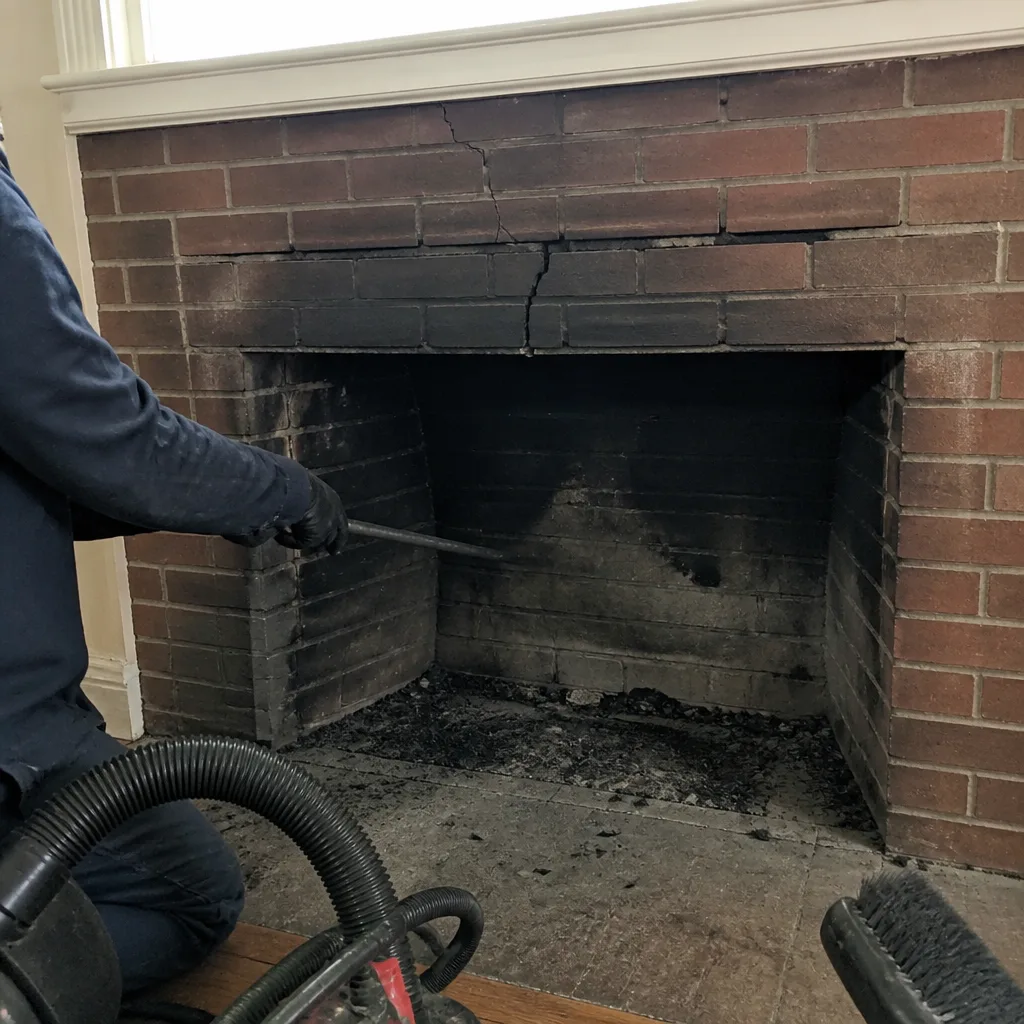 Before
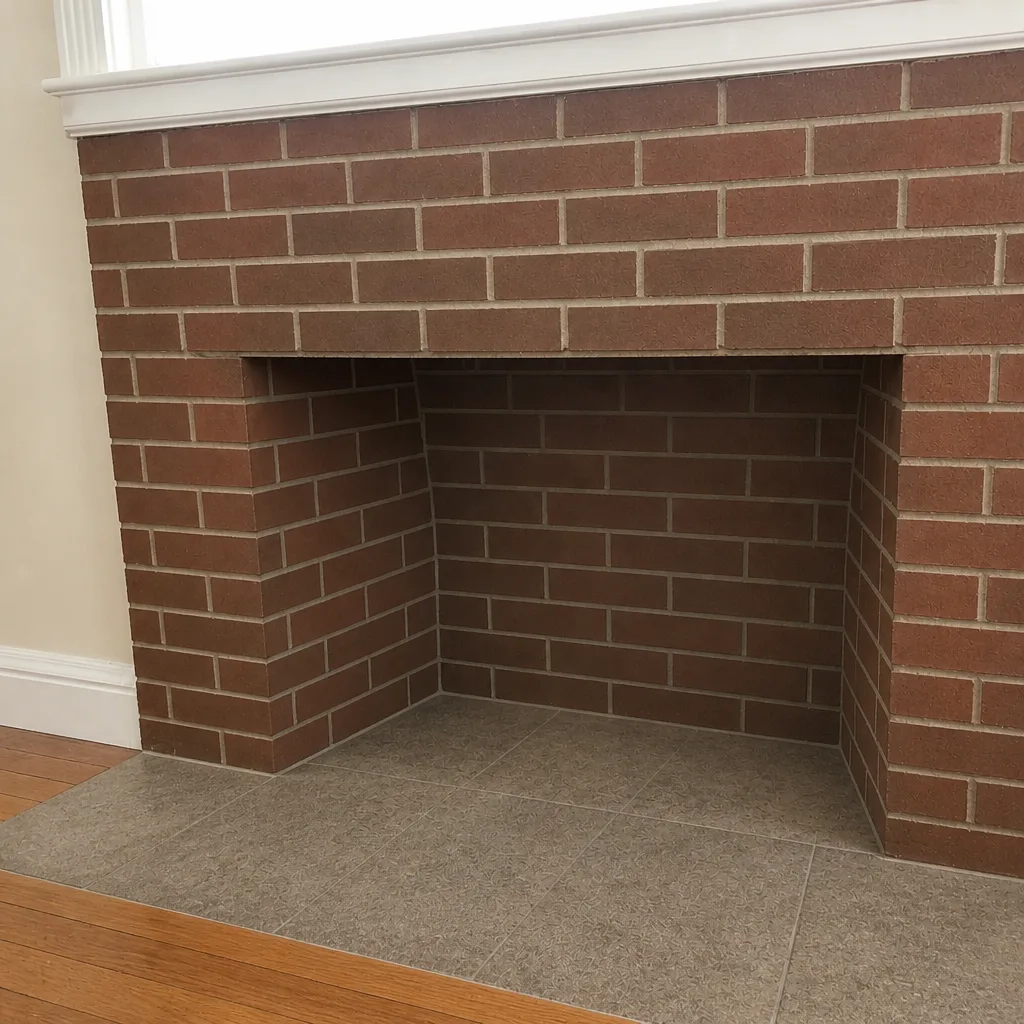 After
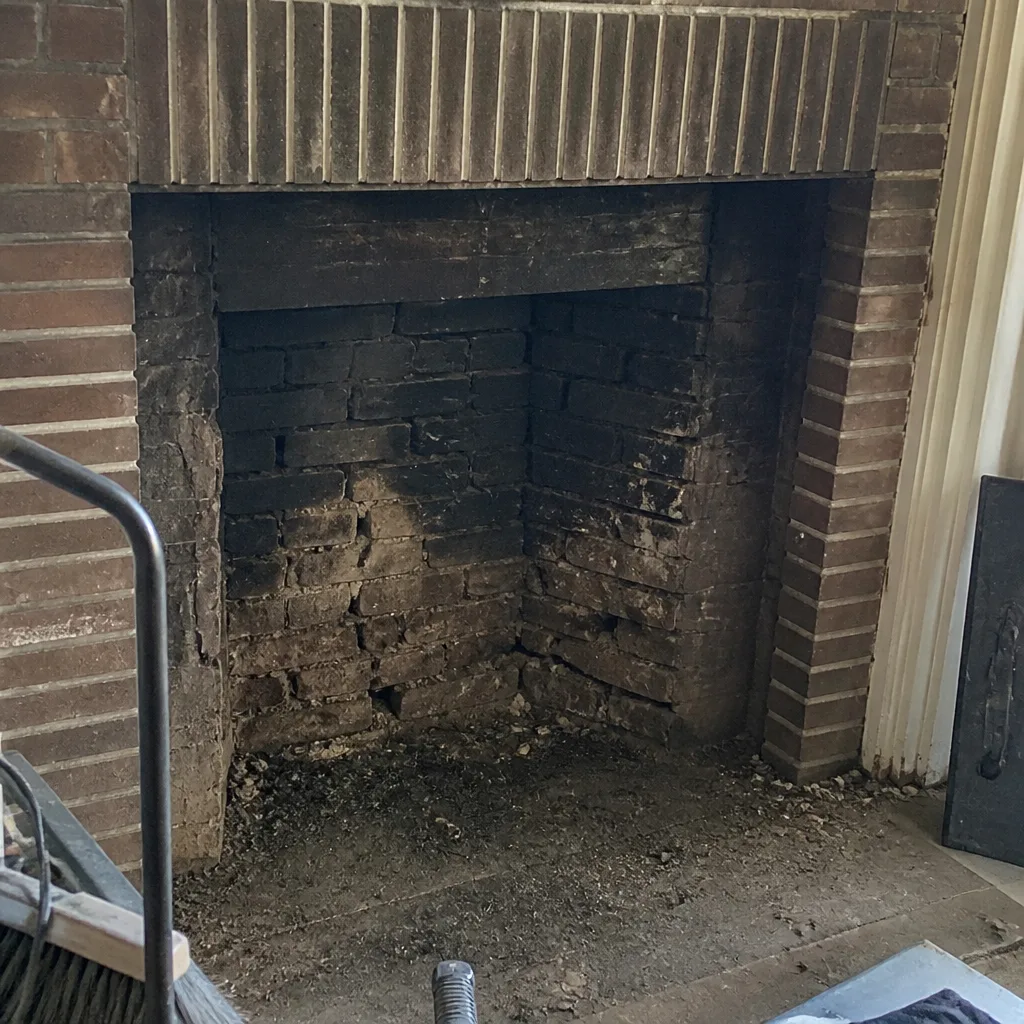 Before
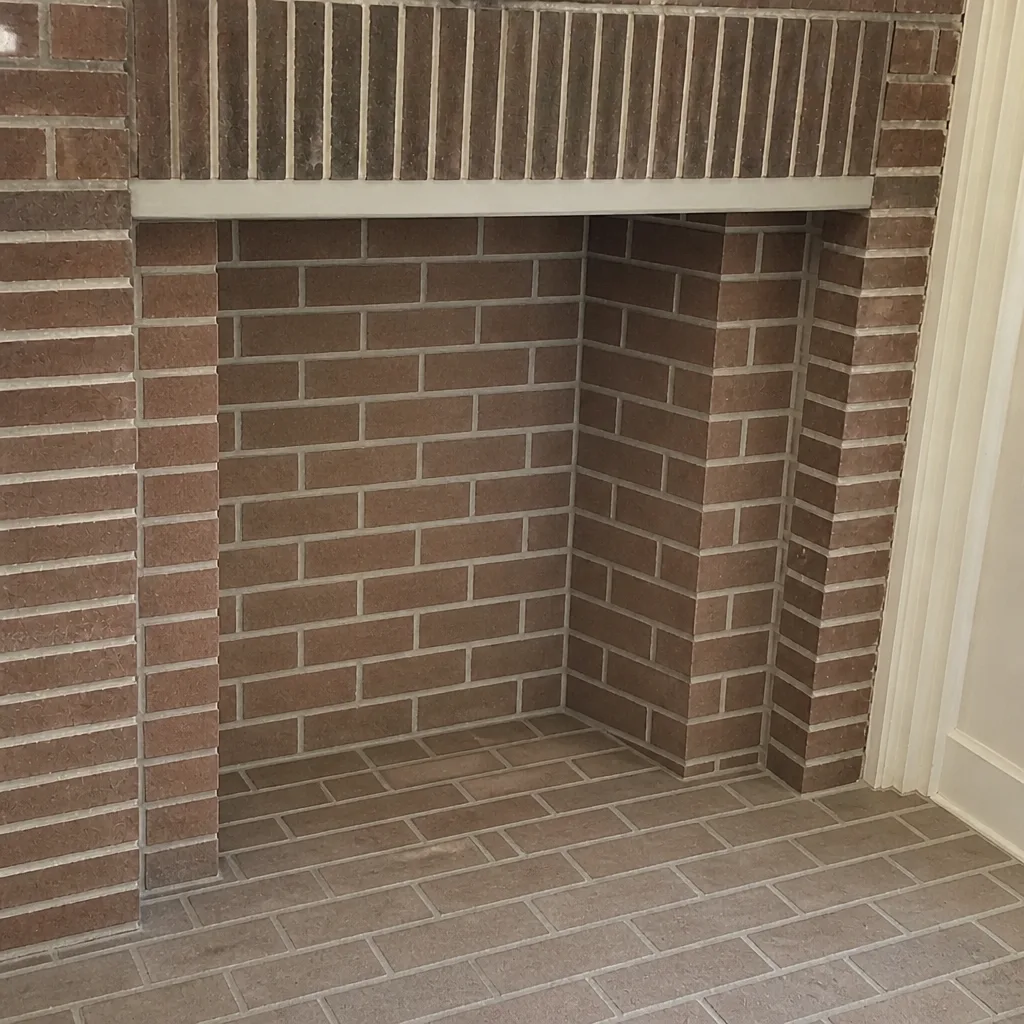 After
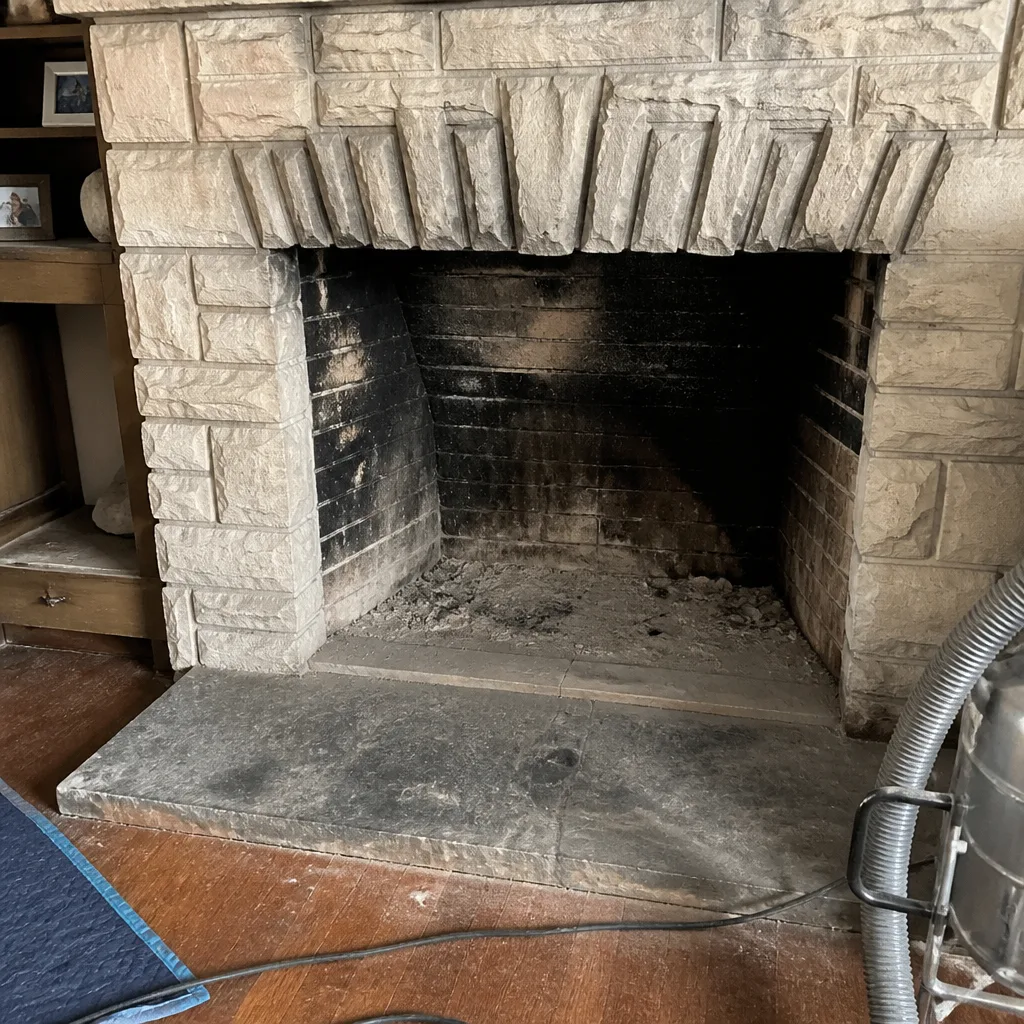 Before
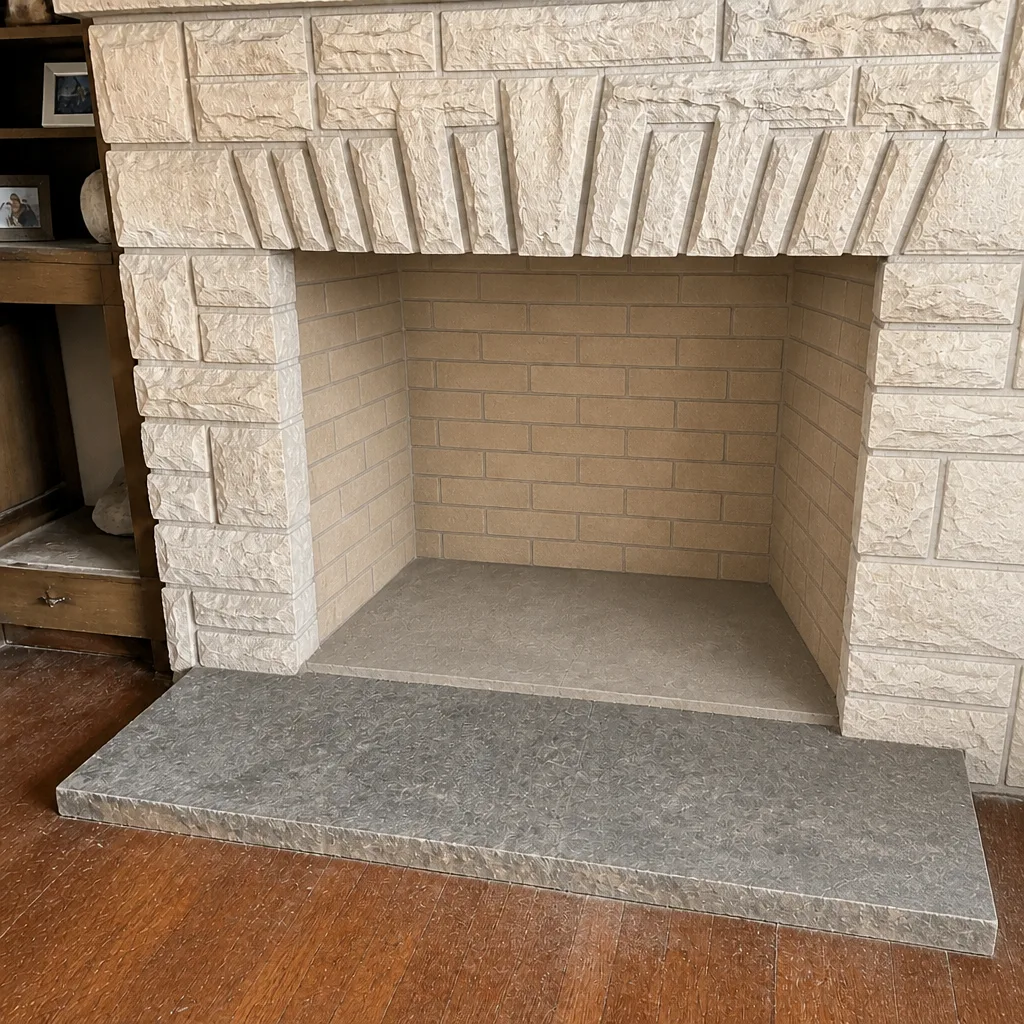 After
When to Call a Professional
Call a chimney professional if you’ve burned more than a cord of wood this season, if it’s been more than a year since the last sweep, if you’ve ever had a chimney fire (even a small one you put out yourself), if the flue liner is cracked or missing, or if you smell smoke or a strong odor from the fireplace when it’s not in use. Call too if a home inspector, an insurance company, or a previous technician recommended liner or masonry work you weren’t sure about – a specialist’s camera inspection can confirm what’s actually needed and tell you plainly if the work can safely wait.
There are also the hard signals that make the call urgent: visible creosote buildup in the flue, a carbon monoxide alarm that’s gone off near a wood-burning appliance, or a chimney cap or crown that’s come loose or cracked after a storm. None of those should wait for a seasonal appointment. Chimney Sweep North Buffalo offers free estimates in North Buffalo – call (877) 523-6169. We answer 24/7. Fast dispatch from 7am to 7pm, Sunday through Friday.
A brief safety note that matters here: creosote ignition and carbon monoxide are the two reasons chimney work is not DIY work. A badly swept flue or a liner repair done without the right material can fail in ways you can’t see from the firebox. A trained professional with a camera and the right product line is the safety step, not the luxury step.
Frequently Asked Questions
A standard chimney sweep in North Buffalo is typically priced per job, and the written estimate sets the final price after the technician confirms scope – one flue or more, whether the smoke chamber is included, and whether any repair is needed. Call (877) 523-6169 for an exact quote – estimates are free. We answer 24/7. Fast dispatch from 7am to 7pm, Sunday through Friday.
Not always. Many flues that come with a “new liner” recommendation can be restored with HeatShield resurfacing if the structure is sound, and some flues don’t need liner work at all yet. The only way to know is a camera inspection with a photo report, and you should see the footage yourself before approving anything. Ask the contractor to show you what they’re looking at. If they can’t, get a second opinion.
Once a year for an actively used wood-burning fireplace or stove is the standard, and more often if you burn unseasoned wood or softwoods. In North Buffalo, a long burning season and hard freeze-thaw cycles mean an annual fall sweep and camera inspection is the right baseline for most homes. If you’ve had a chimney fire, even a small one, book before the season starts regardless of schedule.
Creosote accumulates in the flue, and at a certain thickness it can ignite. That’s a chimney fire, and it can damage the liner even if it’s small. Carbon monoxide can also back up into the home if the flue is restricted. Skipping a year occasionally isn’t a crisis for a lightly used fireplace, but skipping two or three in a heavily used North Buffalo home is where the risk compounds. When in doubt, book a camera inspection and let the footage tell you how much time you have.
Yes. A chimney sweep removes soot and creosote; an inspection evaluates the condition of the whole system – flue, liner, cap, crown, and firebox – with a camera. A good booking includes both, and the inspection findings should be delivered in a written report with photos. If a company only offers one and treats the other as an add-on, ask whether the sweep you’re buying includes the camera inspection and the report.
Ask which liner, cap, and crown product lines the contractor installs. A specialist works with professional-grade chimney materials like DuraFlex flexible liner systems, HeatShield resurfacing, and caps and crowns from Gelco, Olympia Chimney, or Famco – not generic substitutes. The material matters more than most homeowners realize. The wrong cap on a North Buffalo chimney or a crown made of patch cement instead of a formed concrete mix is the kind of failure that shows up a winter later.
The Bottom Line
Hiring a chimney cleaning contractor in North Buffalo comes down to asking the questions most homeowners never think to ask. Confirm that a camera inspection with a photo report is included in the sweep, that the contractor carries both general liability and completed operations coverage, that the written estimate itemizes the scope and the materials, and that the contractor works with professional-grade product lines. Read reviews for scope, not sentiment. Treat the lowest bid as a signal to ask what it excludes. If any answer is vague, ask again. A specialist will answer clearly and show you the footage; a generalist will stall. That contrast tells you everything.
When you’re ready to book, call Chimney Sweep North Buffalo at (877) 523-6169 for a free estimate. We answer 24/7. Fast dispatch from 7am to 7pm, Sunday through Friday. Our technicians have up to 13 years of experience, and our inspections use camera video you can see for yourself before any repair is recommended.
Written by the team at Chimney Sweep North Buffalo.
We connect North Buffalo homeowners with independent local chimney professionals who perform the work. The pros we connect you with are licensed and insured as their state requires. Estimates are free and the written estimate sets the price for the scope described.