
Last updated November 25, 2026
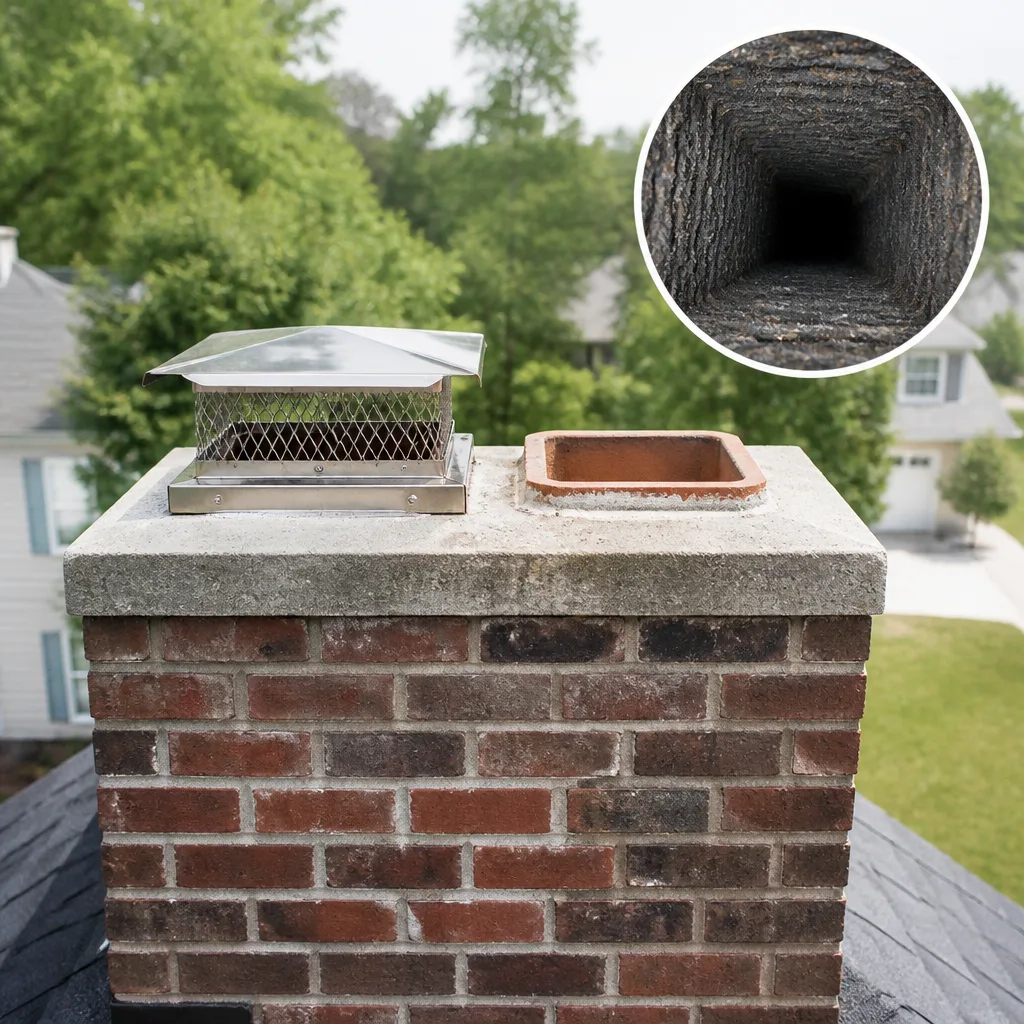 Sweep & inspection
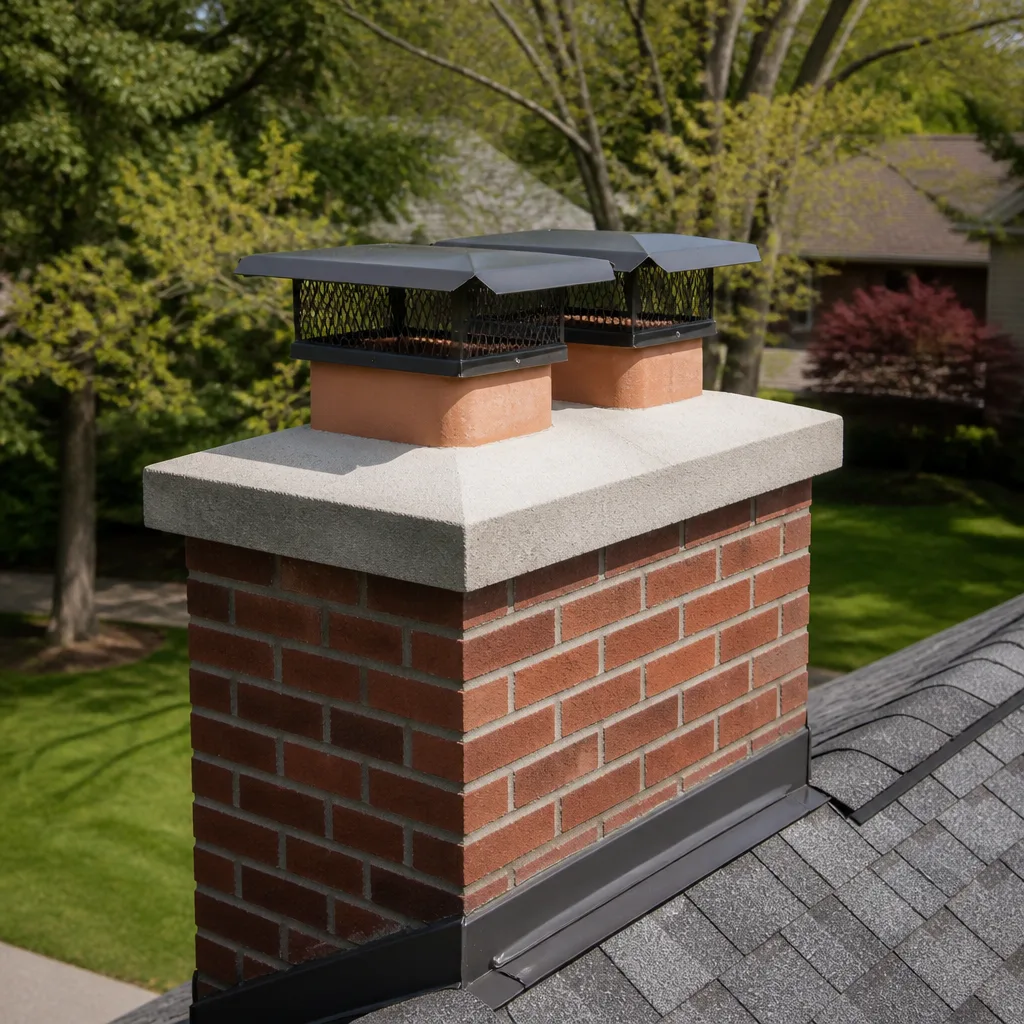 Caps & crowns
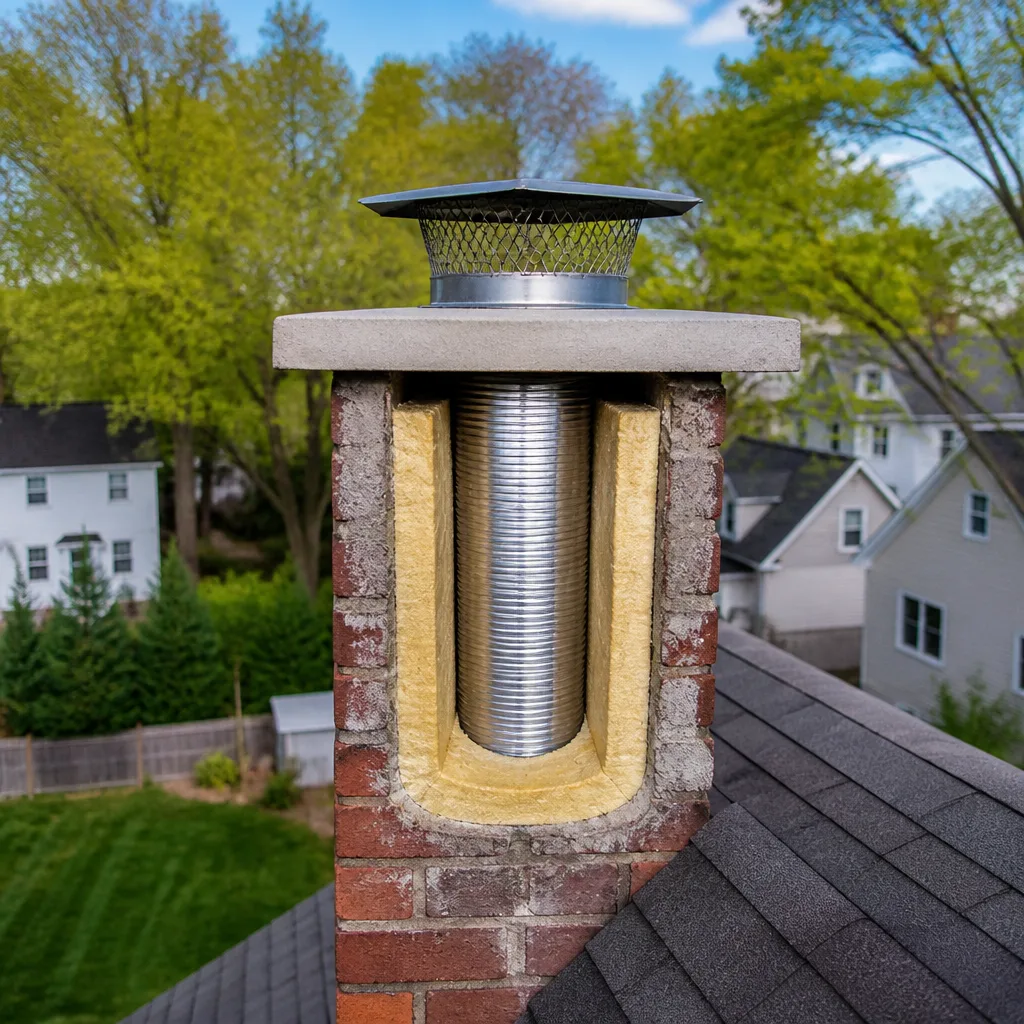 Flue relining
 Masonry repair
 Gas fireplace service
Level 1 sweep and inspection to the NFPA 211 annual standard - flue, crown, cap, and flashing checked and photographed
Chimney sweep logs do not sweep chimneys. They loosen some creosote - which then falls where a brush and vacuum still have to collect it.
Seasonal Chimney Cleaning Care for North Buffalo: Year-Round Homeowner’s Guide
Most North Buffalo homeowners treat chimney care as an October chore: call someone, get it swept, light the first fire. That timing is backwards. Late August is when a sweep does the most good and the most neglected month for chimney service, because the flue has spent July and August holding humidity against clay tile and mortar, and nobody has looked inside it. Homeowners who wait until the first cold snap are lighting fires in a system that sat wet all summer without inspection. What follows maps chimney care to what’s actually happening to your system in each season here, from the freeze-thaw cycles that run November through March to the fall leaf load that clogs caps on mature trees, and it explains why one sweep a year is not a schedule every North Buffalo chimney can live with.
Quick Answer
In North Buffalo, chimney care is a four-season job, not a fall errand: inspect in late summer before moisture damage gets mistaken for creosote, check cap, screen, and damper before first use in fall, sweep based on how much wood you actually burn, and handle crown sealer and any acid washing in spring before summer humidity sets in. A single cord burned over a winter and three cords burned over the same winter require completely different sweep intervals. The system that survives Buffalo weather is the one that gets looked at when nothing is burning, not the one that gets swept once the season is already on top of you.
Styles & brands we work with
- Sweep & inspection
- Caps & crowns
- Flue relining
- Masonry repair
- Gas fireplace service
Table of Contents
- Why Buffalo’s Climate Doesn’t Give Chimneys an Off-Season
- What Summer Humidity Does to Masonry and Clay Tile
- Why Summer Moisture Damage Gets Mistaken for Creosote in Fall
- Freeze-Thaw Cycles and Your Flue, November Through March
- The Fall Checklist Before First Use
- How Much Wood You Burn Changes Your Sweep Interval
- Spring Tasks That Prevent Next Year’s Problems
- The Four-Season Care Calendar at a Glance
Why Buffalo’s Climate Doesn’t Give Chimneys an Off-Season
Chimney damage in North Buffalo doesn’t happen in one dramatic event. It happens because the system never gets a rest. Summer holds moisture in the masonry, fall drops leaves and debris onto caps, winter drives freeze-thaw cycles through clay tile and mortar joints, and spring brings the thaw that exposes whatever the winter cracked. By the time a homeowner notices something wrong, the problem has usually been building for two or three seasons.
That’s a different pattern than milder parts of the country, where a chimney can dry out for months and a single annual sweep covers it. Here, moisture gets trapped. Masonry is porous by nature, and the same summer humidity that makes a North Buffalo afternoon feel heavy settles into brick, mortar, and clay tile. It doesn’t drain away quickly. It sits there until the first hard freeze, and then it expands.
The practical consequence is that chimney care here works best as a loop rather than a single appointment. You’re not paying for one sweep a year and forgetting the system. You’re checking the cap and screen after storm season, testing the damper before cold weather, watching for efflorescence and spalling on the exterior stack, and scheduling the sweep based on how much you’ve actually burned. A homeowner on a well-timed loop catches small problems while they’re still small.
What “seasonal” actually means in North Buffalo
When we talk about seasonal care, we mean four distinct windows, each with its own priorities:
- Late summer (August into early September): inspection, moisture assessment, sweep before the burn season. This is the most important window and the most ignored.
- Fall (September into October): cap and screen check, animal intrusion inspection, damper function test, and confirmation that last year’s sweep is still clear.
- Winter (November into March): monitoring. Watch the fire, watch your smoke, and know what creosote buildup looks and smells like from the outside.
- Spring (April into May): post-season assessment, crown sealer application, acid washing where needed, and any liner repair before summer moisture takes hold.
Neighborhoods around Hertel Avenue and the blocks off Delaware Avenue tend to hold mature trees, which means a heavy fall leaf load against caps and screens. That’s a local condition worth building into your fall routine; leaves packed against a screen don’t just block the cap. They hold moisture against the metal and the masonry below it.
What Summer Humidity Does to Masonry and Clay Tile
Masonry is not waterproof. Brick, mortar, and clay flue tile pull moisture out of the air, and Buffalo summers are humid enough to keep a chimney stack saturated for months. That moisture has two effects: it weakens the material and it sets up the winter damage that follows. A chimney that dries out thoroughly before hard freeze comes through winter far better than one that goes into November already wet.
Clay-tile flues are especially vulnerable. The tile absorbs moisture through fine cracks, hairline fissures, and degraded mortar joints, then expands when that moisture freezes. Over repeated cycles, the tile can spall – flake off in layers – and mortar joints can crumble. What starts as a hairline crack becomes a gap that lets combustion gases escape into the structure instead of up the flue.
Unlined chimneys carry a bigger risk. A flue with no liner has nothing between the combustion gases and the surrounding masonry, and masonry that stays damp has less resistance to the acids in flue gas. This is the situation where a professional-grade liner solution earns its keep. A DuraFlex flexible liner system can follow the shape of a flue that a rigid liner won’t fit, and HeatShield resurfacing is designed specifically to restore a deteriorated flue liner without a full relining job. Both are legitimate options depending on the condition of the flue; the right one comes out of inspection, not a sales pitch.
Signs of summer moisture damage to check on your stack
- White chalky staining on the exterior brick – that’s efflorescence, moisture moving through the masonry and leaving salts behind.
- Flaking or powdery brick faces near the roofline, which points to spalling.
- Crumbling mortar joints you can probe with a screwdriver.
- Rust staining or streaks below the cap, which often means water is getting past the crown.
- A musty smell from the firebox in humid weather.
If you see any of these, an inspection should happen before the burn season. The exterior is the easy part to read; what’s happening inside the flue is the part only a camera can show you.
Why Summer Moisture Damage Gets Mistaken for Creosote in Fall
Here’s the mistake we see most often in North Buffalo: a homeowner waits until October, calls for a sweep, and the technician finds a flue with flaking, glazed-looking buildup. It gets treated as heavy creosote. Sometimes it is. But sometimes what’s on the flue is not creosote at all – it’s spalled clay tile, deteriorated mortar, or efflorescence from a summer of moisture that never fully dried. Treating moisture damage as if it were a creosote problem means sweeping harder, brushing more aggressively, and potentially damaging tile that was already compromised.
The reverse also happens. A homeowner has an inspection in fall, the flue looks rough, and the assumption is moisture damage – when the real issue is genuine creosote buildup from last season that never got swept. Sweeping alone won’t fix a moisture problem, and moisture treatment won’t remove creosote. They need different responses, and you can’t tell them apart from the firebox.
How a late-summer inspection separates the two
- Visual assessment of the exterior stack for efflorescence, spalling, and crown condition.
- Interior camera inspection of the flue to see buildup, tile condition, and joint integrity.
- Moisture reading where the technician has the tools to check it, which distinguishes damp masonry from dry buildup.
- Written findings with photos so you can see what the technician sees, not just take a description on faith.
- Recommendation tailored to the condition – sweep only, resurfacing, relining, or simply wait and watch.
A professional inspection is a standalone service, not a sales funnel attached to every sweep. That distinction matters. You should be able to book an inspection, get a written report with images, and be told plainly if the chimney is fine and doesn’t need work. If you’re ever told you need a liner or masonry repair you can’t verify, ask to see the camera evidence.
If your inspection does turn up liner damage that needs correcting, that’s a chimney repair conversation – and one worth having before winter, not during it.
Freeze-Thaw Cycles and Your Flue, November Through March
Buffalo winters push masonry through repeated freeze-thaw cycles, and the damage is cumulative. Water gets into a crack or a porous brick face. It freezes overnight, expands, and widens the crack. It thaws during a milder stretch, refreezes, and widens it further. By March, a hairline fissure can be a real gap.
Clay-tile flues feel this most directly. Tile is rigid, and once it’s cracked, it stays cracked. Each cycle opens it further. When the tile around a joint fails, the mortar behind it takes the load, and mortar has less tolerance for movement. Crowns matter here too – a crown with a hairline crack lets water in from above, and water that gets into the top of the stack has a straight path down through the masonry.
Stainless flexible liner systems hold up differently through this cycle. DuraFlex liner systems are designed to stay serviceable through seasonal temperature swings in a way that aged clay cannot. That’s not a reason to reline a flue that’s still sound. It is a reason to know whether yours is.
What to watch for over the winter
- Smoke backing into the room when the fire is going, which can mean an obstruction, a damper issue, or a flue that’s no longer drawing properly.
- A strong, sharp creosote smell in the house even when no fire is burning.
- Visible cracks or new staining on the exterior stack after a cold snap.
- Pieces of material in the firebox or on the smoke shelf after a burn, which can be tile spalling off the flue.
- Any sign of water inside the firebox or on the damper.
Creosote is the winter hazard worth respecting. It builds up as a byproduct of burning wood, and in its glazed form it’s what makes chimney fires possible. A chimney fire can burn hot enough to crack tile and damage the surrounding structure without the homeowner knowing it happened – it can sound like a distant rumble, like a train passing, or like nothing at all. If you’ve had one, the chimney needs an inspection before it’s used again.
Carbon monoxide is the other risk. A blocked or damaged flue that lets combustion gases back into the house is a serious safety issue, and you can’t smell carbon monoxide. Working smoke and carbon monoxide detectors in the rooms near the fireplace are a minimum, and they don’t replace an inspection.
We don’t recommend inspecting your own flue from a ladder on a snowy roof. Height work on icy surfaces is how people get hurt, and a camera inspection from the firebox up tells a trained technician more than a rooftop look ever could. That’s what our technicians have up to 13 years of experience doing, and it’s the reason we handle the flue and let the homeowner stay on the ground.
The Fall Checklist Before First Use
Before you light the first fire of the season in North Buffalo, the chimney should get a pre-season pass. This is not the same as a sweep. It’s a check of the parts that fail quietly between seasons: the cap, the screen, the damper, and the firebox itself.
- Check the cap. Look at the cap from the ground with binoculars if you can, or ask for it to be checked during an inspection. A cap that’s loose, cracked, or missing lets water, debris, and animals straight into the flue.
- Check the screen or spark arrestor. Leaves packed against a screen restrict draft and hold moisture. A clogged screen can cause smoke to back into the room on the first burn.
- Inspect for animal intrusion. Birds, squirrels, and raccoons will nest in a flue given the chance. If you hear scratching or see nesting material in the firebox, don’t light a fire until the flue has been cleared and inspected.
- Test the damper. Open and close it fully. It should move smoothly and seat properly. A damper stuck open wastes heat and lets cold air down; a damper stuck closed is a smoke-in-the-room problem waiting to happen.
- Look up the flue from the firebox with a flashlight. You’ll see the smoke shelf, the damper, and the first few feet of flue. You won’t see much beyond that – that’s what a camera is for.
- Clear the firebox and check for water stains or spalling material. Any water inside the firebox is a signal to stop and get an inspection before burning.
- Confirm the sweep is current. If you haven’t had a chimney sweep this year, book one before first fire, not after the first smoke problem.
Caps and crowns are worth handling properly. A generic hardware-store cap will do a job for a while, but the fit and durability aren’t the same as a cap sourced from a dedicated chimney supplier, which is why we work with lines like Gelco and Olympia Chimney for chimney cap & crown work. A well-fitted cap is one of the cheapest protections against everything else in this guide, and it often gets skipped because it’s out of sight.
How Much Wood You Burn Changes Your Sweep Interval
The single biggest variable in your sweep schedule is how much wood you actually burn. A homeowner who lights a fire a few nights a month over the winter is on a completely different schedule than one who heats with wood through a Buffalo season. A single cord burned over a winter and three cords burned over the same winter don’t belong on the same calendar.
The standard advice to sweep once a year assumes moderate use and clean burning. In North Buffalo, moderate use isn’t the only pattern. Plenty of homes around the Parkside and North Park areas burn regularly through the cold months, and some burn almost continuously. Those are different flues at the end of the season.
The variables that shift your interval
- Volume of wood burned. One cord versus three cords is the clearest driver. More wood means more creosote, and creosote builds faster than the yearly sweep interval covers.
- Wood moisture. Seasoned wood burns hot and leaves less creosote; green or wet wood burns cool and leaves more. If your wood isn’t seasoned, your interval shortens.
- Fire behavior. Long, hot burns leave less buildup than slow, smoldering fires. Damping a fire down and letting it smolder overnight is the fastest way to make glazed creosote.
- Flue condition. A rough, deteriorated flue surface catches creosote better than a smooth one, which is part of why liner condition matters.
- Whether you burn paper or trash. It’s a common habit and it accelerates buildup. Don’t.
Practical ranges: a homeowner burning a cord a year with well-seasoned wood generally lands on an annual sweep. A homeowner burning three cords or more, or burning green wood, should expect a mid-season check at minimum. Glazed creosote – thick, shiny, tar-like buildup – needs to come out before the next fire is lit, regardless of the calendar.
If you’re not sure how much buildup you have, an inspection answers it. The same goes for the condition of the liner itself, and whether HeatShield resurfacing would bring a deteriorated flue back into service without full relining.
Spring Tasks That Prevent Next Year’s Problems
Spring is the season most homeowners ignore, and it’s the one that sets up the winter. The system is finally dry, the winter damage is visible, and any repair done now has months to cure and settle before the next burn season. Waiting until fall pushes every fix to the last possible minute.
The two most important spring tasks are crown work and moisture management. A crown with cracks lets water into the top of the chimney, and that water runs down through the flue. Crown sealer applied in spring has the summer to cure before freeze-thaw starts again. On the flue itself, an acid wash is sometimes appropriate to neutralize residue left from the burn season and to clean the masonry before sealing or repair – it’s not a treatment every chimney needs, but where it’s called for, it’s easier to do it in spring than in a cold fall.
Spring is also when liner repairs should get scheduled. If the winter inspection found deterioration, repairing it now means the system is stable through the humid months when moisture damage gets worse, not better. A HeatShield resurfacing job or a DuraFlex liner install done in spring is tested through a full summer and settled through a full winter before it handles its first heavy burn.
Why avoiding spring work costs more later
Moisture damage is not stable. It gets worse with each season. A crown that’s cracked in spring is more cracked by fall. A spalled flue tile in April is a bigger repair by October, sometimes past the point where resurfacing will work. Doing the work in spring closes the door on next year’s problem before it opens.
We offer standalone inspections because we believe the recommendation should follow what the camera shows, not a pre-set service menu. If the chimney is healthy, spring is a short visit. If it needs work, you’ll get photos and a written estimate you can actually evaluate – and if the work can safely wait until the following spring, we’ll say so. Not every crack is an emergency. But water that gets into a chimney always wins eventually, and the fix is cheaper before it does.
The Four-Season Care Calendar at a Glance
Here’s the seasonal map in a scannable form. Print it out, tape it inside a cabinet near the fireplace, and use it as the schedule for the year.
- Late summer (Aug-Sept): Inspection, moisture assessment, sweep before burn season. This is the priority window.
- Fall (Sept-Oct): Cap and screen check, animal intrusion check, damper test, firebox clearing, sweep confirmation.
- Winter (Nov-Mar): Monitor the fire, watch for smoke backing in, note any new stains or cracks, keep smoke and CO detectors in service.
- Spring (Apr-May): Post-season inspection, crown sealer application, acid wash where called for, liner repair scheduling before summer humidity.
A chimney that gets each of these four checkpoints is far more likely to survive Buffalo weather with the flue intact. The schedule isn’t complicated. It’s just that most homeowners never get the loop started, because the usual routine is one sweep a year in October.
Common Mistakes to Avoid
- Waiting until October for the sweep. By October, the flue has spent three months holding summer humidity without anyone looking at it, and the sweep is too late to catch moisture damage before first use.
- Treating moisture damage like creosote. A flaky, stained flue is not always creosote. Brushing aggressively at deteriorated clay tile can make the problem worse. An inspection separates the two.
- Skipping the cap check in fall. A loose or missing cap lets in leaves, water, and animals. Neighborhoods with mature trees around North Buffalo see more of this than homeowners expect, and it’s cheap to fix before winter.
- Burning green wood because it’s what was delivered. Wet wood burns cool and leaves more creosote. If your wood isn’t seasoned, your sweep interval needs to shorten. Small change, big effect on buildup.
- Smoldering fires overnight. Damping down a fire to burn slowly through the night is the fastest way to make glazed creosote. Long, hot burns leave less buildup and are safer.
- Ignoring the exterior stack. White staining, crumbling mortar, and cracked crowns are visible from the ground. If they’re there in the fall, they’re worse by spring. Catch them in the fall inspection or the spring repair window; don’t let them sit.
- Accepting a repair recommendation without seeing the camera evidence. If an inspection recommends a liner or masonry job, ask for the photos and the camera report. You should be able to see the problem before you agree to the fix. A reputable specialist will show it.
See the difference
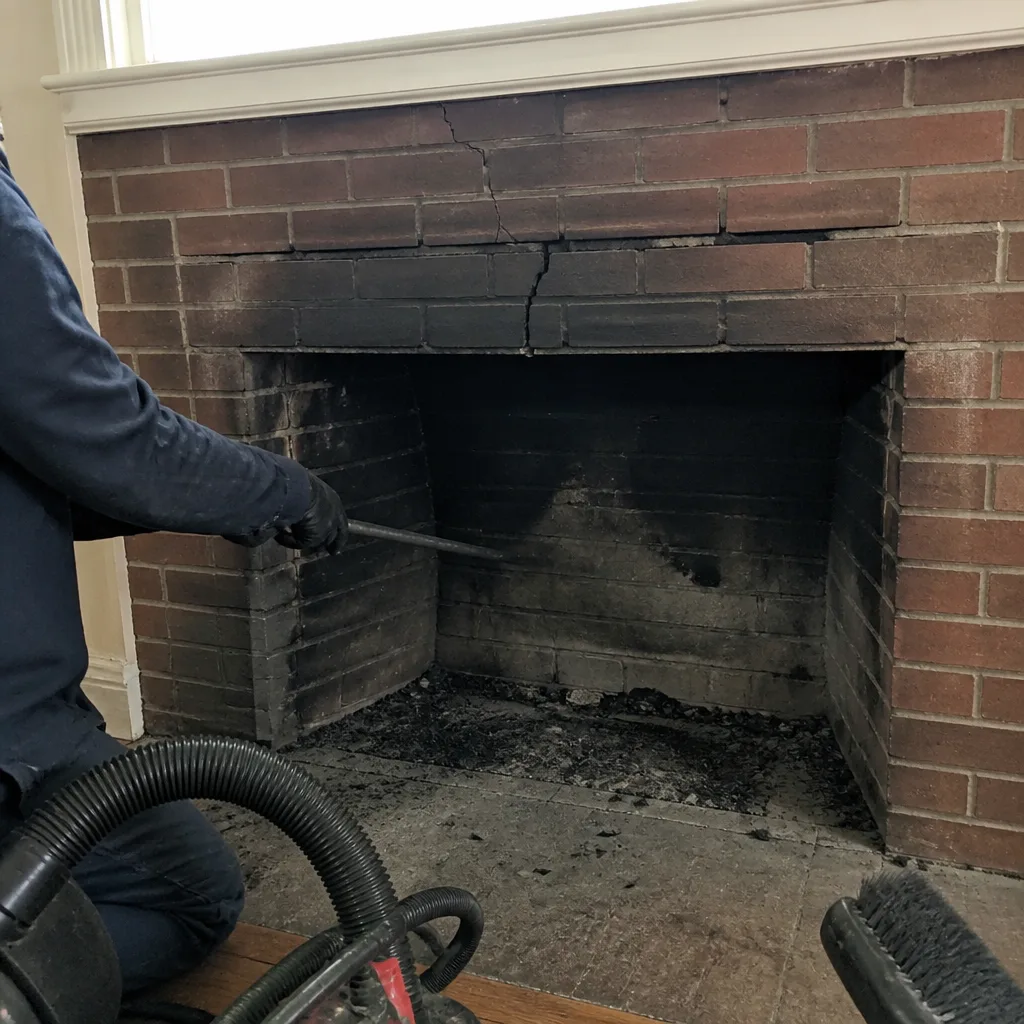 Before
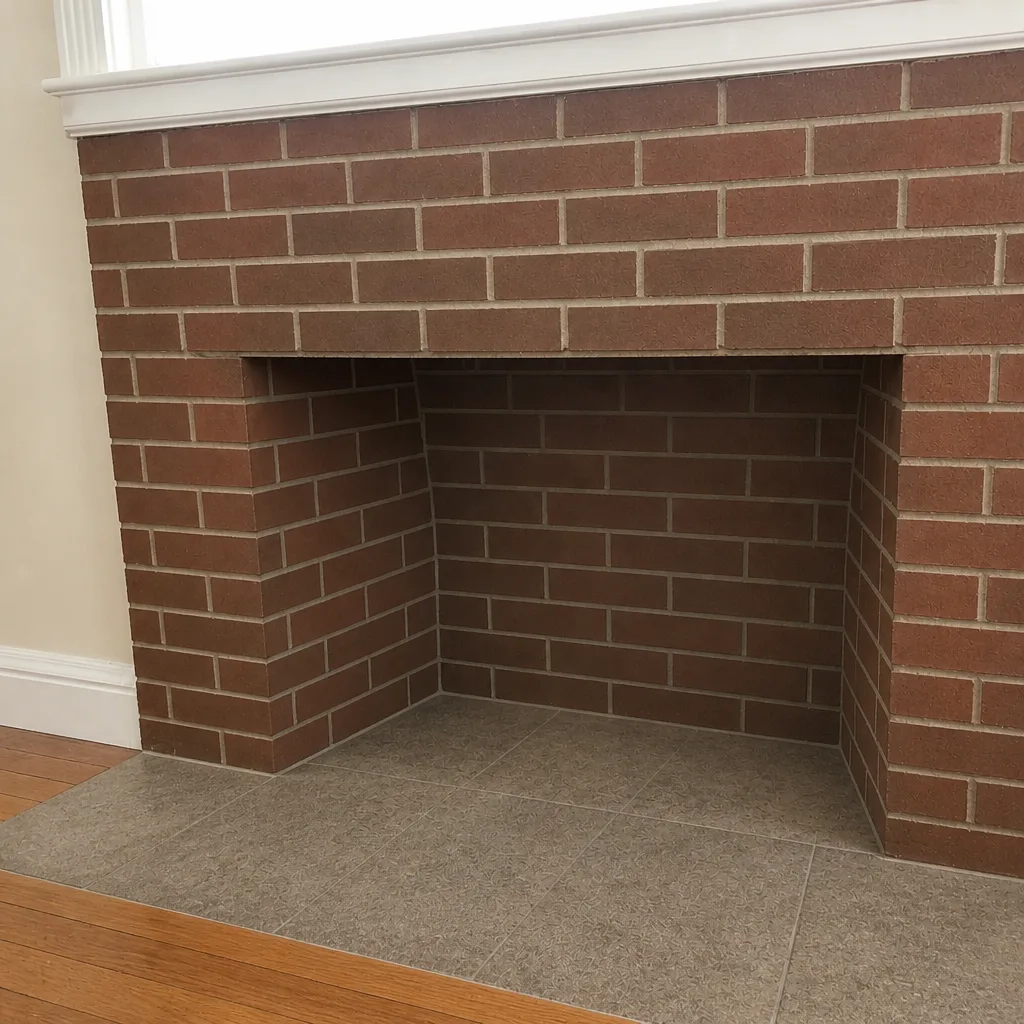 After
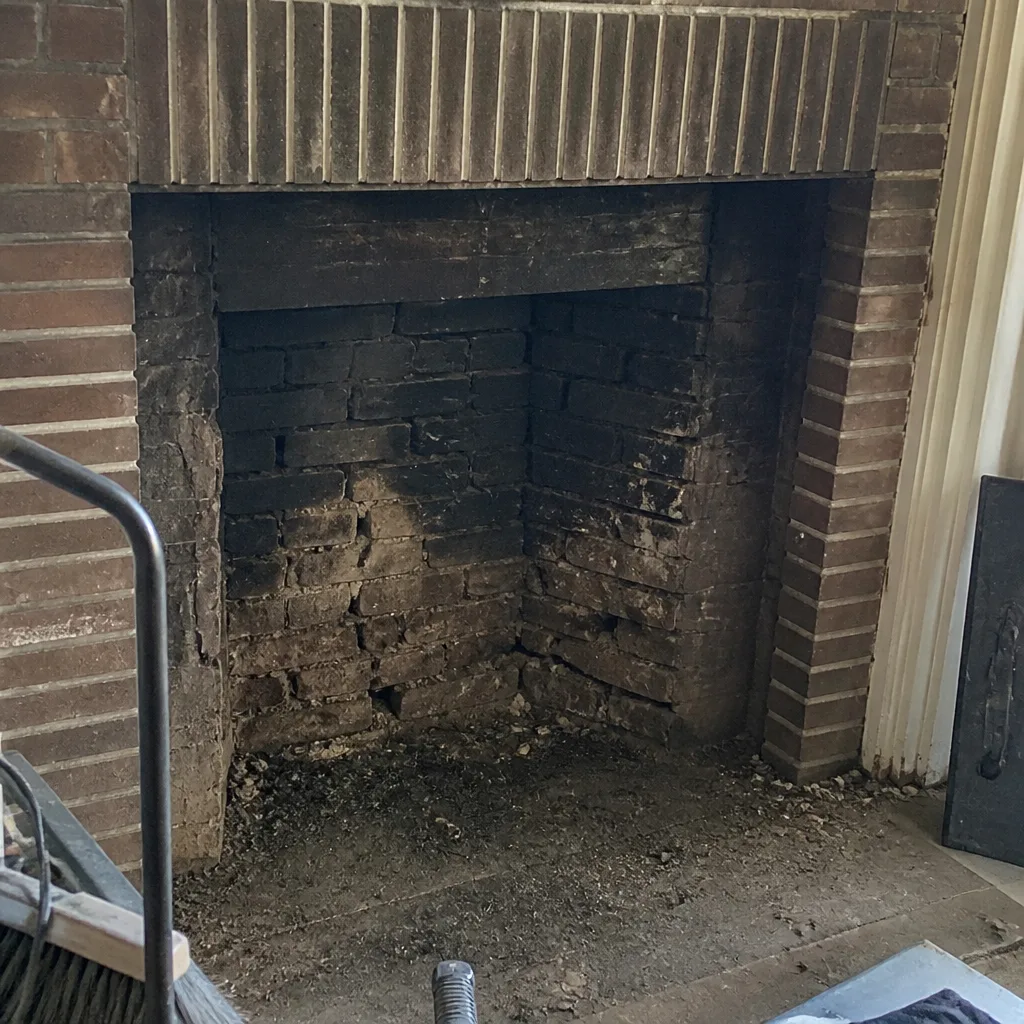 Before
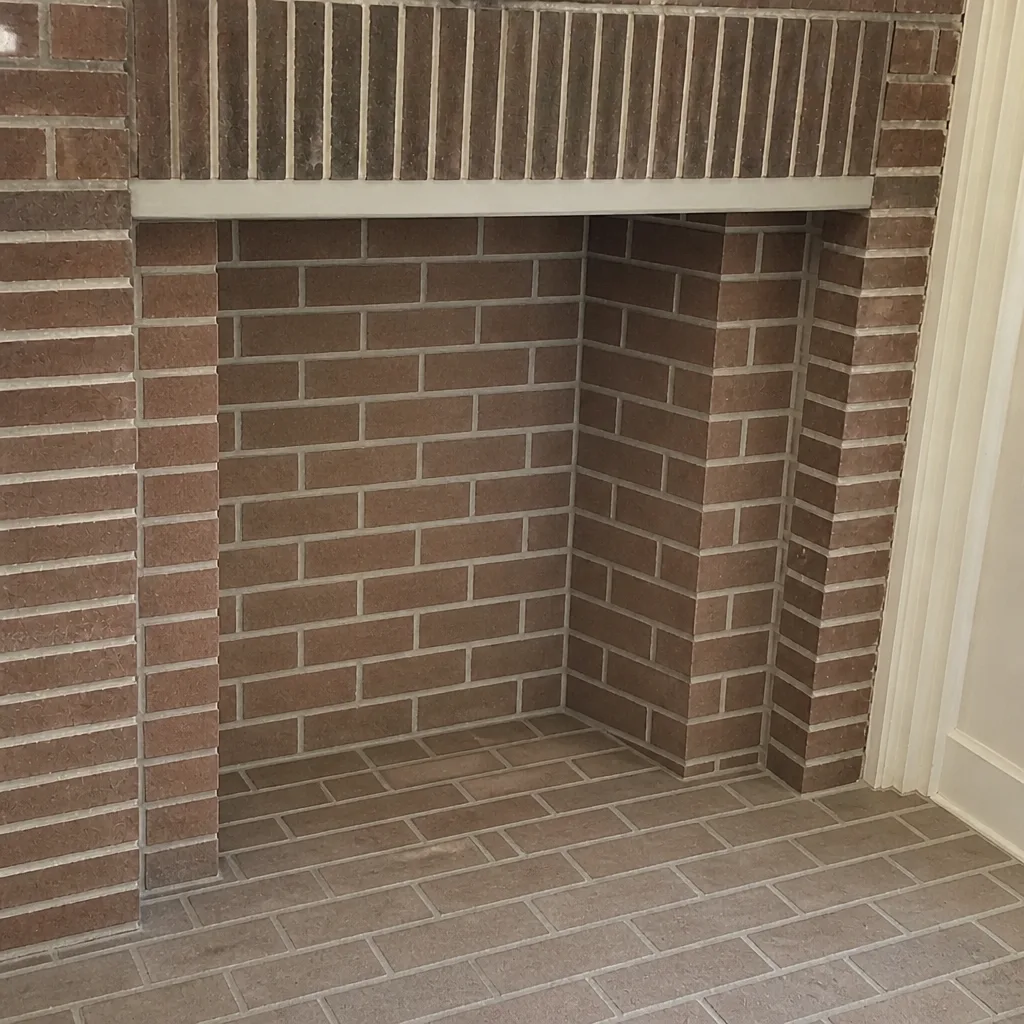 After
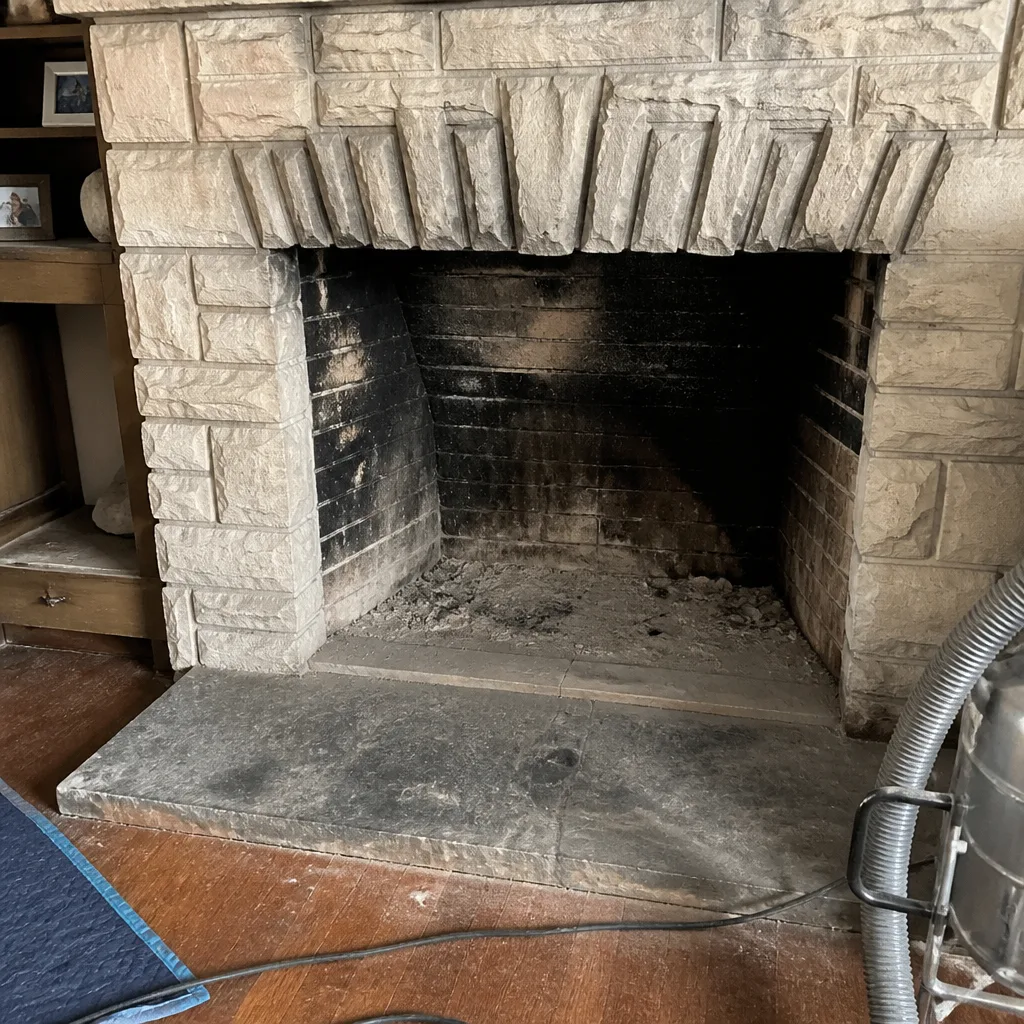 Before
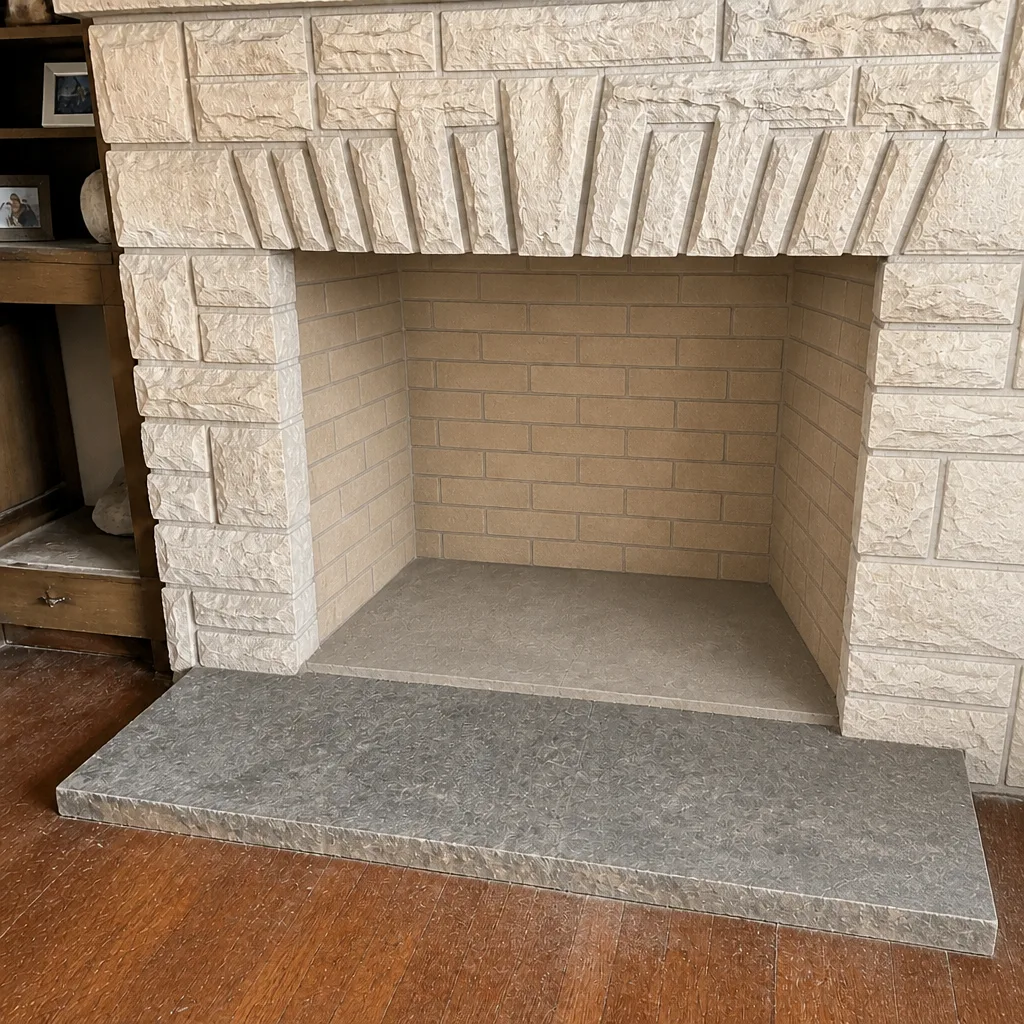 After
When to Call a Professional
Call us when you’re ready for an inspection or a sweep, and call sooner if something is already wrong. The clear signals: smoke backing into the room when a fire is going, a strong creosote smell in the house, visible new cracks or staining on the stack, water inside the firebox, or material spalling off the flue. If you’ve had a chimney fire, the chimney needs an inspection before it’s used again, without exception. And if you’ve received a repair recommendation from an inspector, an insurance company, or another technician and you want a specialist to assess it with the camera and the materials to actually execute the fix – that’s exactly the call. We work with professional-grade product lines including DuraFlex, HeatShield, Gelco, and Olympia Chimney, so the recommendation and the execution are the same conversation. Chimney Sweep North Buffalo offers free estimates in North Buffalo. Call (877) 523-6169. We answer 24/7. Fast dispatch from 7am to 7pm, Sunday through Friday.
Frequently Asked Questions
A standard chimney sweep in the North Buffalo market typically runs in the low-to-mid two hundreds, with the exact figure set by the written estimate for your specific system. A standalone inspection is often priced separately, and repair or liner work is quoted per job after the inspection. Call (877) 523-6169 for an exact quote. The estimate is free.
You need a new liner if the flue has deteriorated to the point where combustion gases can escape into the structure – but you should never take that on faith. Ask to see the camera evidence. A damaged clay-tile flue can sometimes be restored with HeatShield resurfacing instead of a full reline, and a flue that won’t take a rigid liner can often take a DuraFlex flexible liner. If the evidence doesn’t show deterioration, the honest answer is that you don’t need one yet. Call (877) 523-6169 for an inspection. The estimate is free.
Once a year is the baseline for a homeowner burning about a cord of seasoned wood, and that’s a reasonable default for most homes. If you burn three cords or more, or burn green wood, expect a mid-season check as well. Buffalo’s winter burn volume is the deciding variable. Call (877) 523-6169 to book a sweep. The estimate is free.
Creosote keeps building up and eventually becomes the fuel for a chimney fire, and a flue that’s deteriorated can let combustion gases back into the house. Those are the two real risks, and both get worse the longer the sweep is delayed. There’s also the slow damage: a cracked crown lets water in, water freezes through the winter, and by spring the repair is bigger than it would have been. Call (877) 523-6169 to book an inspection before the burn season. The estimate is free.
Late summer is the best time because the flue has finished its wet season and the inspection can catch moisture damage before the first fire, when it’s still easy to fix. Scheduling in August also gives you time for any spring-style repair – crown sealer, liner work, or a resurfacing job – to be completed before heating season. October is the most crowded month for chimney service, and a late-October sweep means the first fires of the year may go into an unassessed flue. Call (877) 523-6169 to schedule. We answer 24/7.
You need a cap if your chimney doesn’t already have one, and the case for it in North Buffalo is strong: an uncapped flue takes in rain, snow, leaves, and animals, and every one of those accelerates the moisture and debris problems this guide walks through. A fitted cap from a dedicated chimney supplier – Gelco and Olympia Chimney are two of the lines we work with – is a small job with an outsized effect on how the flue holds up. Call (877) 523-6169 to book a cap check. The estimate is free.
The Bottom Line
Chimney care in North Buffalo is a four-season loop, not a fall errand. Inspect in late summer before moisture damage gets mistaken for creosote. Check the cap, screen, and damper in fall before first use. Monitor through winter for smoke backing in, creosote odor, and any new cracks on the stack. Handle crown sealer, acid washing, and liner repair in spring, when the system is dry and the fix has months to settle. And set your sweep interval from what you actually burn, not from the calendar. Our technicians have up to 13 years of experience and work in professional-grade product lines so the fix matches the flue. Chimney Sweep North Buffalo is a full-service chimney specialist; call (877) 523-6169 for a free estimate. We answer 24/7. Fast dispatch from 7am to 7pm, Sunday through Friday.
Written by the team at Chimney Sweep North Buffalo.