
Last updated November 25, 2026
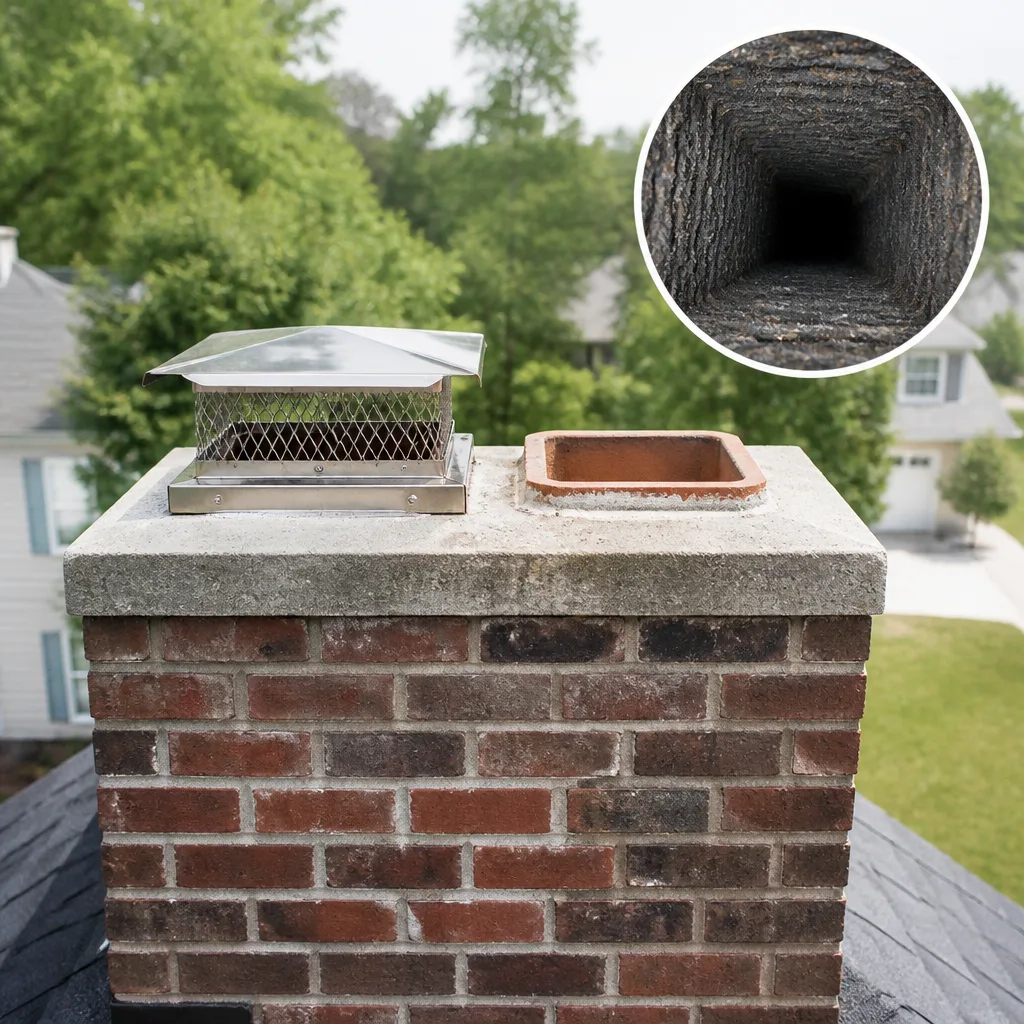 Sweep & inspection
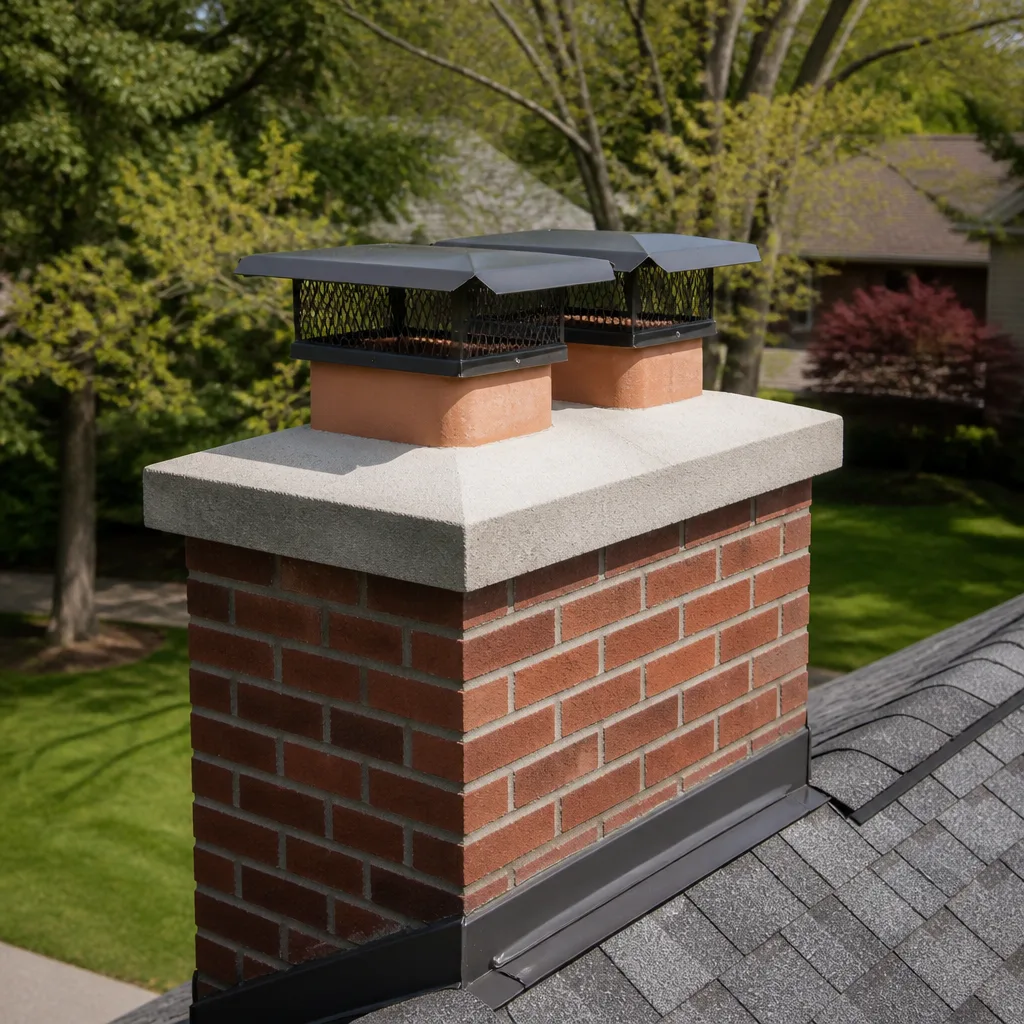 Caps & crowns
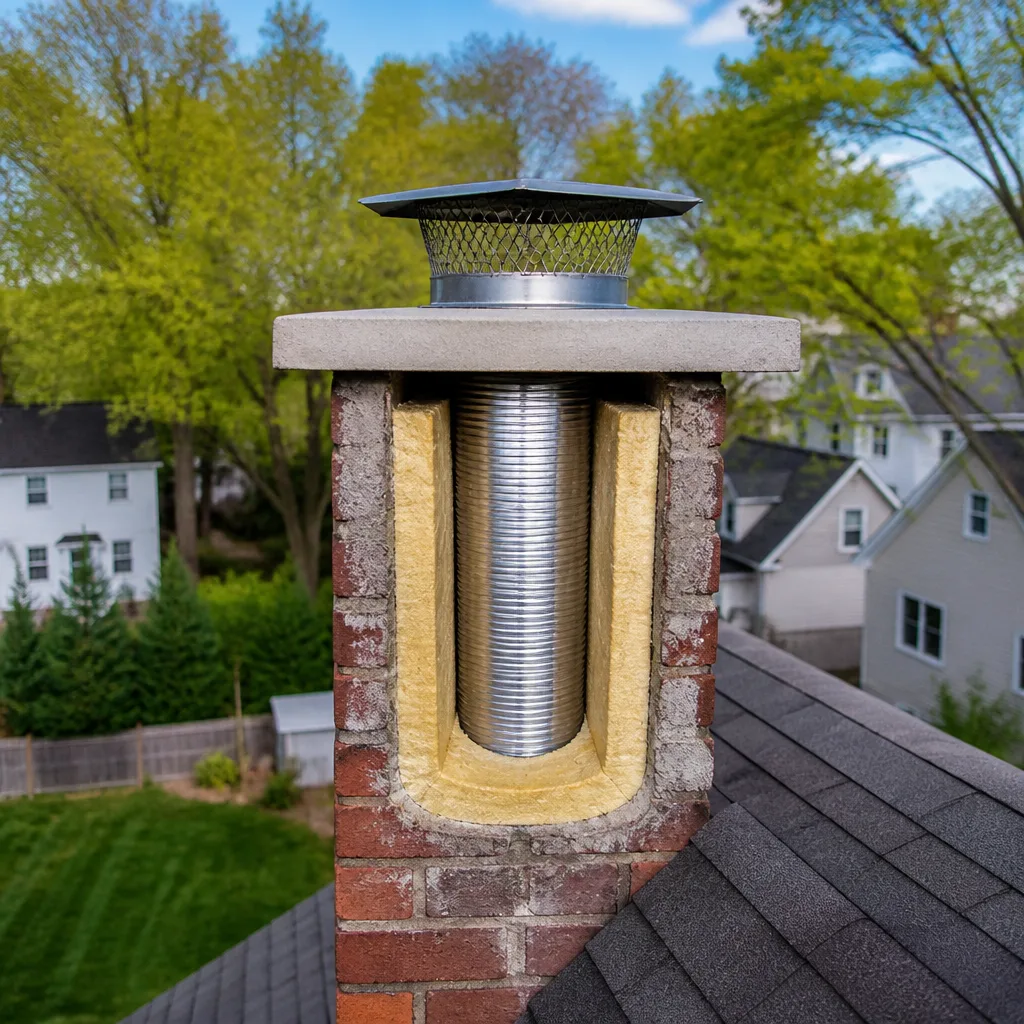 Flue relining
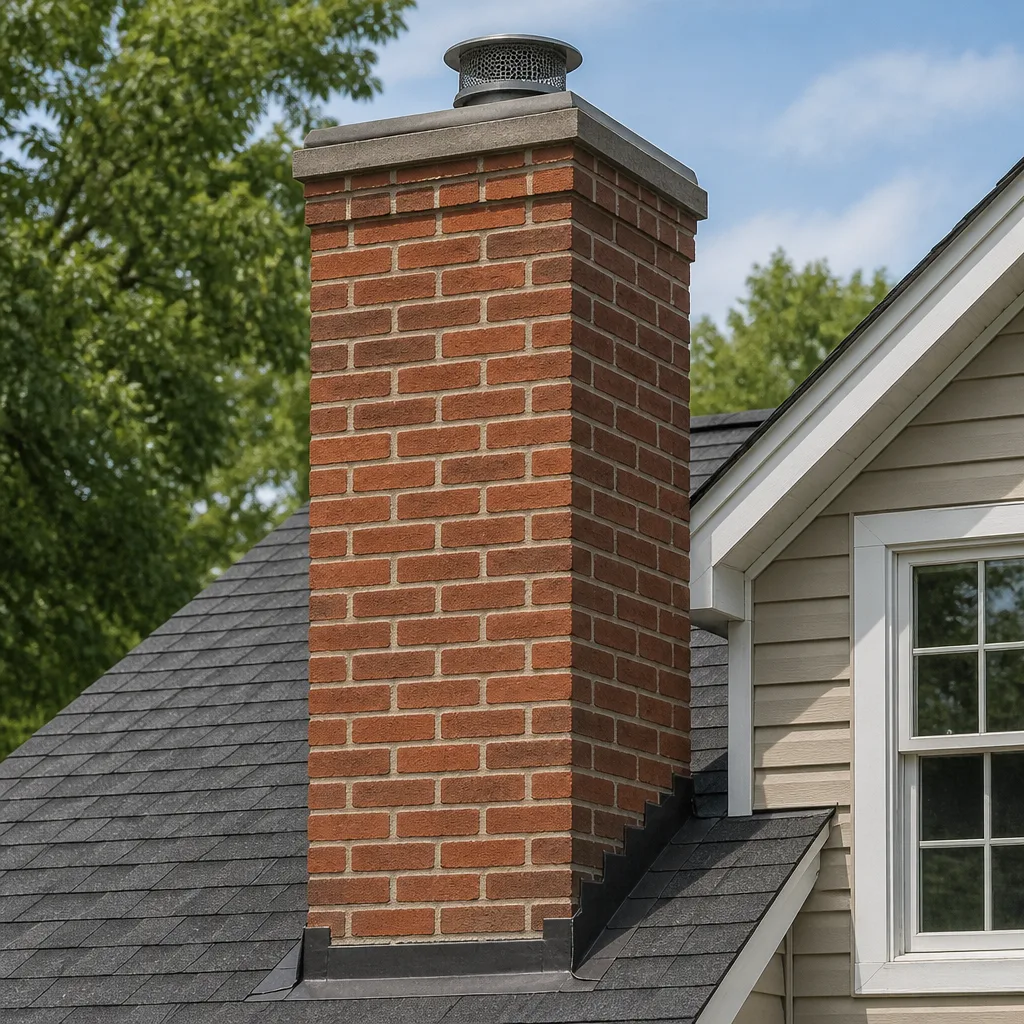 Masonry repair
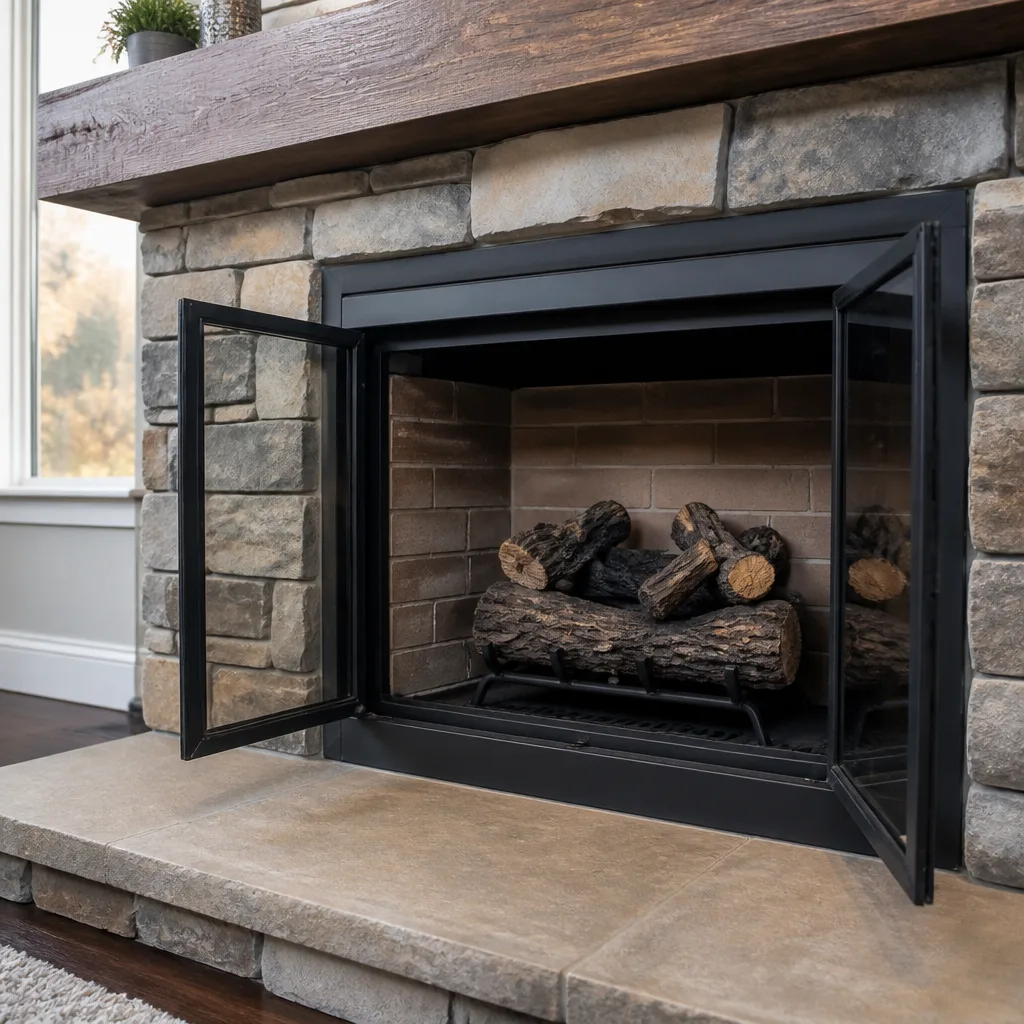 Gas fireplace service
Level 1 sweep and inspection to the NFPA 211 annual standard - flue, crown, cap, and flashing checked and photographed
Chimney sweep logs do not sweep chimneys. They loosen some creosote - which then falls where a brush and vacuum still have to collect it.
DIY vs Professional Chimney Cleaning: The North Buffalo Homeowner’s Decision Guide
A homeowner with a brush kit can clean a chimney the same way someone with nail clippers can perform surgery: the tool exists, but the diagnostic ability doesn’t, and that gap is where the danger lives. Brushing soot off a flue is not hard. Knowing whether the flue you just brushed is lined, cracked, or coated in glazed creosote that brushing will never remove – that’s the part that takes training, a camera, and years of looking at the inside of chimneys. This guide draws an honest line. We’ll tell you which parts of chimney care you can safely handle yourself in North Buffalo, which parts you can’t, what the equipment really costs, and how to think about the decision without anyone scaring you into a service you don’t need.
Quick Answer
DIY chimney cleaning is reasonable for a straight, single-story flue with a modern liner when you’re only removing light, loose soot between professional sweeps – but it cannot substitute for a Level 2 camera inspection, it cannot detect or treat Stage 2 and Stage 3 creosote, and it cannot see liner cracks or gaps that cause chimney fires. For most North Buffalo homes with older clay tile liners, a professional sweep and inspection once a year is the baseline, and DIY brushing is a supplement to that schedule, never a replacement.
Styles & brands we work with
- Sweep & inspection
- Caps & crowns
- Flue relining
- Masonry repair
- Gas fireplace service
Table of Contents
- What DIY Chimney Cleaning Can and Cannot Do
- When DIY Brushing Is a Reasonable Maintenance Task
- Why Brushing Can’t Replace a Camera Inspection
- The Equipment Cost Reality Nobody Mentions
- What You Can Safely Do Yourself
- Creosote Stages and Why They Matter
- The Insurance and Liability Angle
- How North Buffalo Weather and Housing Shape the Decision
What DIY Chimney Cleaning Can and Cannot Do
Soot is soft. Creosote is not. A hand brush on a fiberglass rod will knock loose, powdery soot off the walls of a straight flue in maybe half an hour of work. That’s the whole of what DIY cleaning accomplishes – and it’s real, but it’s narrow. The moment the deposit is sticky, flaky, or glazed, a brush slides over it without removing anything meaningful. And the moment the flue has a bend, an offset, or a liner that isn’t perfectly round, the brush misses swaths of wall entirely.
Here’s what a homeowner brush kit does well:
- Removes light, dry soot from an accessible straight flue
- Clears ash and debris from the firebox floor
- Keeps a clean flue between professional visits
- Lets you spot obvious problems like a fallen cap or a visible crack at the top of the firebox
Here’s what it can’t do, no matter how carefully you work:
- Detect cracks, gaps, or spalling in a clay tile liner
- Identify which stage of creosote is coating the flue – and each stage needs a different treatment
- Check the smoke chamber, damper assembly, or the hidden flue sections above an offset
- Verify that the liner is continuous from firebox to cap
- Document the condition of the flue in a way an insurance company will accept after a fire
In our experience across North Buffalo, the flues that cause trouble are rarely the ones a homeowner can reach with a brush. They’re the ones behind a clay tile that cracked through a freeze-thaw winter, or above a smoke shelf nobody has looked at since the house was built. A brush can’t tell you any of that. A camera can.
When DIY Brushing Is a Reasonable Maintenance Task
There are specific conditions where we’d tell a homeowner to go ahead and brush between professional sweeps. If the flue hits all four of these, DIY brushing is a reasonable supplement:
- The flue is straight and vertical. No offsets, no bends, no elbows between the firebox and the cap.
- The chimney is single-story. You’re not working from a roof that requires fall protection, and the brush reach is manageable from the damper.
- You have a modern, continuous liner. A stainless liner (like the DuraFlex systems we install) or a well-maintained tile liner that has already been verified by a camera inspection.
- You’re brushing only to remove light soot between annual professional visits. Not to diagnose, replace, or defer the annual sweep.
If your fireplace has a gas insert with accessible components and a dedicated venting path, the same logic applies: light maintenance on the accessible parts is fine, but the vent path itself still needs to be checked by someone with the right tools. Gas appliances produce less creosote than wood, but they still produce moisture and corrosion inside the flue, and those are invisible without a camera.
A word on older North Buffalo housing stock. The clay tile liners in homes built between the 1920s and the 1960s – the bulk of the housing in neighborhoods like Parkside, North Park, and Central Park – were not built to the same tolerances as today’s liners. They were designed for open fireplaces running low, cool fires. Run a modern stove or insert through them and you’ll get more heat, more expansion and contraction, and more opportunity for the mortar joints to open up. That’s not a reason to skip DIY brushing; it’s a reason not to treat DIY brushing as an inspection.
Why Brushing Can’t Replace a Camera Inspection
Pull out a smartphone and shine its flashlight up a firebox. You’ll see maybe the first four feet of flue. Everything above that – the smoke chamber, the smoke shelf, the flue above the first offset, the top few feet near the crown – stays invisible. That’s not a limitation of DIY; it’s a limitation of the human eye. A level 2 inspection uses a chimney camera on a rod to see every inch of the flue from firebox to cap, and it’s the only way to know what’s actually going on in there.
What we find when we run cameras in older North Buffalo homes:
- Hairline cracks in clay tiles from decades of freeze-thaw cycling, wide enough to let heat through to the framing
- Missing or deteriorated mortar joints between tile sections, which open the door to carbon monoxide migration into the house
- Offset clay tiles where a section has shifted, creating a ledge where creosote accumulates and cannot be brushed off
- Gaps at the top of the smoke chamber where the flue tile meets the crown, often hidden behind masonry
- Obstructions – birds’ nests, deteriorated tile fragments, or debris from a chimney cap that failed over the winter
Every one of these can be invisible from the firebox. Every one of them can contribute to a chimney fire or a carbon monoxide problem. And every one of them is something a brush strokes past without noticing.
This is why we treat chimney sweep and inspection as distinct services. The sweep clears what’s there. The inspection tells you whether the flue is still doing its job. We offer standalone inspections specifically so a homeowner can get the camera down the flue without committing to any repair work. Inspect first, recommend second – that’s the order that makes sense.
The Equipment Cost Reality Nobody Mentions
The math on DIY chimney cleaning changes once you price the tools that actually do the job. A homeowner poly brush kit from a hardware store runs $60 to $150. A professional-grade rotary system – the spinning head, the rods, the drill motor, and the shop vac that can pull the dust out of your living room – runs $800 to $2,000 depending on the setup. The rotary system is what professional sweeps use because a spinning head follows the flue contour, scours stubborn deposits, and knocks Stage 2 creosote down in a way a hand brush never will.
Here’s the honest cost comparison for a typical North Buffalo homeowner:
- Poly brush kit: $60 to $150. Removes light soot. Won’t touch glazed creosote. Gives you no diagnostic information.
- Rotary system: $800 to $2,000. Real cleaning capability, but the cost pays for many years of professional sweeps before it breaks even.
- Chimney camera and rods: $300 to $800 for a basic rig. Seeing the flue is a different skill than cleaning it, and the camera tells you nothing unless you know what a cracked tile or an offset joint looks like.
- Respiratory protection, drop cloths, and cleanup: $50 to $150. Soot gets everywhere if you’re not set up for it.
Add that up and the “save money doing it yourself” argument starts to look like the cost of a professional sweep each year for a decade. The poly brush kit is a fine supplement between sweeps. It’s not a replacement for the annual visit.
When a flue does need work, the material matters as much as the labor. The chimney repair work we do uses HeatShield for resurfacing deteriorated liners – a system that restores the flue without a full reline – and DuraFlex flexible liners where a rigid liner won’t fit. Both come from the professional product lines sweeps use, not hardware-store substitutes.
What You Can Safely Do Yourself
Here’s the good news: several parts of chimney care really are DIY-friendly, and we’d rather you do them than not. The line to keep straight is that these tasks are maintenance, not inspection, and none of them involve getting on the roof or reaching into a flue you can’t see the full length of.
- Firebox cleaning. Wait at least 24 hours after the last fire. Scoop out ash into a metal container with a lid; never a plastic bucket or paper bag. Store the container outside, away from the house, until you’re ready to dispose of it.
- Ash removal from the firebox and ash pit. Same protocol. Brick and mortar appreciate being cleaned of acidic ash, and a clean firebox is easier to inspect visually.
- Exterior visual checks from the ground. Use binoculars. Look at the cap, the crown, and the visible masonry. Anything loose, cracked, or missing is a call-for-service item.
- Damper and smoke shelf inspection from inside. Open the damper, look up with a flashlight, note anything visibly wrong. A flashlight won’t reach the upper flue, but it will catch a fallen damper plate or an obvious obstruction.
- Cap and screen checks from the ground. A missing cap or a torn spark screen is a simple fix when caught early.
What you should not do yourself: climb onto a steep-pitch roof, work from a ladder you’re not trained to use, or reach an arm into a flue to “feel around.” The chimney cap & crown work a professional handles is a good example of a job that looks simple from the ground and turns dangerous the moment you’re twelve feet up on a slate roof in a Buffalo wind. The cap and crown materials we install come from Gelco, Olympia Chimney, and Famco – dedicated chimney suppliers, not general hardware lines – because a cap is a lifetime part if it’s the right one.
A caveat that matters more than anything else on this list: any time the work involves the flue itself, high heat, or reaching into a place you can’t fully see, that’s a stop signal. Chimney work has real injury risk – burns, falls, respiratory damage from soot – and the professional line exists for a reason.
Creosote Stages and Why They Matter
Creosote is the residue of incomplete combustion, and it builds up in three distinct forms. Each one behaves differently, each one has a different fire risk, and only the first is something a homeowner brush can reasonably address.
- Stage 1: Sooty, flaky, and soft. Removable with a brush. This is what a DIY poly brush can handle in a straight flue. It’s the least dangerous stage but still reduces draft and efficiency.
- Stage 2: Sticky and gummy. Deposited when the fire burns cool and the creosote condenses on the flue wall before it can escape. A brush slides over it. It requires a rotary sweep head or a chemical treatment – and if it’s left, it will harden.
- Stage 3: Glazed and hard. The most dangerous. It looks like black glass or hardened tar. It ignites at lower temperatures than the other stages and burns hot enough to crack a clay liner and set fire to the wood framing behind it. Glazed creosote requires a rotary system or a chemical sweep, sometimes both, and it cannot be removed by a homeowner brush.
You can’t tell which stage you have from the firebox. The earliest forms of Stage 2 often look like Stage 1 from the ground. That’s why the honest answer to “do I need a sweep?” is usually “it depends what’s actually in there, and the only way to know is to look with a camera.”
Burning dry, seasoned wood reduces creosote formation. Burning wet wood, or burning low and smoldering to extend a fire overnight, accelerates it. The habits matter as much as the sweep frequency.
The Insurance and Liability Angle
If a chimney fire happens and it’s traced to a flue that hadn’t been professionally swept, an insurance adjuster has a legitimate question to ask: was this a maintenance failure? Most homeowner policies cover sudden and accidental chimney fires. But they can deny a claim or reduce a payout if the loss is attributed to neglected maintenance, and a homeowner who can’t produce a sweep or inspection record is in a weak position to argue otherwise.
What actually protects a homeowner:
- A dated record of a professional sweep with a written report
- A Level 2 camera inspection documenting the state of the flue at the time
- Photos of the condition at the time of inspection
- An invoice that names the work performed and the materials used
A DIY brush kit produces none of that. It’s not a matter of a homeowner being unable to clean a chimney; it’s a matter of a homeowner being unable to document what condition the flue was in when they did. If a fire happens, “I swept it myself last spring” is not evidence. A written report from a sweep is.
There’s a second layer here. The professional sweeps we work with are licensed and insured as their state requires. If a sweep damages a liner or a cap during the work, that’s covered. If a homeowner drops a brush head down the flue and cracks a tile, that’s a repair the homeowner pays for.
How North Buffalo Weather and Housing Shape the Decision
North Buffalo winters are hard on chimneys. Freeze-thaw cycling from November through March works moisture into masonry, expands it, and opens hairline cracks in the crown, the flue tile, and the mortar joints between them. Then spring arrives, water gets in through those cracks, and the freeze the next winter pushes them wider. A crown that hasn’t been checked since fall is a crown that may not make it through another Buffalo winter.
The other Buffalo-specific reality is the housing stock. Neighborhoods like Parkside, North Park, Central Park, and the blocks around Hertel are full of homes with original clay tile liners, some with interior masonry chimneys, some with exterior ones. The exterior masonry chimneys are the ones we see most problems in – they take the direct wind, the direct snow, and the direct freeze, and they don’t have a heated interior wall to moderate the temperature swings. Same for the brick chimneys on the older homes near Delaware Park. If you’re in one of these houses, the camera inspection is not optional pad work. It’s the thing that tells you whether your liner is still doing its job.
Here’s what that means for the DIY decision in North Buffalo specifically:
- A brush between professional sweeps is reasonable for a modern liner in a straight flue
- A brush is not reasonable as an annual replacement for a camera inspection in a clay-tile-lined North Buffalo home
- Burning season in North Buffalo runs long – late October into April in a cool year – which means more creosote accumulates per season than in a milder climate
- The first sweep of the season should be scheduled before the first fire, not after
We answer 24/7 on the phone line for scheduling questions. Fast dispatch from 7am to 7pm, Sunday through Friday. Saturday is closed.
Common Mistakes to Avoid
- Treating DIY brushing as an inspection. Cleaning the soot off a flue doesn’t tell you anything about the condition of the liner underneath. Those are two different jobs, and only one of them requires a camera.
- Climbing onto a snow-covered or icy roof. North Buffalo winters make a roof reachable only when the weather is right and the pitch is manageable. The cap and crown checks most homeowners can do from the ground with binoculars cover the same territory without the fall risk.
- Using a plastic bucket or paper bag for hot ash. Ash stays hot for days. A metal container with a lid, stored outside, is the only safe option.
- Assuming a hard, glossy coating is “just soot.” Stage 3 glazed creosote looks like black glass. A brush won’t touch it, and it’s the most dangerous stage. If you scrape a flue wall and find something hard and shiny, stop and call a professional.
- Skipping the sweep because the fire burns clean. A hot fire produces less creosote than a smoldering one, but it still produces some. Annual sweeps exist because creosote accumulates over years, not over one fire.
- Not documenting the work. If a fire happens, an insurance claim rests on the record. DIY cleaning leaves no record.
- Burning wet or “seasoned” wood that hasn’t actually seasoned. Wood that hisses or steams at the ends is too wet. It burns cool, produces more creosote, and doesn’t heat the house as well as dry wood.
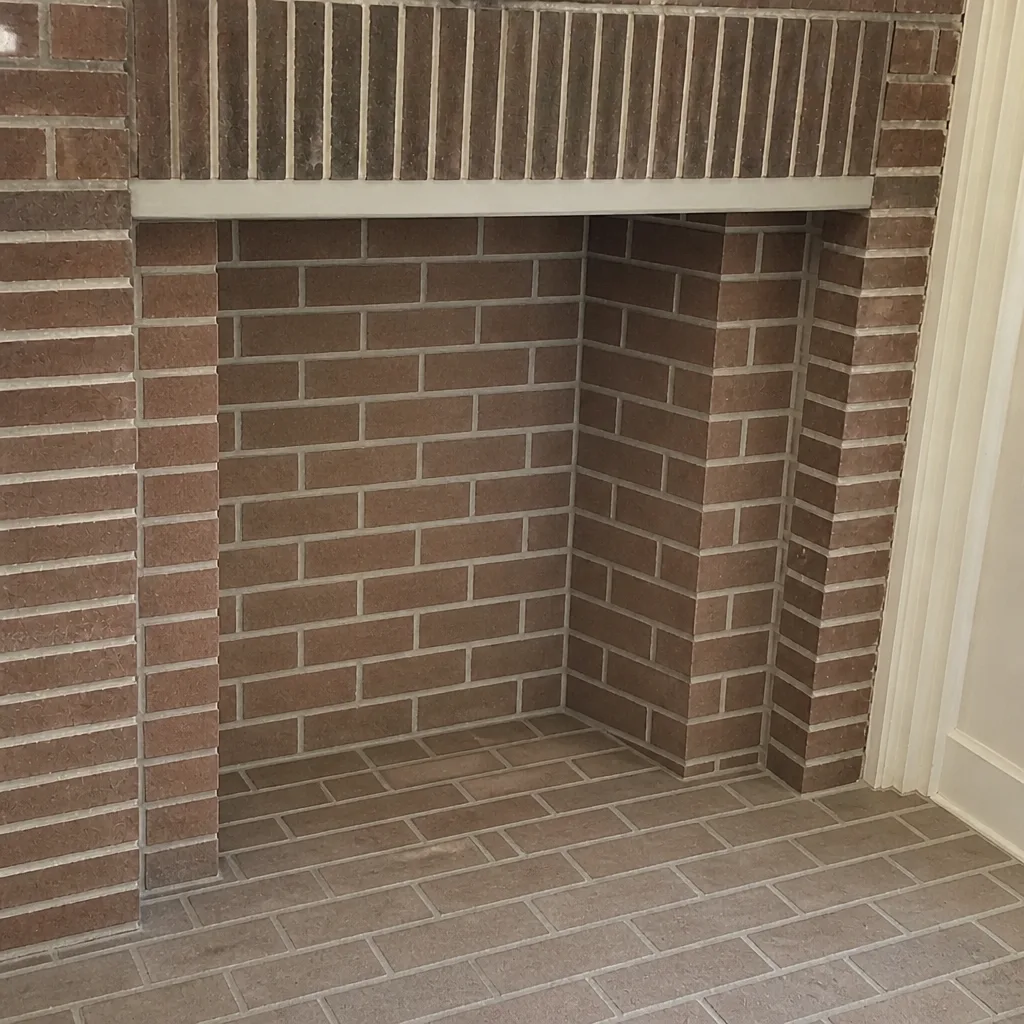
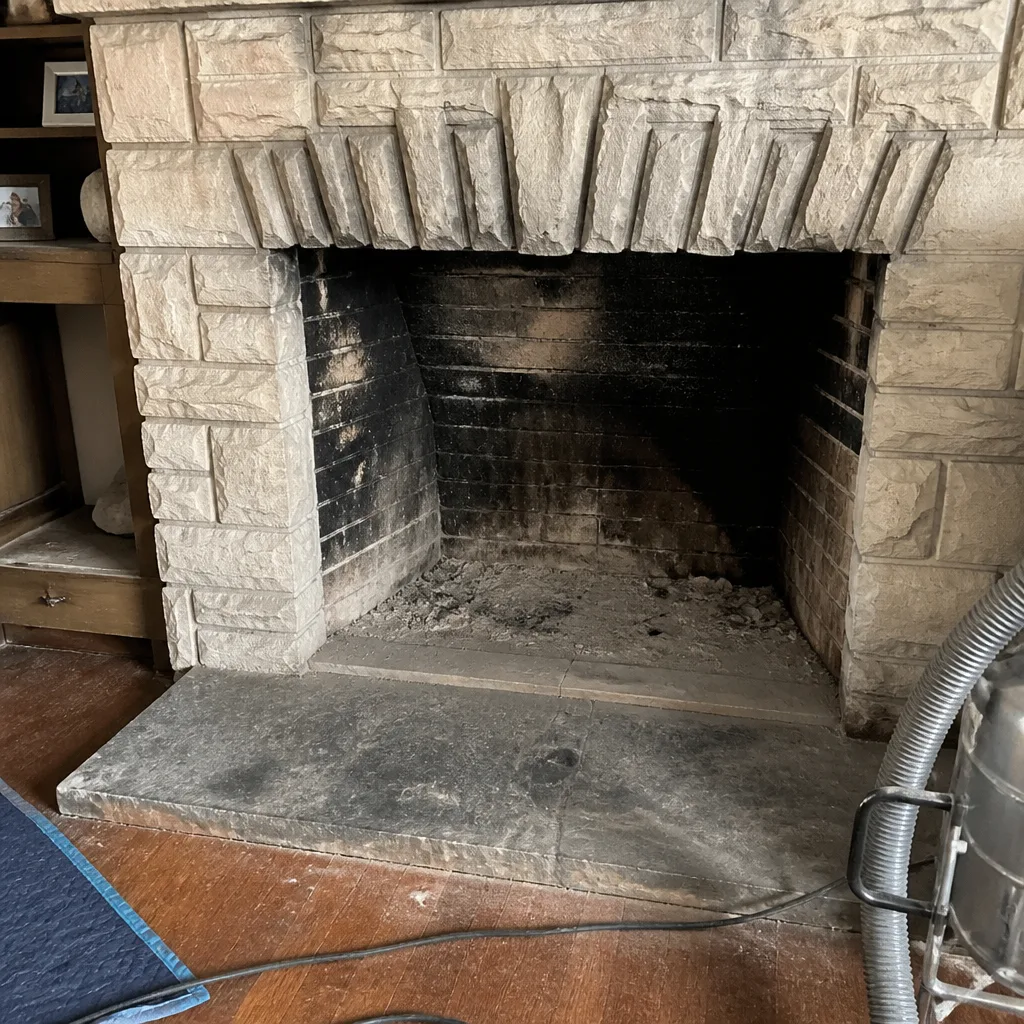
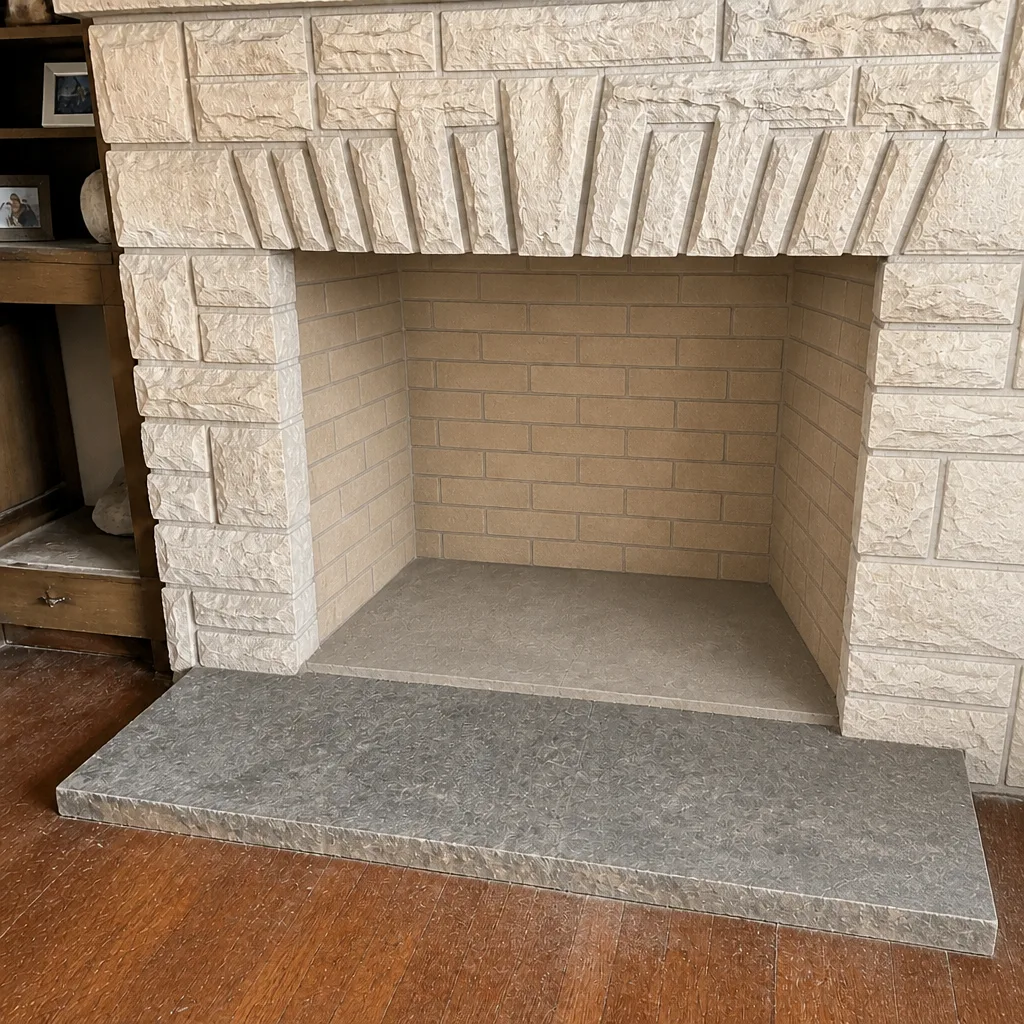
See the difference
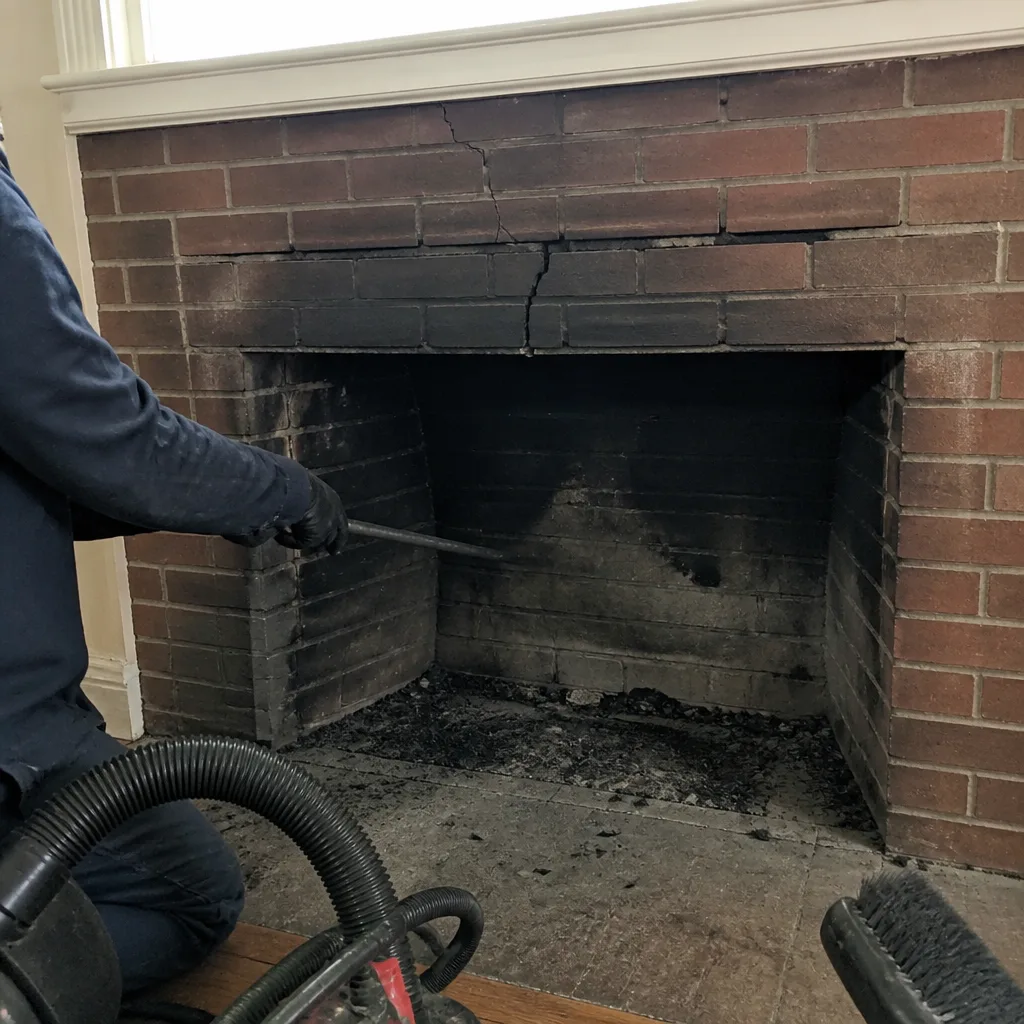 Before
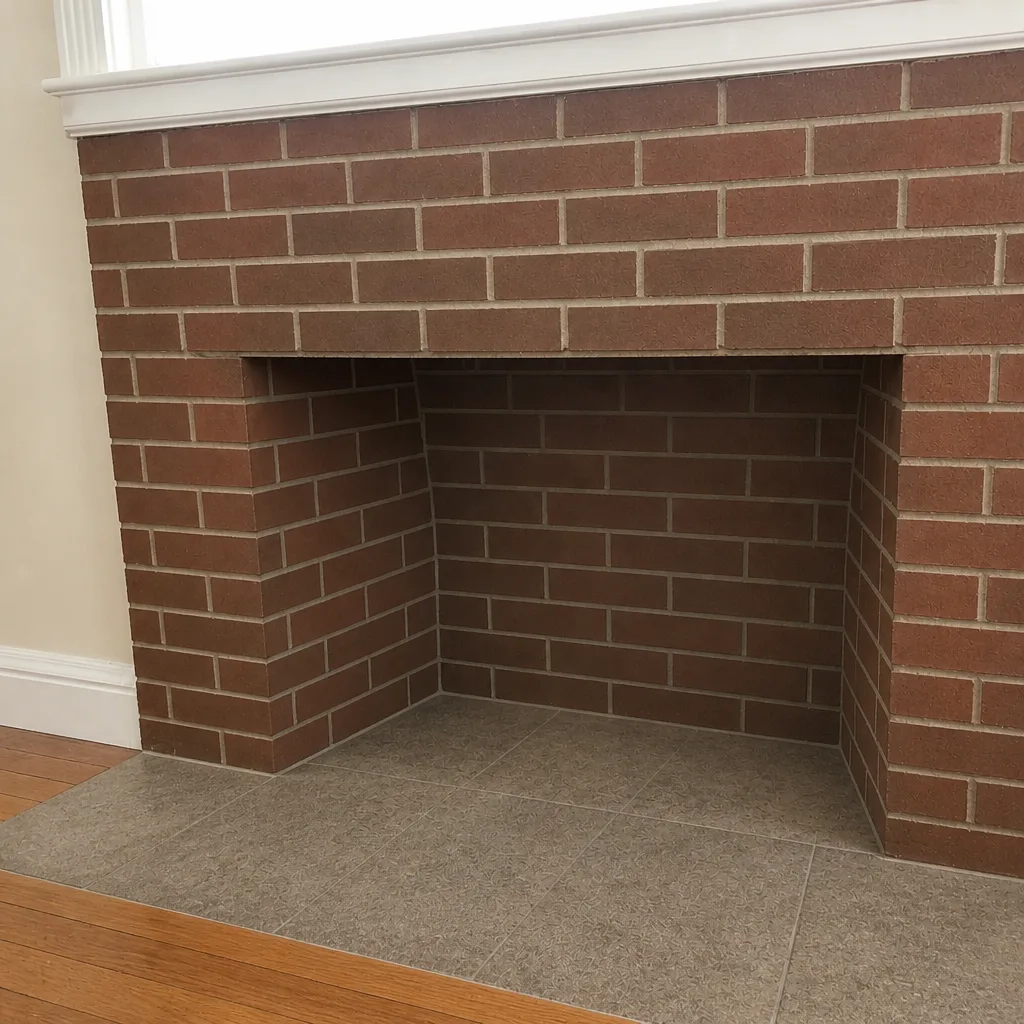 After
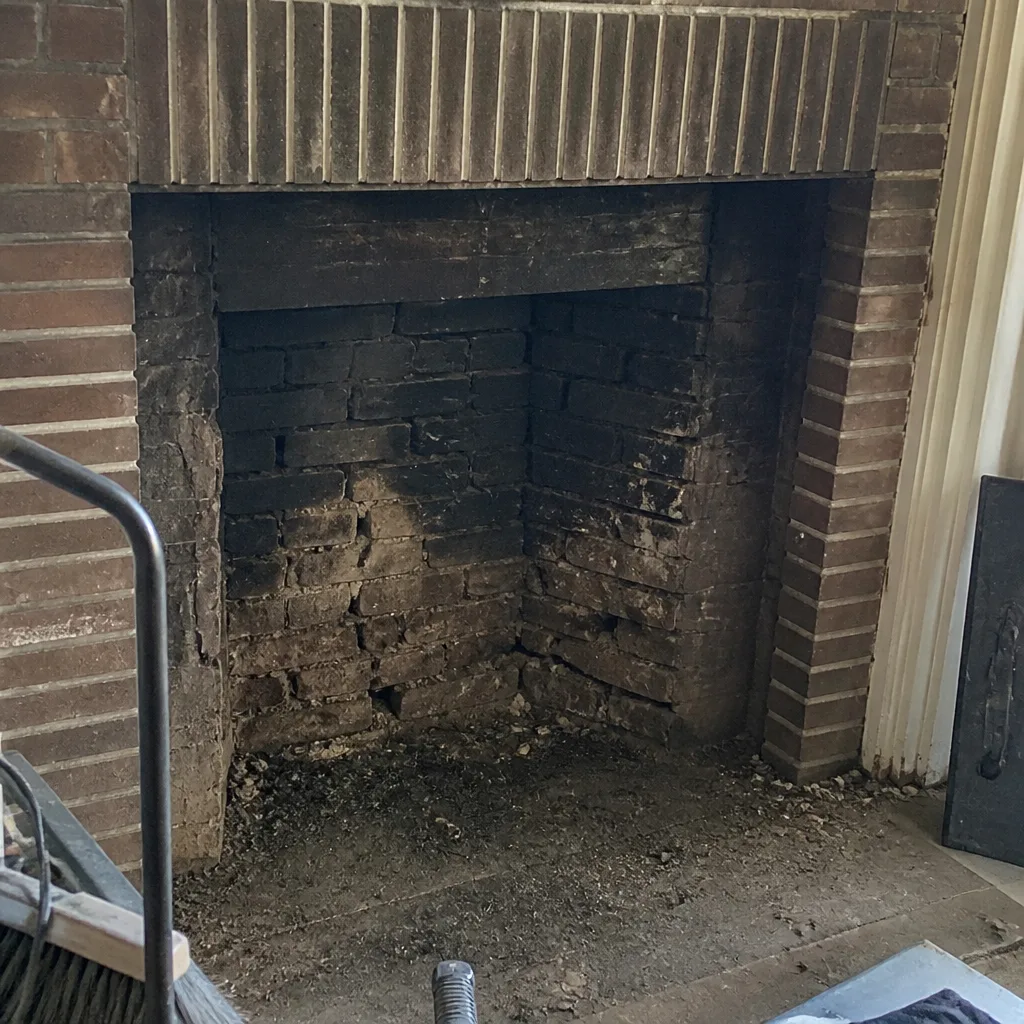 Before
 After
 Before
 After
When to Call a Professional
Call a professional for anything that involves the flue beyond the first few feet, anything that requires getting on the roof, and any time you see or smell something that worries you. Specifically: a fire that smoked back into the room, a smell of creosote in warm weather, a visible crack or loose masonry on the exterior, a cap that’s missing or damaged, a liner that’s never been camera-inspected in an older home, or any flue that’s been burning for a season without a sweep. Chimney Sweep North Buffalo offers free estimates in North Buffalo – call (877) 523-6169. We answer 24/7. Fast dispatch from 7am to 7pm, Sunday through Friday.
The sweeps and technicians we work with have up to 13 years of experience, and they use the same professional product lines the industry uses – HeatShield for liner resurfacing, DuraFlex for flexible liners, and Gelco, Olympia Chimney, Famco, and Copperfield for cap, crown, and accessory work. When a repair is genuinely needed, you see the camera footage, you see the written estimate, and you decide.
Frequently Asked Questions
You can clean light soot out of a straight, single-story flue with a modern liner, and that’s a reasonable supplement between professional sweeps. You cannot safely or reliably inspect the flue, detect creosote stages, or document the work for insurance purposes. Most North Buffalo homeowners with older clay tile liners should pair DIY soot removal with an annual professional sweep and camera inspection.
A standard sweep typically runs $150 to $300 depending on the flue configuration and how much creosote is present, with inspections and any repair work quoted separately after the camera comes out. The written estimate sets the final price. Call (877) 523-6169 for an exact quote – estimates are free.
Once a year is the baseline for a wood-burning fireplace in a North Buffalo home, and the sweep should happen before the first fire of the season. Homes burning more than a cord of wood a year, or burning green wood, may need more frequent sweeps. Gas inserts need an annual inspection even though creosote is minimal.
Creosote builds up, the flue’s draft degrades, and the fire risk rises – especially once the deposit reaches Stage 2 or Stage 3. The other thing that happens is the camera inspection never gets done, which means a cracked liner or an offset joint goes undetected for another year. Call (877) 523-6169 to get on the schedule before burning season.
Yes, if you want to know the condition of your liner. A brush can’t see cracks, gaps, or offset tiles. A Level 2 camera inspection is the only way to know whether your flue is still structurally sound. The inspection is offered as a standalone service – you can book it without committing to any repair work.
A professional sweep uses a rotary brush system or a hand brush sized to the flue, plus a HEPA shop vac to contain dust, and finishes with a visual inspection of the firebox, damper, and visible flue. The work is done through the firebox, not on the roof, unless a cap or crown check is needed. If anything is found that needs repair, the recommendation comes with photos and a written estimate.
The Bottom Line
DIY chimney brushing has a place: light soot removal between professional sweeps, in a straight flue with a modern liner, plus the firebox and ash maintenance any homeowner can safely do. What DIY can’t do is inspect the liner, identify creosote stages, or document the condition of the flue. The equipment math is unkind to DIY – a rotary system runs $800 to $2,000 – and the insurance angle is worse, because a chimney fire in a self-swept flue without a written record is a hard claim to defend. For most North Buffalo homes, the right answer is a professional sweep and camera inspection every year, a brush between visits, and direct knowledge of your own flue. If you’d rather not brush your own, or you want a second opinion on a repair recommendation you’ve received elsewhere, that’s exactly what we do. Full-service chimney care, professional product lines, and inspection before recommendation – that’s the whole of it.
Call (877) 523-6169. We answer 24/7. Fast dispatch from 7am to 7pm, Sunday through Friday.
Written by the team at Chimney Sweep North Buffalo.